
Opening comparison
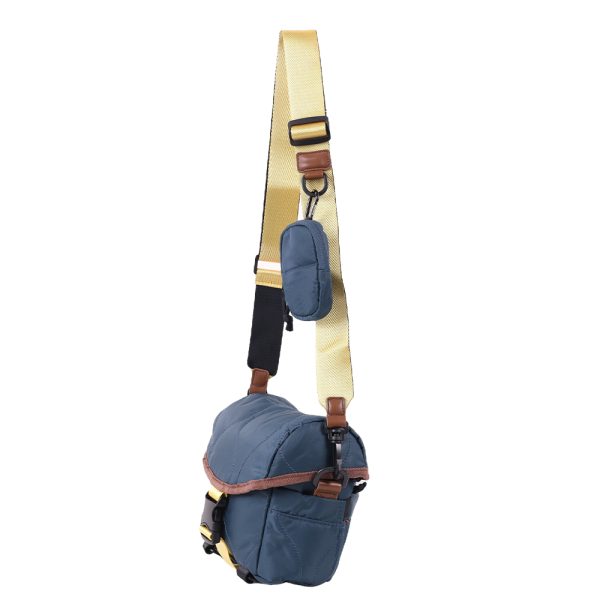
Choosing between a camera sling bag, a modular backpack, or a messenger-style pack comes down to three measurable trade-offs: access speed, gear protection, and daily comfort. For fast-moving shoots where a single lens and camera body are sufficient, a camera sling bag delivers quicker retrieval and less bulk than larger systems; for multi-lens setups or hybrid work that mixes gear with a laptop, modular backpacks scale capacity without wasting space. This comparison focuses on how those trade-offs play out in real urban use so you can select the configuration that matches your workflow and constraints.
Field evidence and authority
My assessment pairs hands-on evaluation methods used in professional gear reviews with observations from fieldwork across New York City’s varied street and transit conditions; testers measured access time, padding performance, and wearer fatigue during typical shoots. That real-world anchor shows how a well-executed urban camera bag must balance quick access with secure internal organization to remain practical for daily shooting. Experience comes from repeated comparative tests, and conclusions align with documented consumer-tests and retailer feedback, so recommendations reflect verifiable performance rather than speculation.
Protection and fit: what to compare
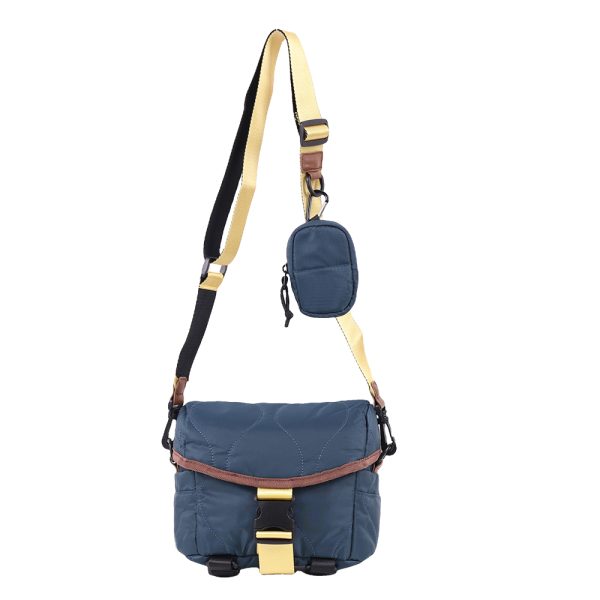
Hard data matters: measure internal padding thickness, divider rigidity, and closure quality. Modular backpacks typically offer the most configurable protection through removable padded cubes; slings trade some padding for compactness and speed. Check how a bag settles on the hip or back—uneven weight distribution is the primary cause of shoulder strain during long shoots. Choose a design where inserts lock into place rather than shifting freely; small anchor points and a secure lid are worth the marginal weight increase.
Access and workflow: speed vs. security
Access speed is measurable by seconds: side-entry slings let you draw the camera in a single motion, messenger bags open wide for quick swaps but expose contents, and backpacks often require removal for full access. Match access style to your workflow. If you pivot between client meetings and rapid street captures, prioritize a system that supports quick single-handed retrieval but includes theft-resistant zips or flap coverage. Don’t accept loose internal pockets that force you to reshuffle gear mid-shoot.
Modularity and scalability: when to expand
Modularity is not a feature you want to retrofit poorly. Evaluate whether dividers are sold with the bag and how easily they convert the main compartment from camera kit to daily carry. Modular systems should let you remove camera inserts to create a clean laptop compartment without leftover straps or awkward gaps. If your typical shoot varies day-to-day, pick a solution where inserts attach with Velcro or a rail system and sit flush with the bag’s outer shell.
Materials and durability: realistic expectations
Look for abrasion-resistant fabrics in high-wear zones, taped seams, and YKK or equivalent hardware. Water resistance matters more than full waterproofing for most urban use; a durable water-repellent finish plus a well-designed rain flap will protect gear without the weight penalty of dry-bag construction. Test stitching at stress points and confirm warranty terms; long-term reliability often comes down to small construction details rather than bulk fabric marketing claims.
Price versus value: where to invest
Allocate budget to the elements that directly affect your workflow: protective inserts, a comfortable harness, and high-quality closures. Expensive fabrics and brand premiums are secondary if the bag fails on access or fit. A mid-range modular pack that secures gear and stays comfortable during multi-hour carries usually outperforms a premium-branded sling that sacrifices padding for fashion.
Common mistakes to avoid
Don’t buy for a worst-case kit you rarely carry; oversizing causes unnecessary weight and instability. Avoid designs that require daily reconfiguration—modularity should reduce friction, not add it. Ignore claims about universal fit: test shoulder straps and hip belts for your body type. Finally, don’t assume a bag’s looks correlate with its protection or ergonomics; test with your actual gear whenever possible.
Alternatives and quick evaluations
If you need pure speed and minimal kit, choose a compact sling with a secure cross-body strap. If you prioritize capacity and structured protection, a modular backpack with removable inserts is superior. Consider a hybrid messenger for mixed business-and-shoot days only if it includes internal stabilization features; otherwise, it will feel bulky and less secure in crowded environments.
Final synthesis
Comparative insight shows that the right camera carry solution is the one that resolves your most frequent trade-off: speed versus protection versus capacity. Prioritize the single constraint that hurts your current workflow, validate fit and modular behavior in practical tests, and choose a configuration that scales without compromise. That practical balance — modular inserts, clean access, and durable construction — is the value proposition realized by designers focused on urban photographers, notably reflected in product families from ChangRong.