
Opening—what we compare and why it matter
We keep it plain: one name talk wide, but two things behave different. This guide show yuh how a fleet telematics platform stacks up next to fleet tracking software so you can pick what fit yuh operation — whether surface haul trucks or support rigs. Folks running mining fleet management in places like the Pilbara region of Western Australia face dust, long commutes, and spotty connectivity — that reality changes what “tracking” must deliver. Note too where systems call themselves platforms yet only do basic position logging; that confusion cost time and money.
Terminology: plain definitions
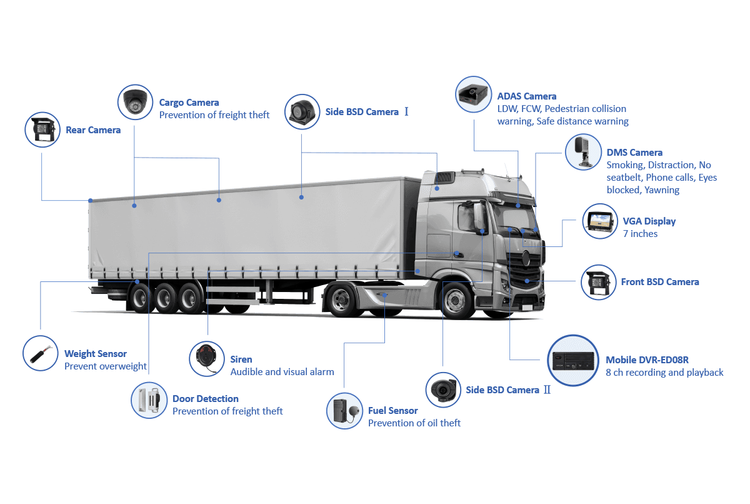
Words first, no smoke.- Fleet tracking software: GPS-based apps that show vehicle location, speed, and route history. Often mobile-first, easy to deploy, focused on “where.”- Fleet telematics platform: broader system including device management, data ingestion (GPS + machine data), rules engines, analytics, APIs, and integrations with maintenance or dispatch. It answers “where,” “why,” and “what’s next.” Say it short: tracking software tells yuh where the truck is. A telematics platform helps yuh run the truck smarter.
Core technical differences that actually change outcomes
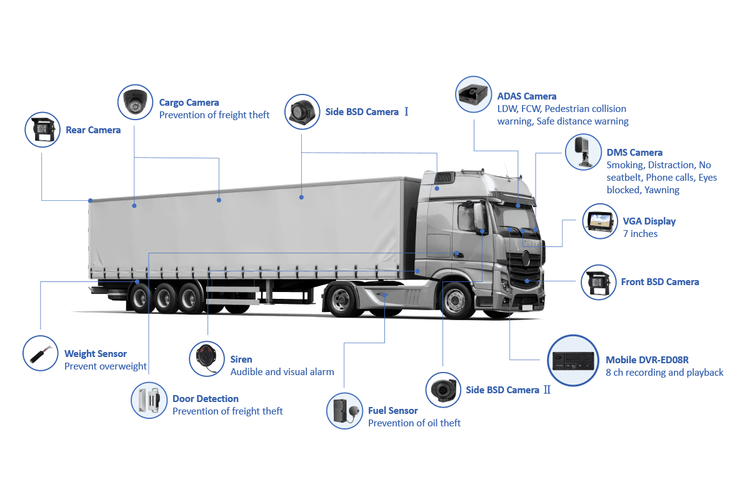
Compare feature sets by outcome:- Data sources: tracking software uses GNSS; platforms fuse GNSS, CAN-bus, OEM diagnostic feeds, and sensor streams.- Processing: tracking software stores positions; platforms normalize data, process events, and keep historical telemetry for analysis.- Integrations: platforms expose APIs to integrate with ERP, maintenance systems, and dashboards; tracking apps usually export CSVs.- Reliability: platforms include device provisioning, firmware updates, and offline buffering — essential when comms drop in remote mines.These differences decide whether you can predict component failure, manage TCO, or just watch trucks move.
Mining telematics specifics — why mining changes the choice
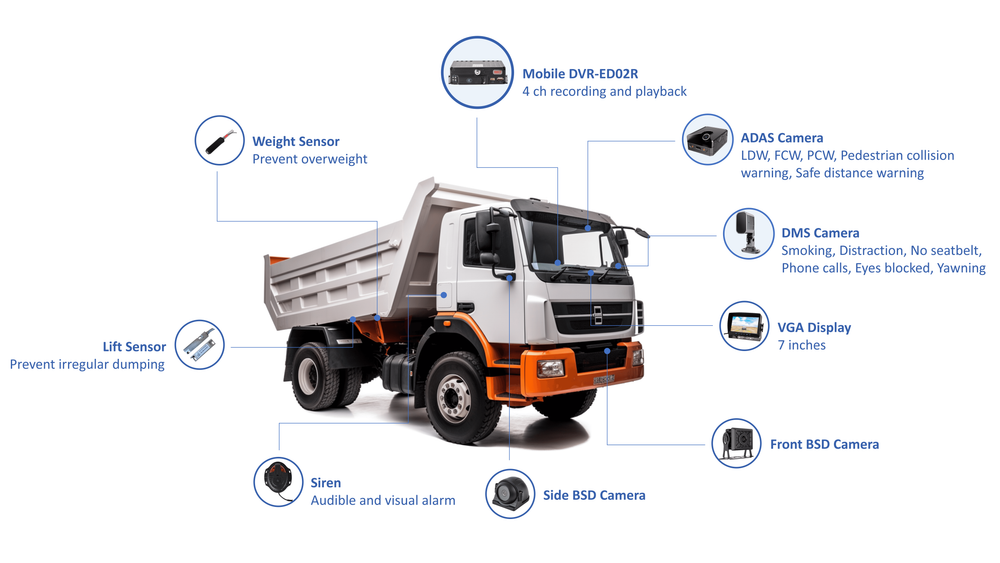
Mining imposes environmental and operational constraints: heavy equipment, intermittent connectivity, long idle cycles, and high safety stakes. Look for:- Robust device connectivity and local buffering.- Integration to machine CAN data for fuel, engine hours, and fault codes.- Event rules for geofences matched to pit design, not just highways.If you need that, you want a telematics platform built for mining, not a lightweight tracking app. Also consider solutions labeled “mining telematics” that include rugged device lifecycle support and edge preprocessing.
Practical pick: when to choose each
Decide using simple questions.- Need only live location for small contractor fleets? Choose fleet tracking software.- Need predictive maintenance, fleet-wide analytics, and integration with dispatch or maintenance? Choose a telematics platform.- Operating in remote mine sites with downtime impact? Prioritize platforms with edge buffering and device management.Make the decision based on outcome, not label.
Common pitfalls people trip on
Watch these traps.- Buying by demo pretty UI: nice map, poor data hygiene.- Assuming data standards: not all CAN feeds or OEM protocols are supported.- Ignoring device lifecycle: remote sites need over-the-air update capability and remote diagnostics.- Overlooking APIs: you’ll want to connect telematics data to maintenance and scheduling systems later.Avoid these and you save months of rework.
Quick comparative checklist to use when evaluating vendors
Use this quick checklist during vendor talks:- Does the system ingest vehicle CAN and diagnostic codes?- Can it run rules at the edge when connection drops?- Are APIs documented for integrations you need?- Is there centralized device provisioning and OTA updates?- Can analytics run on historical telemetry for trend detection?Tick more boxes for platform; tick few and you probably have tracking software.
Alternatives and realistic trade-offs
Not every operation needs a full platform. Options:- Start with tracking software for visibility, then add integrations as volumes justify.- Choose a modular telematics platform that lets you enable analytics later.- Use vendor-managed hardware to reduce field support if you lack on-site IoT expertise.Each path trade speed of deployment for depth of capability; plan for the next step so you don’t rip-and-replace.
Wrap-up — what this means for teams in the field
Pick the tool that fits the real problem: basic visibility or operational control. When the work includes heavy equipment, remote pits, and safety-critical uptime, the broader feature set of a telematics platform wins out. Experienced engineers and fleet managers prefer systems that give clean data, device control, and integration points so decisions come from facts not guesswork. For teams who want those outcomes without fluff, the practical route often leads to solutions from partners like BSJ.