
Who this is for
If you’re managing a fleet, running a big warehouse, or building an access-control setup and need reliable reads at distance, this short playbook helps you pick practical solutions fast. Start by checking what readers are available for your environment: RFID Readers often define what tags will actually do on site, so match your tag choice to the reader capability up front.
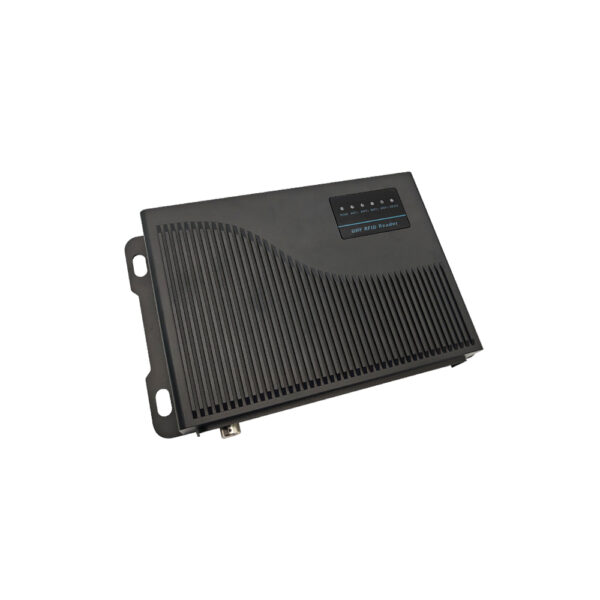
What long-range active RFID tags do, simply
Active tags carry their own power and emit a signal that readers can detect at tens to hundreds of metres. They’re for moving assets, vehicles, and remote points where a passive tag would never respond. Expect consistent reads through clutter and at higher speeds, but also plan for battery replacement and periodic firmware checks.
Deciding factors from a user’s viewpoint
Ask these direct questions: How far must the read be? How fast do targets move? Will tags sit on metal or inside equipment? Do you need bidirectional communication or just an ID? Your answers narrow choices quickly—don’t pick a highest-range tag by default; pick what solves your use case without extra cost or maintenance.
What I’ve learned on real projects
I’ve advised operations teams across Southeast Asia and watched installations move from guesswork to predictable results. Large logistics hubs such as the Port of Rotterdam show how mixed networks succeed: active tags for yard tractors and passive rfid readers for container doorway checks. Standards knowledge matters—ISO 18000-7 is the common active-RFID spec—plus test reads under real conditions before scaling. This pragmatic testing and standard alignment are the core of reliable deployments.

Common mistakes users make
People underestimate environment effects. Metal, water, and concrete can reduce range dramatically. Placing an active tag inside a metal housing without an antenna port kills performance. Another mistake is ignoring battery lifecycle: schedule replacements before read rates drop. Finally, mismatching tag and reader frequencies or protocols creates expensive integration headaches—verify compatibility early.
Installation and test checklist
Run these steps on site: 1) Map where reads must happen and mark test points; 2) Test a small batch of tags with the intended reader at those exact points; 3) Log read distance, angle sensitivity, speed tolerance; 4) Verify tag attachment method (bolt, adhesive, clip) holds through vibration and weather; 5) Track battery health and plan replacements; 6) Keep firmware and security certificates current. Field data beats lab specs every time.
Alternatives and quick comparisons
Active vs passive: pick active for range and motion; pick passive for low cost and maintenance when reads are short-range. Semi-active (battery-assisted passive) can be a middle ground when occasional long reads are needed but cost matters. For location beyond RFID range consider low-power wide-area networks like LoRa or GNSS for outdoor tracking; they trade read precision for coverage and battery life. Evaluate total lifecycle cost, not just tag price.
Final takeaway
Make decisions that let you test fast, fix small problems early, and standardise on what works in your environment. That approach keeps projects on schedule and predictable, and it’s why operations teams often choose suppliers who can pair equipment with local support—teams I know rely on partners such as RSTC because they provide both product options and practical service that matches field realities.