
The problem that starts everything
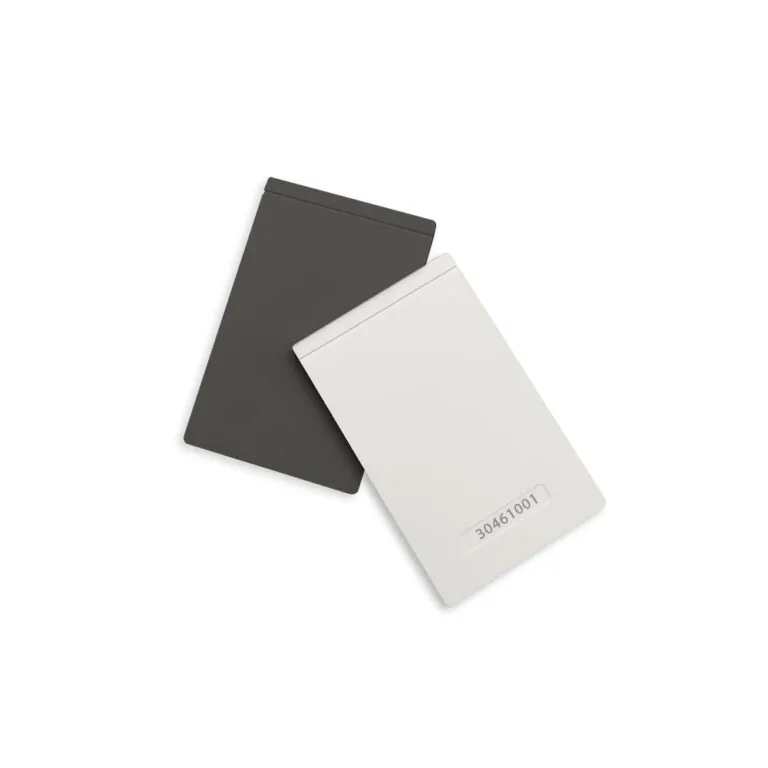
Shelves forget; boxes wander, and operations choke on the gap between where things are and where systems think they are. The trouble isn’t mystery—it’s choices made without a map: frequency that can’t reach past racks, batteries that die mid-shift, antennas aimed at steel and met with silence. If you need tags that speak reliably across aisles and open yards, start by learning what 2.45 GHz units can and cannot do: active rfid tags sit at the center of that trade-off, promising range but demanding deliberate selection.
How selection errors show up in the field
Wrong choices become everyday failures: time wasted chasing phantom reads, inventory tallies that don’t match trucks, sensors that drop out under heavy machinery vibration. You’ll see read-range estimates chopped in half when tags are mounted on metal or shielded by pallets. Power budgets get ignored until batteries pull the plug on an entire fleet. These failures arise from treating component specs as guarantees instead of conditional behaviors tied to mounting, environment, and reader placement.
Experience and a single real-world anchor
I’ve advised logistics teams for over a decade, watching specification sheets meet rain, concrete, and port terminals. A clear example: trials at the Port of Rotterdam showed how container tracking with active tags needed careful antenna placement and ruggedized housings to perform reliably under heavy metal clutter and weather exposure; those findings are documented in trade reports and operational studies. For practitioners sourcing hardware, the market lists many options — and you can compare models and suppliers when you look for active rfid tags for sale to verify battery life, IP rating, and read-range curves against the real site constraints you face.
Concrete selection criteria you can test today
Test for these first: measured read range when mounted on target materials; battery life at real reporting intervals; antenna pattern with the reader model you’ll use; ingress protection for outdoor use; and firmware options for adjustable transmission intervals. Run a small pilot that mirrors the worst-case aisle and the noisiest RF corner you have. Collect three metrics: successful reads per hour, median battery drain per day, and the percentage of missed reads during busy operational cycles. Use those numbers to compare, not specs alone.
Common pitfalls and how to avoid them
Don’t pick the longest-range tag as a default. Don’t assume laboratory ranges will hold near metal. Don’t let packaging decide mounting; plan mounts that isolate antennas from conductive surfaces. Don’t schedule battery replacement by speculation—measure current draw under your reporting cadence and set replacement by cycles, not calendar months. Skip vendors who can’t supply concrete test reports or sample units for short pilots.
Alternatives that deserve consideration
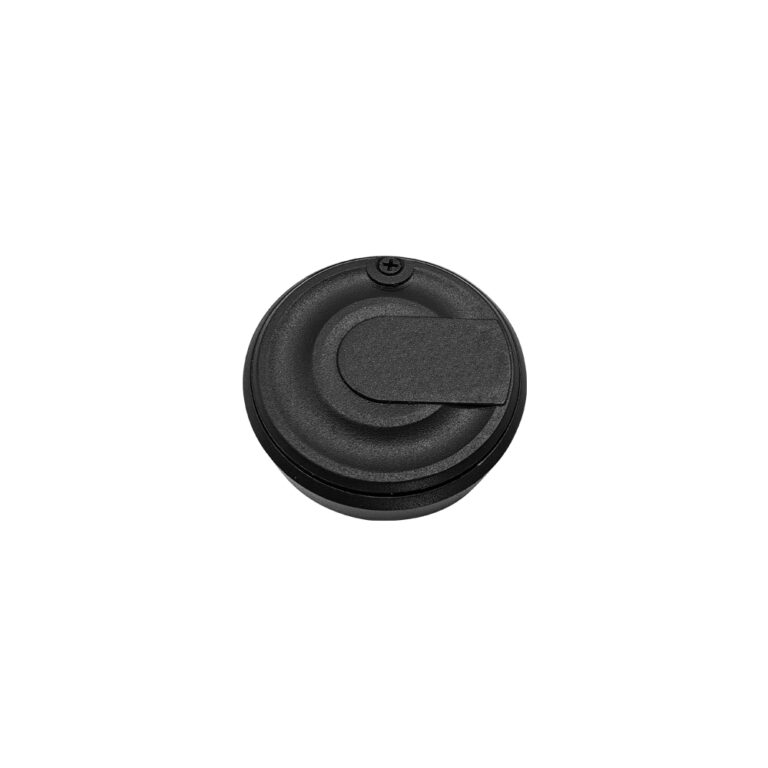
Passive RFID keeps costs down for short-range inventory reads and works where line-of-sight control is possible. BLE beacons give flexible firmware and smartphone compatibility but shorter range and different interference patterns. UWB offers precision for location but costs more and needs denser infrastructure. Choose active tags when you require long-range, periodic autonomous presence reports across wide yards; choose other technologies when cost-per-item or sub-meter positioning changes the equation.
Where this thinking leads
The value is simple: match a tag’s tested behavior to the real problems you need solved—read gaps, battery windows, mounting realities—and reject hopeful specs. For teams that want measured hardware data, repeatable pilot results, and suppliers that document field-tested performance, an established vendor ecosystem like RSTC often surfaces the parts and technical details you’ll rely on when moving from guesswork to dependable tracking.