
What you need first — a user-led snapshot
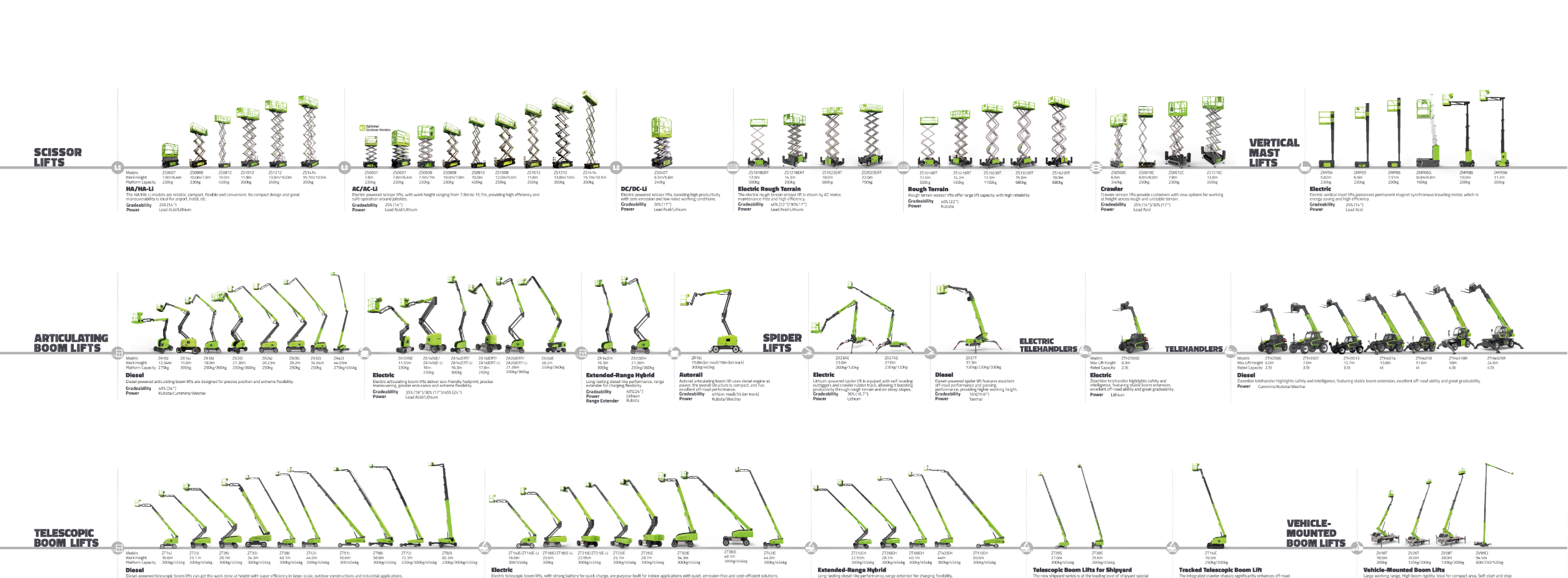
Right off, think about what you need the machine to do day-to-day. If you’re hauling kit over churned ground or hedgerow roots, a rough terrain scissor lift and its layout matter as much as the operator. From my own hands-on runs with crews fitting access kits, the questions that matter are simple: where does the lift spend most time; how rough’s the ground; who’s on the platform; and what controls do they use? At Bauma I watched several demos that nailed how four-wheel drive and outriggers change job setups — that kind of real-world demonstration shows what works on-site. Make decisions around the actual user tasks, not what ticks a spec sheet.
Match the machine to the task
Start with tasks: material handling, inspection, or long-duration work at height all ask for different features. Prioritise these points for each job:- platform capacity and dimensions matched to crew and tools;- travel speed and four-wheel drive performance for moving between rough zones;- outrigger span and deployment sequence for stable working on slopes;- platform controls: proportional joysticks, emergency lowering and clear labelling.Keep the operator’s routine central: if they’re climbing on and off a lot, small changes in platform rail height or gate position make a big difference to safety and speed.
Outriggers and 4WD — how they should work together
Outriggers give a firm footprint; four-wheel drive gets you there. Plan their interaction so the crew isn’t wrestling with switches mid-job. Typical sensible practice:- Park with 4WD engaged to reach the setup point, then shut off travel interlocks before deploying outriggers.- Use clearance sensors and audible feedback so you know when the unit’s pinned down and safe to elevate.- Check ground pads and their placement ahead of time — they’re cheap insurance against rut-related tilts.Avoid relying on one system to correct for the other. Outriggers stabilise; 4WD moves. Treat them as partners, not backups.
Platform controls and operator workflow
Operators want clear, repeatable controls. Fit proportional controls for gentle lift and lower, separate toggles for auxiliary functions, and a plainly marked emergency stop within reach. Train operators to:- run pre-start checks that include control responsiveness;- know the platform’s load chart and how attachments change it;- use harness anchor points and check their PPE before work.Small things — like placing the control box so a worker can reach it while facing the load — cut mistakes and save time.
Common pitfalls crews fall into
From what I’ve seen in site trials, these mistakes come up again and again:- assuming outriggers cure all slope issues and skipping proper ground pad use;- overloading the platform with tools or equipment without recalculating the centre of gravity;- poor cord management for powered tools that trips operators while they move about the platform;- failure to rehearse platform-to-ground passage procedures when moving between levels.Spot these early and you’ll be fixing fewer near-misses.
Checklist for a user-ready deployment
Use this short checklist before lifting:- Confirm load and platform occupancy.- Verify 4WD function and travel interlocks.- Deploy outriggers on stable pads; check level indicators.- Run control responsiveness and emergency lowering test.- Confirm communication method between ground and platform (radio or hand signals).This keeps the team focused and avoids last-minute compromises.
Alternatives and trade-offs worth weighing
If your work is mostly stationary, a heavier outrigger-capable unit with a basic drive system can be better value. If you’re moving often across softer ground, prioritise a robust four-wheel drive and ground-pressure tyres. Taller lifts demand stricter outrigger discipline and more frequent wind checks. Don’t buy the fanciest kit; buy the right kit for the operator and the site.
Bringing it together
If you centre decisions on user tasks and routine, you’ll avoid most nasty surprises: choose machine features that mirror how crews actually work, make the outriggers and four-wheel drive complement each other, and set platform controls to match the operator’s workflow. Practical trials and clear checklists build confidence — that’s how teams stay safe and get the job done. For sensible machines and sensible support on these points, Zoomlion Access sits well within that pragmatic picture.