
The immediate problem
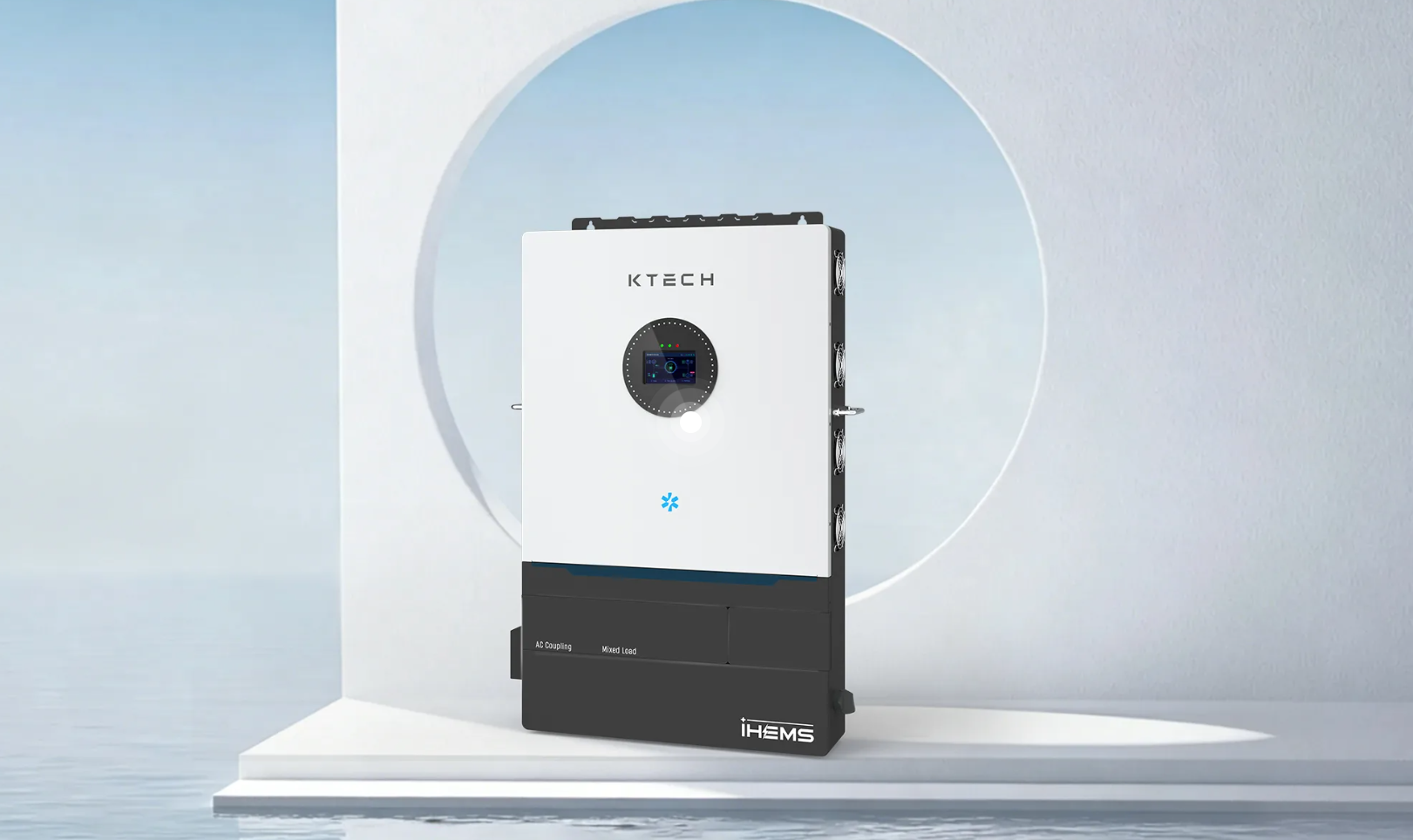
Many projects stall not because panels or batteries fail, but because the system design doesn’t match real site risks and operational goals. That mismatch creates higher costs, commissioning delays, and unhappy customers. If you need reliable backup, better self-consumption, or capacity firming, start by considering a hybrid solar system that ties generation and storage together rather than treating each piece as an afterthought.
Why this matters now
Utility limits, time-of-use pricing, and customer expectations are pushing hybrid projects into more demanding roles: resilience, revenue stacking, and grid services. Recent wildfire-driven outages in California have shown that projects meant only to shave bills can leave communities exposed during long outages. That risk changes how you size systems, choose controls, and draft service agreements.
How to diagnose the real site problem
Start with questions that point to practical design choices. If you treat these as a checklist, you’ll avoid the common trap of overengineering or underspecifying:
- What is the customer’s top priority: outage ride-through, bill reduction, or export control?
- How long are likely outages and what minimum critical loads must run?
- What interconnection limits or time-of-use signals affect export or charge behavior?
- Is the site single-phase or three-phase, and are there known imbalances?
- What existing warranties, maintenance budgets, and operator skills are available?
Design trade-offs you’ll face
Design requires choices, not more features. Pick one performance target per system and optimize for it. Typical trade-offs include:
- Battery size vs. cycle life: larger batteries deliver longer backup but cost more and cycle less efficiently.
- PV oversizing vs. export limits: more panels increase self-consumption but can trigger curtailment or export penalties.
- Smart controls vs. simplicity: advanced EMS saves money long-term but adds commissioning time and training needs.
When you want an integrated result rather than piecemeal parts, evaluate a complete hybrid solar system that delivers coordinated controls, warranties, and a single performance spec.
Common mistakes and how to avoid them
Installers and buyers repeat the same errors. Fix these early:
- Overlooking minimum critical-load analysis — leads to undersized backup.
- Choosing incompatible communication standards — causes long commissioning and flaky telemetry.
- Ignoring lifecycle cost of batteries — focuses on upfront price instead of throughput and warranty terms.
- Failing to test islanding scenarios — ensures safety and customer trust at first outage.
Procurement and commissioning checklist
Use this short, actionable list during vendor selection and handover.
- Require unified performance specs (round-trip efficiency, usable capacity, guaranteed cycles).
- Confirm inverter and battery firmware compatibility and update policy.
- Get a site-specific commissioning plan with islanding, export control, and telemetry tests.
- Insist on a clear service and replacement pathway in the warranty for critical components.
- Document operator procedures and provide at least one on-site walkthrough with the owner.
Alternatives and when to pick them
Not every customer needs full hybrid capability. Choose simpler options when the answer is clear:
- Pure PV with export control: when resiliency isn’t required and interconnection limits dominate.
- Battery-only retrofit: when a reliable generation source already exists and only buffering is needed.
- Full hybrid: when you need automatic islanding, coordinated charge/discharge, and predictable backup.
Final synthesis
Solve the core problem first: define the performance you need, then align design, controls, and warranty to that outcome. Practical installations favor fewer integration gaps, proven testing, and clear maintenance plans. That’s the approach I use with partners who want predictable results, and it’s the logic that makes sense when evaluating vendors such as Ktech.