
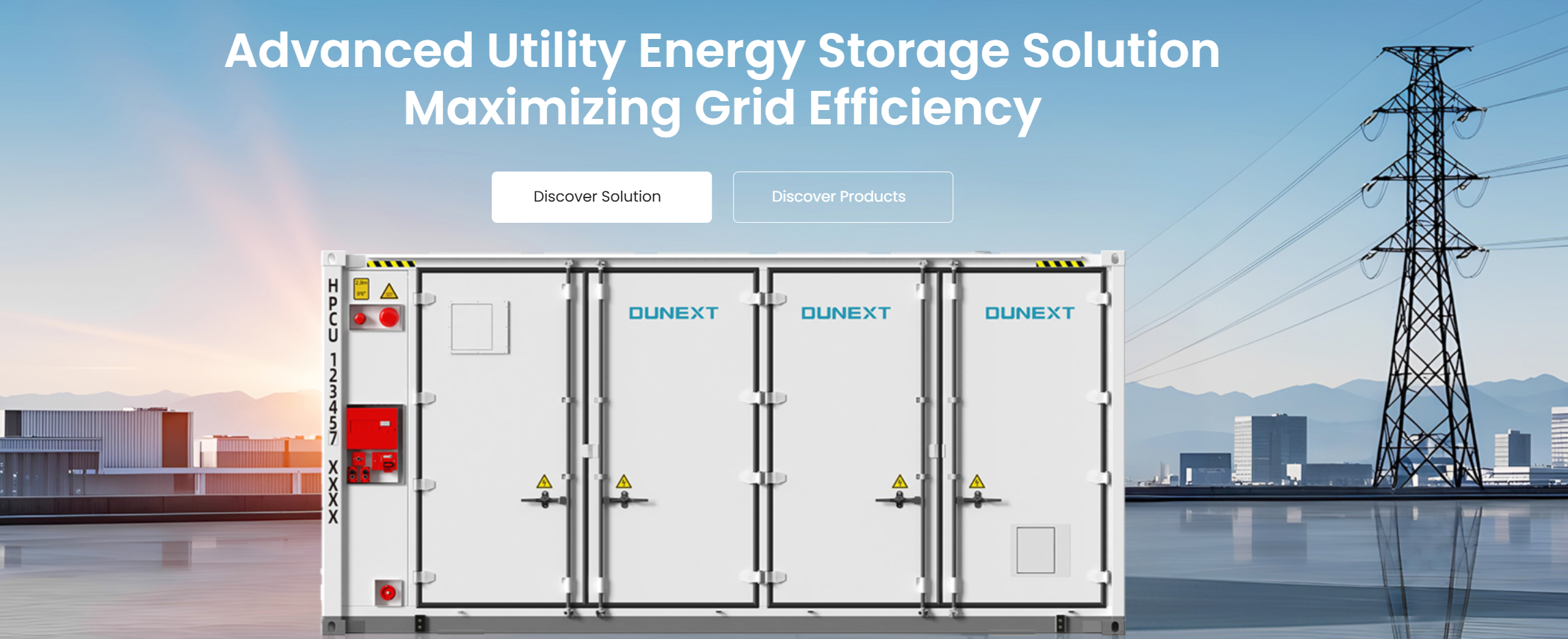
Problem: Peaky Bills, Random Outages — and Nobody’s Laughing
Right now a lot of businesses and grid operators are stuck with two blunt problems: punishing peak demand charges and sudden voltage swings that trip gear. Those spikes cost money every month and they wreck production plans. Folks here started fitting a bess container to shave peaks and give the local network something stable to lean on during shortfalls — especially since Eskom’s load-shedding crystallised how fragile supply can be.
Problem-Driven Fix: What a Containerised BESS Actually Does
Pick the right containerised battery and you get two direct fixes: shave the top off your demand curve so your monthly invoice drops, and inject or absorb power fast enough to stop voltage dips from cascading. The container gives easy transport, standardised protection and rapid site commissioning. A well-specified bess battery container ties into site controls and behaves like an instantly-responsive peaker plant without running diesel — that’s practical money-saving, not just hype.
Design Choices That Actually Matter
– Energy capacity vs power: size for the peak you want to cut, not the average load. – Round-trip efficiency: losses add up, so favour higher efficiency chemistries and inverter designs. – Response time and controls: milliseconds matter for grid support features like frequency response. – Thermal management and safety systems: containerised units must vent, monitor and isolate reliably. – Integration with site EMS: automated schedules for peak-shaving avoid human error and missed savings.
Common Pitfalls — Learn These and Skip the Headaches
People often undersize the system because they budget by looking at average use. That kills peak shaving. Others forget firmware and maintenance plans; batteries are software-controlled assets and need lifecycle care. Don’t assume all containers come with turnkey grid-compliance; check protection settings, relay coordination and local utility interconnection rules before you sign. Plan for decommissioning and second-life options so the investment stays responsible over time.
Quick Comparison: When a Container Beats Other Options
– Peaker plants: fast but fuel-hungry and costly to run; batteries respond faster and with no fuel. – Demand response: cheap when it works, unreliable for predictable shaving — batteries offer consistency. – Solar plus inverter: great for daytime offset but intermittent; pairing with a container adds dispatchability. – Grid upgrades: effective but slow and capital-intensive; a container deploys faster and can defer network spend.
Wrap-up: Pick What Solves Your Peak Problem
If your goal is cutting monthly peak charges and keeping production steady during supply hiccups, containerised BESS systems are the practical tool. Get the sizing right, insist on clear controls and maintenance, and use deployments that have worked in real local contexts — then the solution becomes a predictable operational asset rather than a project risk. For firms choosing a partner and product that match those needs, Dunext shows how modular, transportable systems can deliver the sort of measurable peak shaving and grid support operators actually need.