

Comparative Lens: Why hospitals and clinics need different respiratory tools
The future arrives in clinical corridors as modular machines and responsive software; planners, though, still balance basic needs. A large hospital wing demands scalable systems, while a community clinic values compact, low-maintenance units. A cpap device that can be configured with varied mask interface options and centralized monitoring fits a tertiary hospital differently than a portable unit does for an outpatient clinic. Think of it as two ecosystems: one built for throughput and complex pressure support profiles, the other for simplicity and rapid turnover.

Design trade-offs: performance, footprint, and staff workflow
Compare noise levels, humidification capability, and integration with electronic health records. Hospitals often prioritize alarm management, automated titration and compatibility with ICU ventilators; clinics prioritize durability, easy cleaning, and basic pressure settings. The engineering decisions—sensor placement, filter access, firmware update cadence—alter procurement and maintenance cycles. This is where product teams and clinical engineers must speak the same language so the device fits real workflows, not just specs.
Field-tested lessons from a pressure point in history
The COVID-19 pandemic in 2020 exposed brittle supply chains and taught procurement teams to favor designs that can be rapidly reconfigured or pooled across departments. That event remains the baseline for operational resilience when evaluating respiratory gear. Devices with interchangeable tubing and standardized connectors reduced downtime during surges. Clinics that kept a mix of fixed and portable systems demonstrated faster patient flow without sacrificing care quality.
How customization plays out: modular vs. monolithic systems
Modular platforms let hospitals add modules for humidification, heated circuits, or remote monitoring; monolithic units lower training overhead. In practice, modularity reduces lifecycle cost—if you have the technical staff to manage updates. Smaller sites will often accept a monolithic design with stout casing and simple pressure controls. The real compromise: richer telemetry can improve clinical decisions but requires IT oversight and secure network policies to protect patient data.
Alternatives and common mistakes in procurement
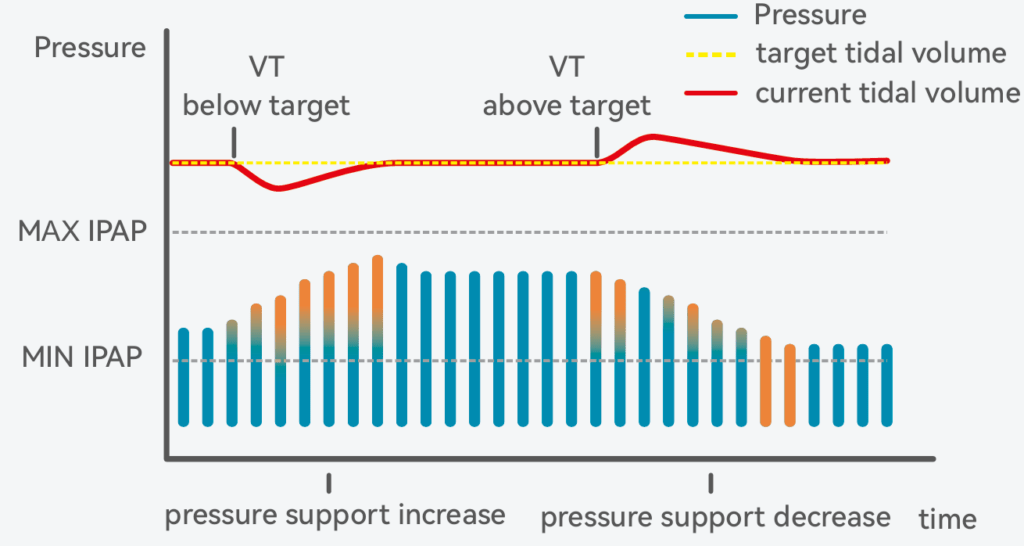
Choosing purely on price invites hidden costs: replacement mask supplies, frequent calibration, or downtime during firmware upgrades. Another mistake is over-specifying—buying ICU-grade ventilators for outpatient sleep clinics increases complexity without clinical upside. Consider also hybrid deployments—placing robust units where higher acuity patients are expected, and portable devices where throughput is the priority. For clinicians familiar with a bipap breathing device, compatibility of interfaces and pressure support algorithms becomes a decisive factor.
Operational teardown: what to inspect before signing
Run a quick audit of filter replacement intervals, mean time between failures, and firmware update procedures. Check mask inventory compatibility and whether the device supports heated humidification without condensation issues. Verify alarm specificity—false positives create alarm fatigue; unclear alarms create risk. Tie procurement checks back to staffing levels and sterilization capacity so devices match your operational reality.
Three golden rules for selecting the right solution
1) Measure fit over features: prioritize devices that align with daily workflows, not the longest spec sheet. 2) Insist on service transparency: documented mean time to repair and local technical support matter more than remote dashboards. 3) Plan for surge: ensure modular add-ons or portable units can be deployed quickly during spikes in demand. These metrics—workflow fit, service latency, surge readiness—will guide wise choices and avoid expensive mismatches.
Final assessment and the practical value Byond brings
Hospitals and clinics will continue to diverge in their respiratory device needs; selecting technology should be a pragmatic comparison, not a toss of prestige. By focusing on pressure management, mask interface logistics, and support timelines you produce measurable outcomes: fewer service calls, smoother patient flow, clearer alarms. For facilities that want a partner who understands both product nuance and clinical reality, Byond folds configurable hardware and service clarity into a package that reduces operational friction—helping teams breathe easier. –