
Problem statement: why cuts still miss spec
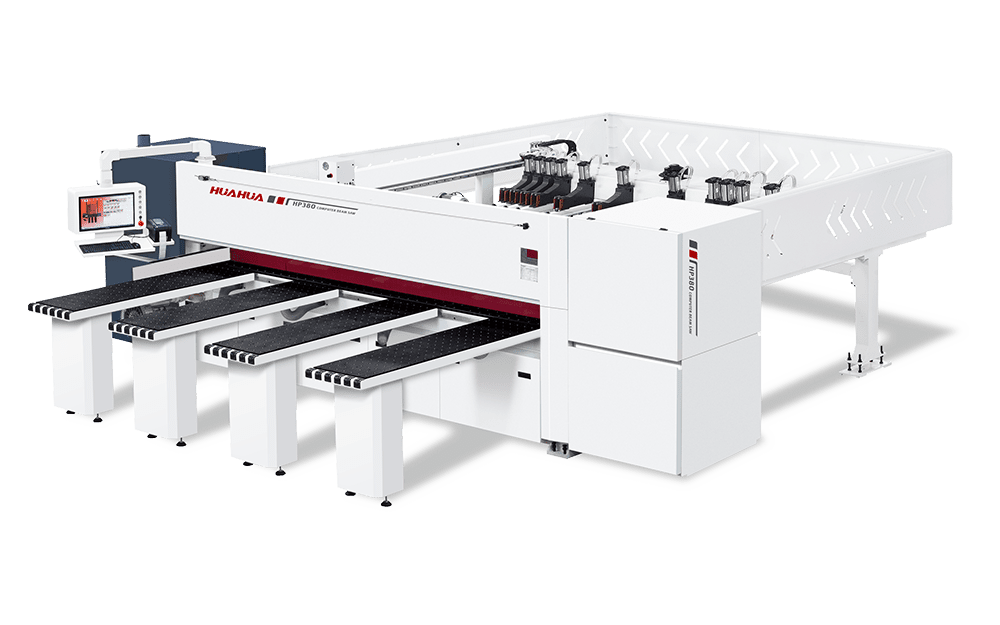
Parts arrive out of spec, boards get reworked, and quotes blow up because a handful of cuts wander by a millimeter or two. Shops often point at operators, blades, or material variation without tracing the root causes: inconsistent drive control, mechanical backlash, and poor synchronization between feed and saw. If you’re evaluating upgrades, look beyond manual stops toward systems like a cnc panel saw and consider how a true closed-loop servo approach changes the failure modes. I’ve overseen product rollouts and field pilots and saw the difference firsthand at LIGNA, where manufacturers demonstrated how a modern automatic panel saw machine shifts accuracy from operator-dependent to system-guaranteed.
Pinpointing the failure modes
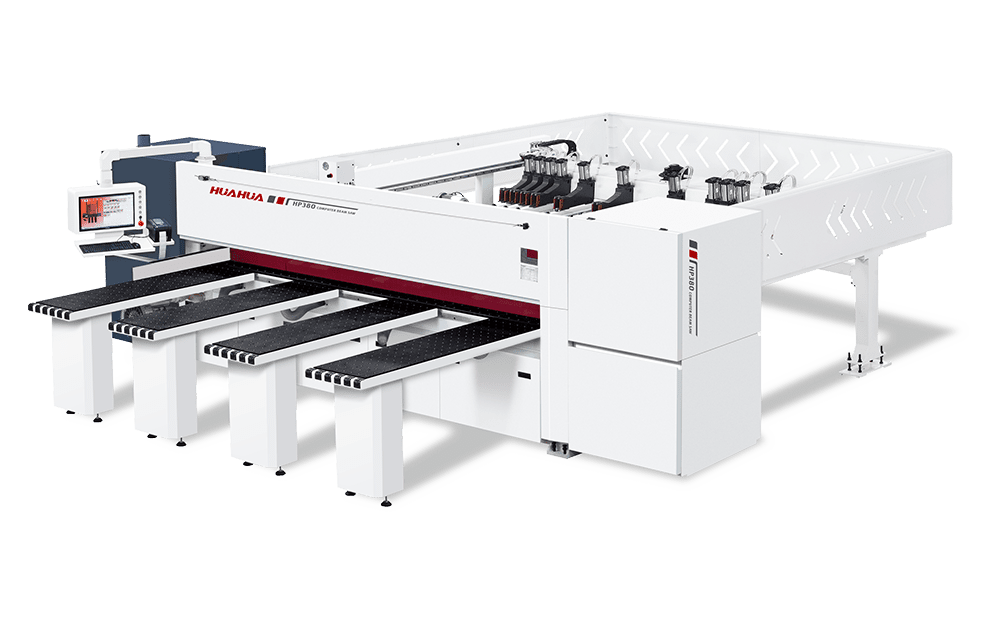
Accuracy problems come from discrete, fixable sources: drive overshoot and undershoot, mechanical play, acceleration-induced drift, and inconsistent clamping. Operators compensate with trial cuts and conservative tolerances; that costs material and time. A clear diagnostic—measure cut-to-cut variance, repeatability across the table, and time-to-first-good-part—reveals which failure mode dominates for your shop.

What servo control fixes, practically
Servo-driven axes use real-time position feedback and tuned motion profiles. That reduces overshoot, eliminates cumulative positioning error, and lets the machine handle acceleration without dragging parts out of spec. Synchronizing the longitudinal feed with the crosscut axis keeps kerf placement consistent even at higher cycle rates. Put simply: the system holds the target position rather than hoping a mechanical stop or manual push will do it.
Metrics to track and what to expect
Measure these KPIs before and after: dimensional variance (mm), scrap rate (% of panels), setup time (minutes), and throughput (panels/hour). Typical practical outcomes are a move from millimeter-scale variance to sub-millimeter repeatability, scrap reductions, and fewer manual adjustments per shift. Quantify results on your top five part types so you see the business case for the upgrade.
Implementation checklist for reliable gains
Start with baseline data. Capture measurements on representative panels, then pilot a servo-controlled line on one workstation. Calibrate sensors and tool offsets, use consistent blade and clamp maintenance, and run standardized test cuts daily for the first month. Train operators on the difference between manual compensation and system correction—skills matter. Maintain firmware and servodrive health; neglected tuning undoes expected gains.
Common mistakes that erase benefits
Don’t let three things happen: skip baseline measurements, assume old fixtures will perform the same, or neglect operator retraining. Also avoid pairing a high-precision drive with worn mechanical components; electronics can only correct what the structure allows. Verify blade quality and table flatness before blaming the controller.
Alternatives and where they fit
Pneumatic stops and cam-driven systems are cheaper up front and fine for low-mix, low-precision work. Fully manual tables remain viable for prototypes and single-piece work. Laser-guided positioning helps setup but doesn’t replace closed-loop position control for repeatable cuts. Choose servo control when you need consistent tolerances, repeatability across operators, and higher throughput without added rework.
Conclusion: a practical outcome-focused choice
Fix the measurable causes of cut variance, not the symptoms. A servo-controlled panel saw converts human variability into predictable machine performance, letting you reduce scrap and stabilize takt times. For shops that want a pragmatic, tested path to repeatable accuracy and measurable business value, HUAHUA CNC supplies systems and integration that match this problem-driven approach.