
Clear, user-first introduction
If your team relies on an analog two way radio for daily coordination, you need a maintenance plan that fits real shifts and messy conditions. This piece focuses on what users count on most: reliable voice, predictable battery life, and fast repairs. I will walk you through simple checks, common user errors, and supplier questions so you can keep radios working for months, not just days.
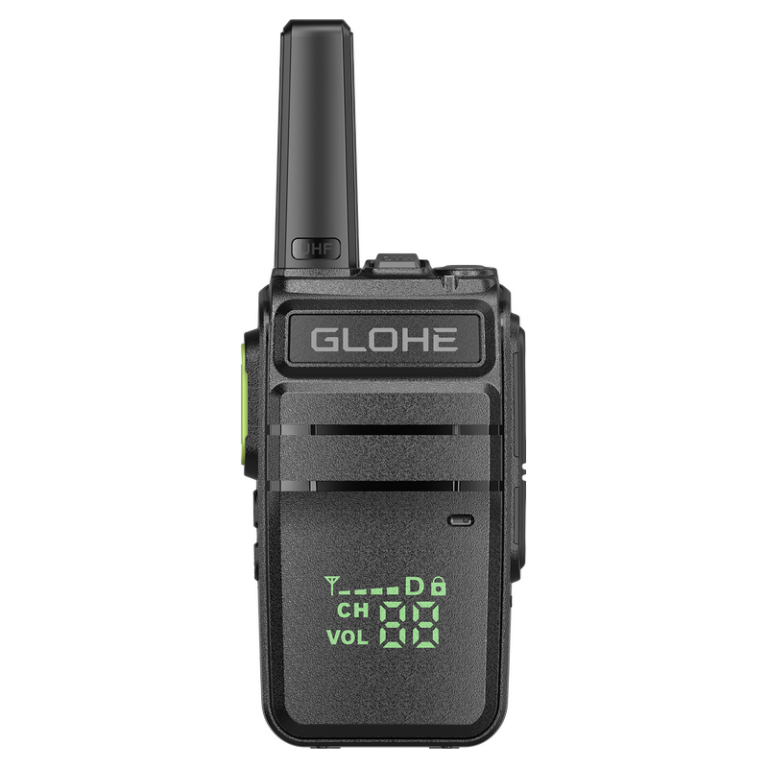
Start from tasks, not specs
Ask what your radios must do every shift. Do you need clear voice across a warehouse rack, or coverage across a multi-building campus? Match duties to features: better range for outdoor crews, water resistance for port workers, long-lasting batteries for event staff. Choose radios that meet those needs rather than buying the most expensive model.
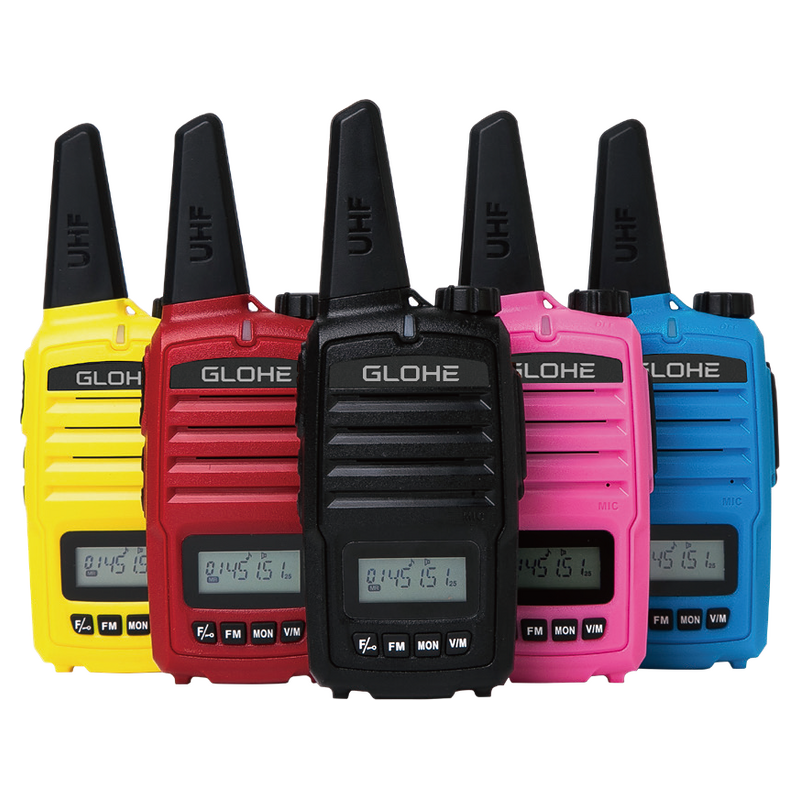
Daily and weekly checklist that staff will actually follow
Keep the list short and actionable. Daily: check battery charge, confirm antenna is straight, press the push-to-talk, and test incoming/outgoing audio. Weekly: clean battery contacts with a dry cloth, inspect speaker/mic ports for debris, verify channel programming, and run a live range check. Log failures in a shared note so patterns appear before they become outages.
Common mistakes that break uptime
Users often skip obvious habits. They mix old and new batteries in the same charger pack, leave radios on heavy-duty channels that drain power, or ignore a damaged antenna until reception fails. Avoid stocking random chargers—use one approved charger type and label spares. Don’t wait to replace a battery once capacity drops below your minimum shift requirement.
Service, spares, and lifecycle budgeting
Plan for a realistic lifecycle: initial purchase, scheduled battery replacements every 12–24 months depending on use, and mid-life repairs (speaker, microphone, or antenna). Keep a 10–20% spare pool of units and batteries to cover repairs and surge needs. Track warranty periods and repair turnaround times; a predictable three- to five-day SLA is easier to plan around than an open-ended repair window.
Supplier selection through the user lens
Choose suppliers who answer practical questions clearly: What is the average repair turnaround? Are replacement parts stocked locally? Can they provide quick training for new staff? Major events like the PyeongChang 2018 Winter Olympics highlighted how event managers depend on dependable supply chains and on-site support, and those experiences are documented in industry reports and post-event summaries—this is why teams often prefer an analog two way radio supplier that can show rapid service records and local availability. Trustworthy suppliers will share repair logs and service metrics without making you ask twice.
When to keep analog and when to upgrade
Analog radios remain strong where voice simplicity and long battery life matter. Consider digital or hybrid if you need encryption, data messaging, or better audio in noisy environments. Upgrade when operational gaps appear: calls drop, interference increases, or mandated regulations require digital compliance. Otherwise, stick with the simpler system and invest in maintenance.
Final synthesis
Focus on daily habits, measured spares, and a supplier that answers exact questions about parts and turnaround. Practical planning reduces surprises and keeps teams communicating through busy shifts, which is why many operators align their maintenance steps with suppliers they trust, including GLOHE.