
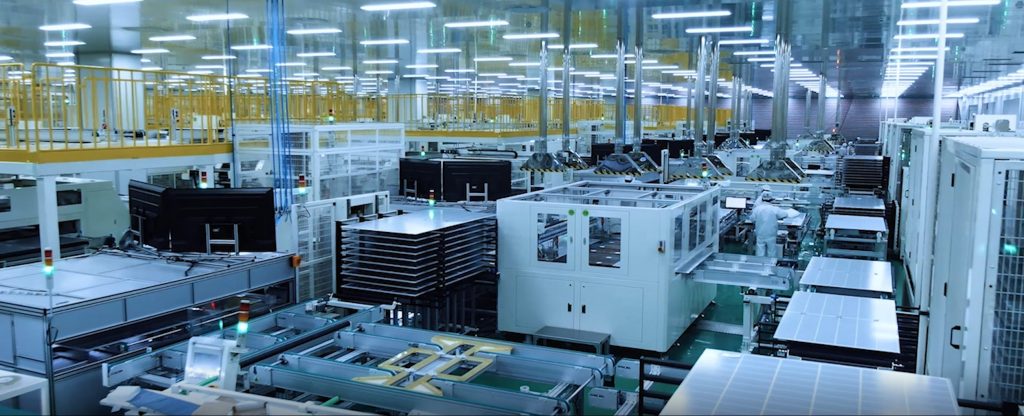
Introduction: A Quiet Shift on the Line
Definition before debate: a factory is a system of flows, not just machines. PV module sits at the heart of this system, carrying light to the grid with each fused cell. This morning, a supervisor checks yield—97% first pass on paper—while global demand rises past multi-gigawatt scales and cycle times tighten. Yet scrap whispers in corners; microcracks hide; overtime climbs (shotti bolchi). So here is the scene, here is the data—now the question: do current lines truly convert investment into stable output, or do they mask friction with heroic effort?

We compare “now” to “next” because the gap costs real watts and real hours. Edge signals from stringers, the lamination press, and the IV tester do not always agree, and the MES logs it late—funny how that works, right? If the factory is a river, then data is its pressure head. When pressure drops, defects pool. Can we tune the flow with clean feedback and fewer handoffs? Let’s step from surface gloss to the deeper layer, where control loops, staffing, and measurement actually meet.
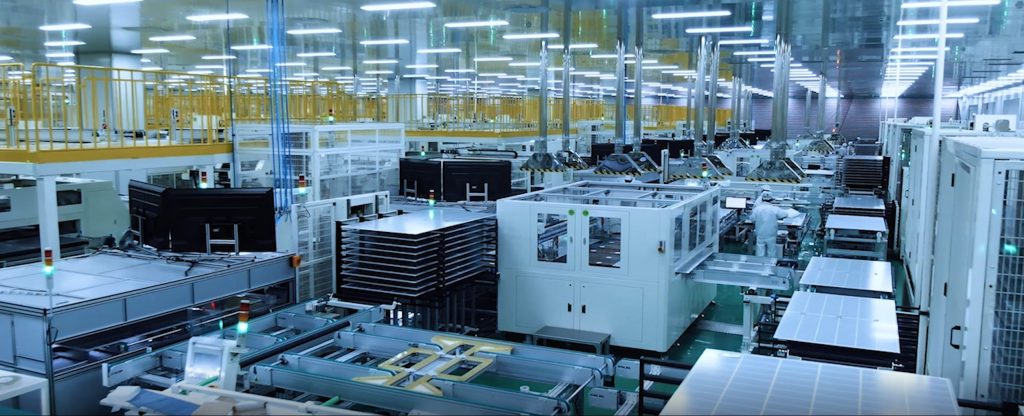
Hidden Frictions in pv module production
Where do the hidden losses live?
In pv module production, the hardest losses to see are not the big breakdowns. They are the tiny shifts that compound: a stringer running a touch hot, a busbar misalignment that passes visual but fails EL imaging later, a lamination press recipe copied from a “similar” bill of materials. Operators try to compensate. The MES updates, but often after the fact. Look, it’s simpler than you think: late feedback means early waste.
Three pain points keep returning. First, data silos across stations, so in-line metrology cannot close the loop to the process that caused the drift. Second, inspection is rich but slow—EL imaging flags microcracks after rework windows have closed. Third, test conditions vary; IV tester settings and power converters calibration drift by shift, which skews binning and invites mismatch in the field. None of this is dramatic on its own. But together they chip at yield, stretch takt time, and nudge energy payback further out.
From Friction to Forward Motion: Principles That Change the Curve
What’s Next
The comparative edge comes from principles, not buzzwords. Start with sensor-to-action latency. When edge computing nodes sit beside the stringer and laminator, they can fuse EL imaging cues with force, temperature, and vision in milliseconds, not hours. That allows a closed loop: tension auto-adjusts, layup offsets nudge back, and vacuum ramps adapt to glass thickness in real time. In short, measurement stops being a spectator. Make it a referee. For lines scaling pv module production, this cuts the decision distance—less debate, more control.
Next, align recipes to physics, not folklore. Digital twin models of the laminate stack can predict cure windows for TOPCon or HJT variants before the first trial. Feed those to the MES, then verify with in-line metrology, not end-of-line surprises. Pair the IV tester with stable power converters and a single source of truth for calibration—across shifts, across lines—and binning becomes reliable. Finally, design for graceful failure: modular stations, quick-swap jigs, and machine vision assist that flags the cause, not just the symptom. Downtime shrinks because the fix is obvious— and yes, that includes night-shift hiccups.
We also learn from contrast. Traditional “inspect, then react” waits for defects to form. The next model “predicts, then prevents.” It does so with small levers: auto-centering at the stringer, recipe locks at the lamination press, and EL image classifiers that push a stop only when defect probability breaches a real threshold. Less noise. More signal. This is how a line turns steady without burning people out or flooding dashboards with alerts.
As you compare options, keep the lens practical. Advisory close, with three checks that matter: 1) closed-loop coverage—what percent of critical stations can self-correct in under one cycle; 2) metrology-to-yield linkage—how often a flagged drift leads to a measurable scrap or rework reduction; 3) calibration integrity—one-click audits showing IV tester, camera, and torque tools are within spec across all shifts. If a solution scores well here, the rest follows. The river flows truer, and watts meet the world on time. For further reading and perspective, see LEAD.