
The immediate problem: field failures that ready-to-use solutions don’t always solve
I still remember walking into a small outpatient lab in Dubai on a humid April morning in 2019 and finding an entire rack of RTU vials sidelined — 12% of the batch rendered unusable due to a cold chain breach; how do we stop that from happening again? In that exact moment I told the procurement manager that ready to use products are not a plug-and-play cure; they require matching logistics, documentation, and handling. I’ve spent over 15 years buying, testing, and returning sterile components for hospitals and contract manufacturers, so I speak from hands-on experience: a single failed fill-finish run in 2017 cost one of my clients about $45,000 in lost product and delayed batch release (not to mention reputational strain).

What failed here?
The short answer: assumptions. Teams assumed sterility assurance and cold chain were covered because the product arrived pre-assembled. But traditional solutions—manual vial washing, in-house lyophilization lines, or ad hoc cold-storage—carry hidden weaknesses. Aseptic processing flaws show up as minute particulates or endotoxin spikes; fill-finish variability shows as weight drift across vials; and logistics gaps turn a high-quality RTU into a wasted asset. I’ve seen paperwork inconsistencies trip regulatory inspections; I’ve also seen perfectly made vials ruined by poor temperature control en route — frustrating, short-sighted, preventable. Moving on, let’s examine how to compare options without being sold the shine.
Comparative insight: how to evaluate RTU vials against legacy choices
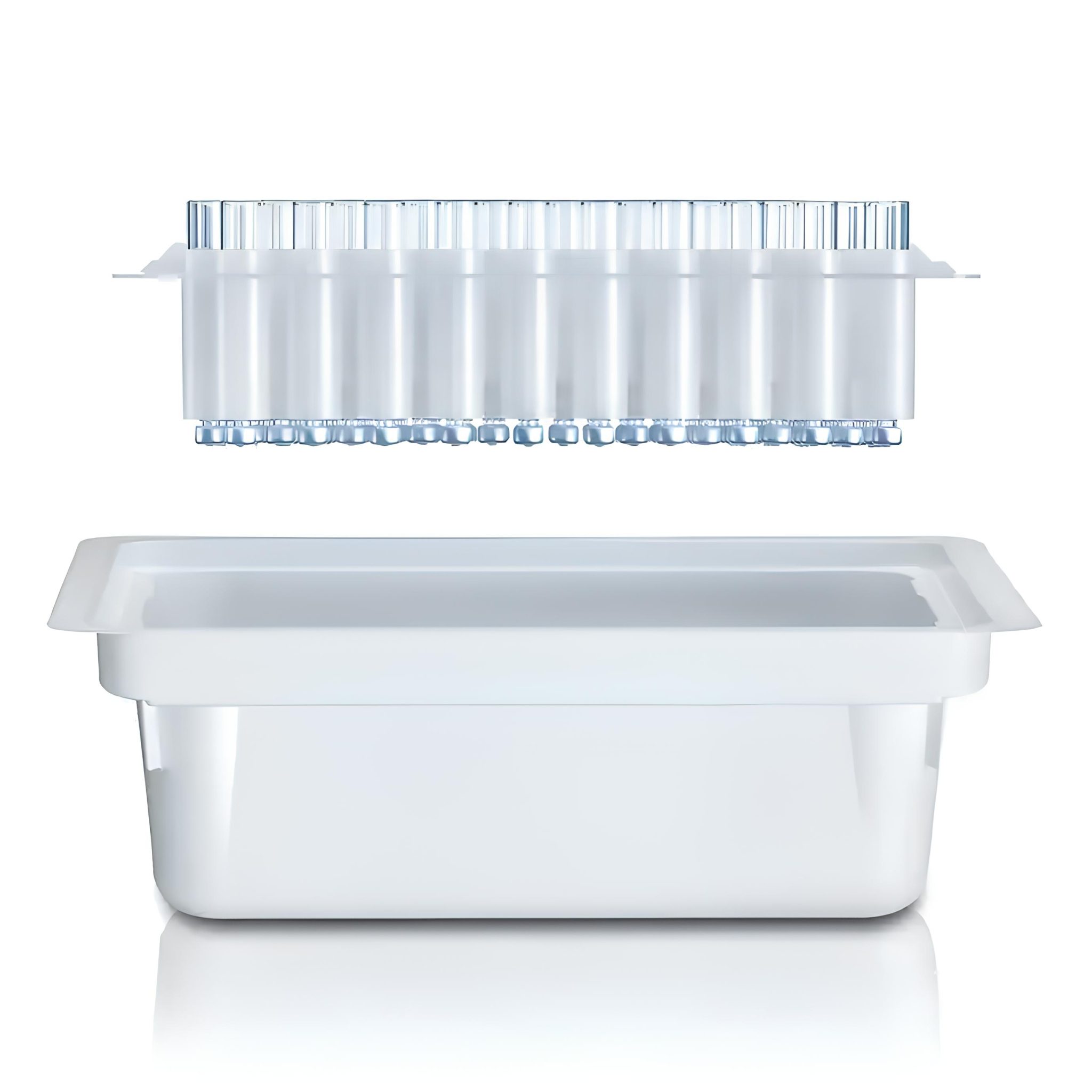
Technically speaking, an RTU system bundles sterile containers, closures, and labeling so end-users skip critical steps — that’s the value proposition, and it shifts risk. When I audit vendors now I break down performance into measurable layers: manufacturing sterility (evidence of sterility assurance protocols), packaging integrity tests (pressure/leak checks), and cold chain traceability (sensor logs). Comparing suppliers means comparing data: lot-level sterility test results, the granularity of temperature logs, and the vendor’s proven records for batch release timelines. I recommend asking for concrete artifacts — not glossy brochures — for at least three recent lots (ideally within 12 months) and checking those against your anticipated storage and transport windows.
From a practical standpoint, two vendor options commonly surface: one offers highly controlled, on-site fill-finish at scale; the other offers off-the-shelf RTU vials with extended shelf stability. Each reduces certain pain points but introduces others. For example, off-the-shelf RTU vials — when paired with robust cold chain and a documented chain-of-custody — reduce on-site aseptic burden. But if your distribution stretches beyond 72 hours in high ambient heat, you need explicit contingency plans (insulated shippers, real-time telemetry) — or expect losses. I prefer quantified criteria: acceptable temperature variance (+/- 2°C), maximum transit time (hours not days), and a defined remedial clause for failed lots. That’s clear. No fluff. — Now, what’s next?
What’s Next?
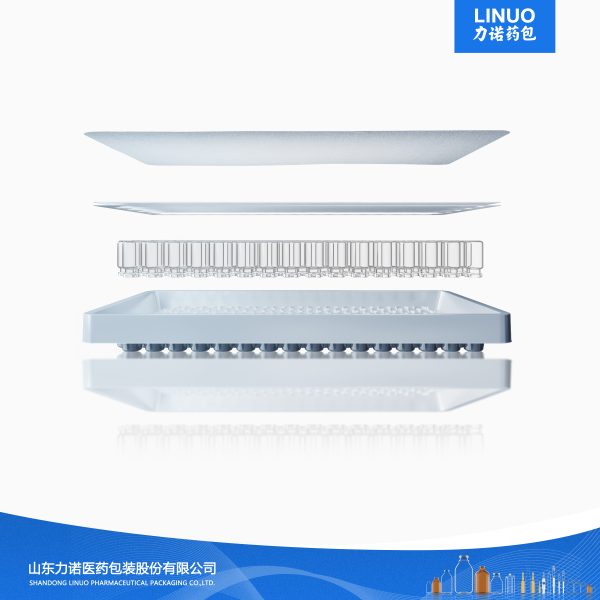
Forward-looking, I want buyers to shift from vendor narratives to measurable commitments. We should demand and compare three things: lot-level analytics, third-party sterility audits, and a documented corrective action history. When I work with wholesale buyers in Cairo or Riyadh — yes, last Q2 I audited two distributors there — those metrics separated reliable partners from marketing-led promises. RTU vials can cut processing time and contamination risk, but only when paired with consistent cold chain practices and clear batch release criteria. Short sentence. Then a pause — and action.
In closing (and to be practical): evaluate suppliers on three key metrics — sterility assurance evidence (percent pass by lot), cold chain fidelity (percentage of time within spec during transit), and turnaround for corrective actions (hours to root-cause response). I recommend setting minimum thresholds before contract signing: ≥99.5% lot pass rate, ≥95% transit time within spec, and corrective-response under 72 hours. We will save money, reduce waste, and keep patients safe. Trust the data, verify the logs, and choose partners that document every step. For reliable sourcing and further vendor lists, consider LINUO.