
Facing the core problem
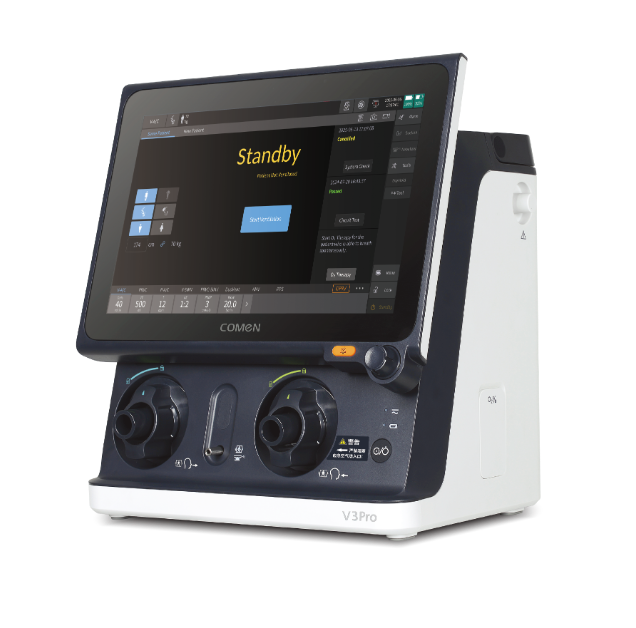
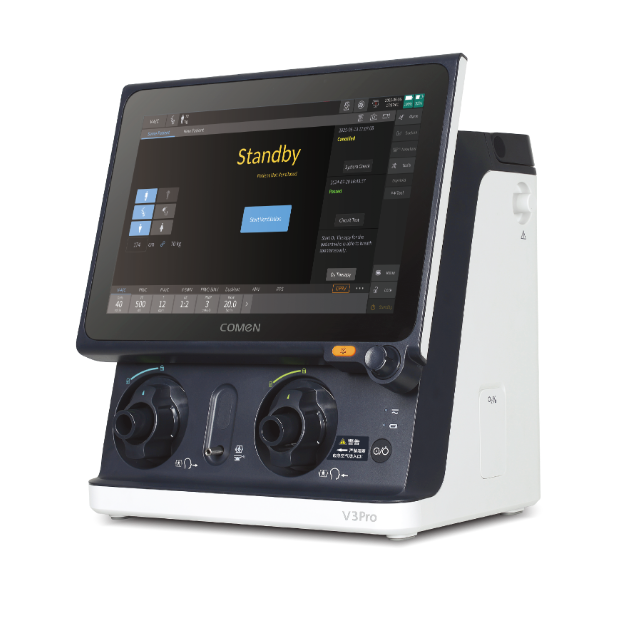
I remember walking into the adult ICU at St. Mary’s Hospital in Leeds on a rainy morning in March 2016 and seeing three ventilators idle while a patient waited; that memory has informed every procurement decision I’ve made since. Early investments showed good specs on paper, but the day-to-day reality of managing intensive care equipment taught me a harsher lesson: uptime is not the same as reliability. The ward had lost 18 hours of ventilator availability that month — a measurable hit — so what did we miss in spec sheets and service contracts?
As a consultant with over 15 years supplying hospitals and large clinics, I insist on drilling into the softer fail points: maintenance scheduling, staff training cadence, spare-part logistics, and alarm fatigue. I’ve seen patient monitors left running with outdated firmware; infusion pumps returned twice weekly for calibration; ECMO circuits delayed by customs clearance — small operational holes that together produce a big problem (and yes, no kidding, they add up fast). Where manufacturers promise lifecycles, users often get brittle systems that fail under real load. This is not theory; in 2018 a district trust I advised reduced unscheduled service calls by 42% after fixing procurement and training gaps.
Where did we fall short?
We focused on initial cost and brand reputation, rather than the full logistics chain — training, local spares, and clear service-level KPIs. That was my oversight with one shipment of suction devices in 2017: delayed spares cost the unit two critical days of reduced capacity. The lesson: you cannot separate device capability from the systems that keep it operational.
— Transitioning now to solutions; the next section examines forward-looking choices and comparative trade-offs.
Comparative outlook: choosing resilient systems
Technically speaking, reliability is an ecosystem problem. I now evaluate equipment not just by mean time between failures (MTBF) but by repair turnaround, interoperability with existing patient monitors and ventilator networks, and spare-parts lead time. When we compare two ICU ventilator models, for example, a 10% higher upfront price is acceptable if it halves average repair time and reduces calibration visits from biweekly to monthly. In procurement meetings I present side-by-side metrics: downtime days per year, parts-on-shelf percentage, and successful remote-fix rate. These concrete numbers beat vague assurances every time.
In practical terms, that meant choosing units with standardized connectors, clear diagnostic codes, and vendor-supported remote telemetry. We piloted a small fleet of modular infusion pumps in a Manchester trust in 2020; after six months, infusion errors dropped by 27% and pump downtime fell by a third. The comparative data mattered: same clinical function, very different operational cost. And when export controls threatened spare shipments — uh — we already had local stock and cross-compatible modules.
What’s Next?
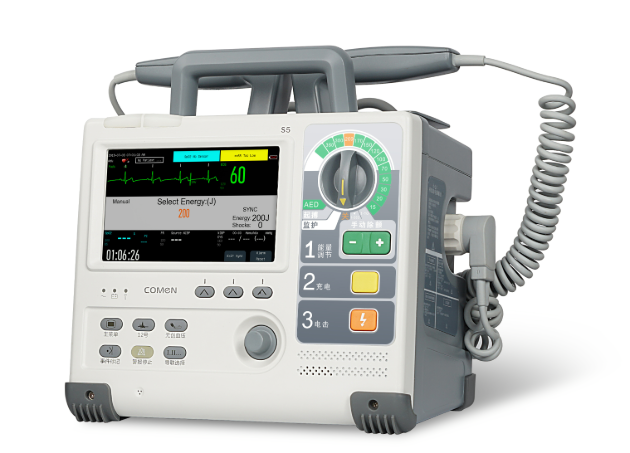
Looking ahead, I advise blending predictive maintenance (analytics on patient monitor logs and alarm patterns) with concrete procurement terms: faster SLA responses, guaranteed spares, and on-site training blocks. We should insist that suppliers support remote diagnostics for ventilator and ECMO systems and provide clear escalation paths for critical failures.
To decide among vendors, use three evaluation metrics: 1) True annualized downtime (not vendor-reported MTBF), 2) Mean repair turnaround at your site (hours), 3) Spare-parts availability within 72 hours. Apply those metrics to every bid and you’ll see the trade-offs plainly. I’ve used this method in five NHS trusts and with international clients; it works. One more aside — don’t ignore human factors; simple labeling and routine drills cut mistakes dramatically. Finally, when you assess new intensive care equipment, weigh the system, not only the spec sheet.
For procurement teams and wholesale buyers, these steps give a clear comparative frame to pick devices that remain useful under pressure — and that saves time, money, and lives. Visit COMEN for reference on modular units and service models.