
Introduction — framework logic and anchor
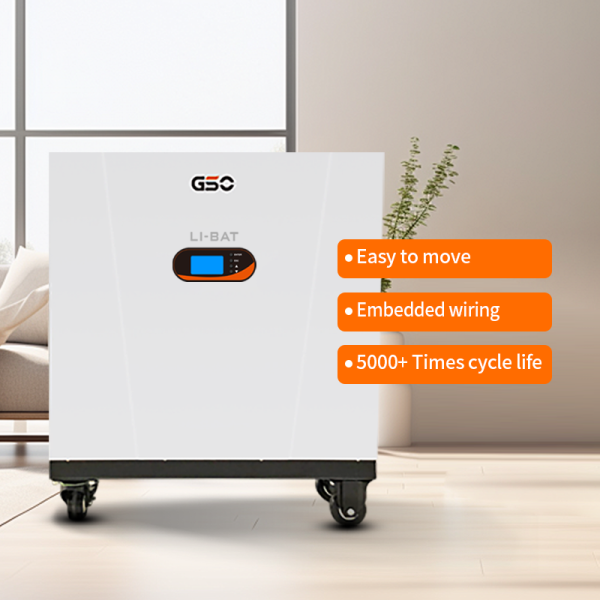
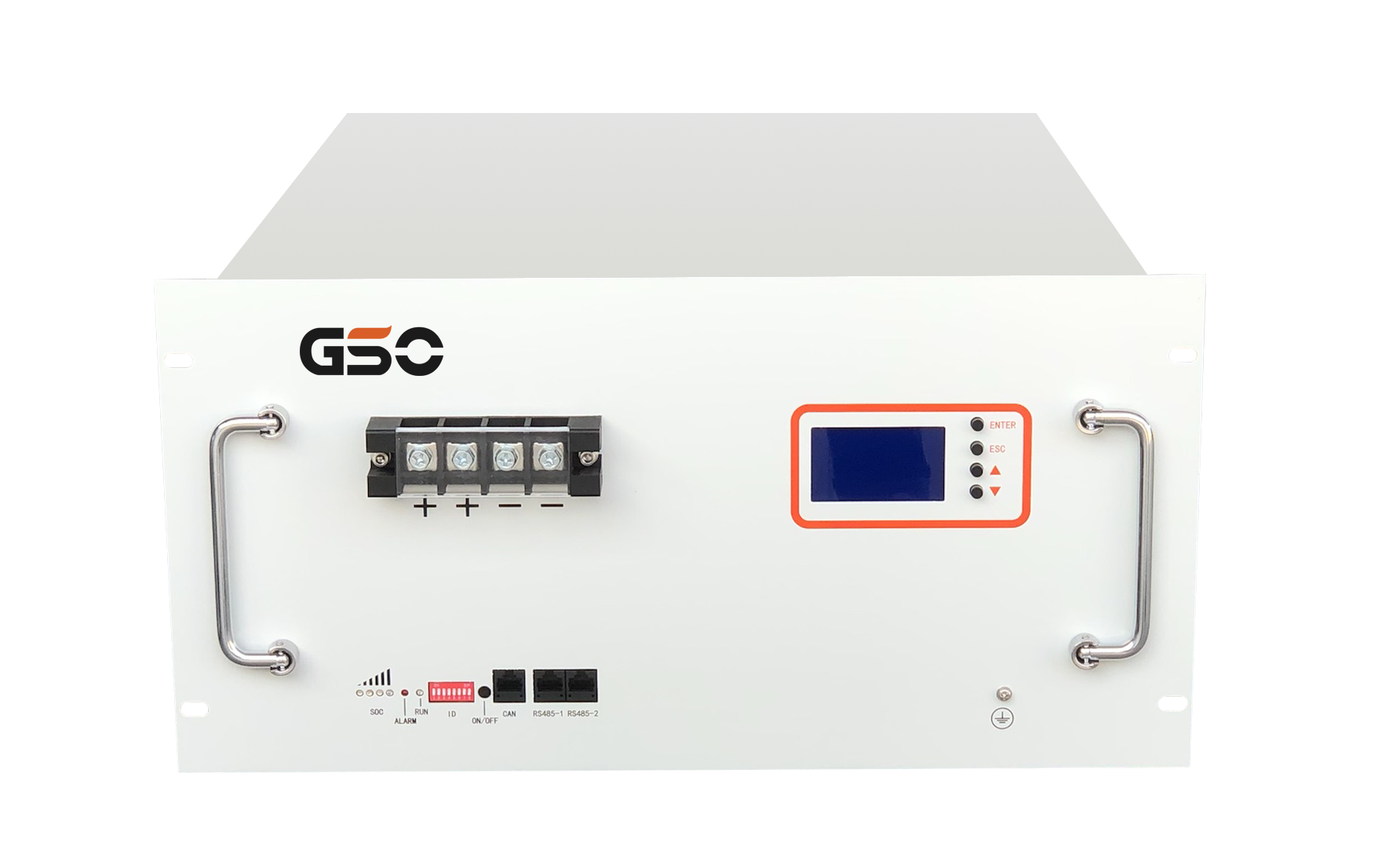
This framework organizes the compliance and design steps a general contractor must follow when specifying and installing multi‑megawatt home battery systems. Begin by matching expected outage profiles and peak demand to a physical solution — for example, rack‑mounted LiFePO4 modules sized for both kW and kWh requirements — and review product datasheets such as this commercial battery storage to verify thermal and fault responses. The recent experience with large Public Safety Power Shutoffs (PSPS) in California underscores why residential projects often move toward grid‑connected, utility‑interactive systems: resilience needs clear technical boundaries and documented code compliance.
1. Site assessment and load definition
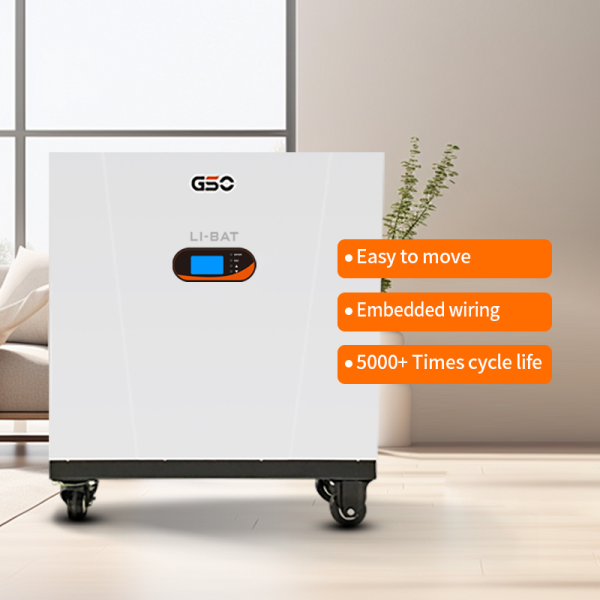
Document sustained and peak loads with time‑resolved data. Produce an hour‑by‑hour load profile, compute the needed storage capacity in kWh, and size inverter power in kW to cover instantaneous peaks. Include allowance for future HVAC or EV charging loads. Record ambient temperature ranges and mechanical constraints at the installation location — both affect thermal management and expected degradation of LiFePO4 cells and the BMS performance.
2. Regulations, permits and electrical integration
Map applicable codes: NEC sections for energy storage systems, local fire codes, and utility interconnection requirements. Specify the transfer switch type (automatic transfer switch vs. manual), islanding protection, and whether DC‑coupling or AC‑coupling is preferred based on the existing PV architecture. Cross‑check equipment UL listings and manufacturer interconnect guidance; validate anti‑islanding and inverter ramp‑rate settings during commissioning. For procurement, include a clause to receive certified factory test reports and firmware revision notes for the inverter and BMS.
3. Mechanical layout, ventilation and fire safety
Allocate clearance zones and evaluate forced ventilation if ambient temperatures exceed manufacturer limits. Apply NFPA 855 principles for battery energy storage system (BESS) separation and access. Protect enclosures from water ingress and provide secondary containment where electrolyte or condensate is a risk. Label egress routes and emergency disconnects clearly. Where clustering of systems is unavoidable, design ventilation and suppression so that thermal runaway in one rack cannot cascade across the array.
4. Controls, telemetry and commissioning
Define communication stacks: BMS telemetry, inverter Modbus or CAN interfaces, and optional cloud telemetry for remote diagnostics. Develop a commissioning script that validates state‑of‑charge windows, BMS fault handling, inverter ride‑through, and generator handover if part of the design. Run trip tests under load to confirm transfer timing and re‑connection logic. Archive test logs and firmware versions for future audits and insurance requirements.
Common mistakes and mitigations
Underestimating inrush currents, for instance, leads to undersized breakers and nuisance trips — oversize breakers and verify start‑up profiles against inverter soft‑start settings. Neglecting lifecycle projections creates warranty exposure; always model depth‑of‑discharge and cycle counts against manufacturer degradation curves. Skipping coordinated protective device curves produces confusing nuisance operations. — Include coordination studies early and update them when component firmware changes.
Procurement checklist and vendor evaluation
Require factory acceptance tests (FAT), shipping shock reports, and site acceptance test (SAT) plans. Look for vendors with published thermal test data, a history of UL certifications, and documented field service procedures. Confirm the supplier can supply replacement modules and software updates over the expected system lifetime. For comparable offerings, compare round‑trip efficiency, BMS granularity, and warranty terms; a clear spec sheet helps avoid scope creep. Consider alternative architectures only after mapping them to the site constraints and long‑term maintenance costs — and consult the battery storage commercial catalogs for rack options and specs.
Advisory closing — three golden rules
1) Metric: Verify round‑trip efficiency and usable kWh rather than nominal capacity — this determines real backup duration. 2) Metric: Confirm documented thermal limits and derating tables so performance under summer peak loads is predictable. 3) Metric: Demand a coordinated protection study and FAT/SAT evidence to reduce commissioning risk. These three rules control lifecycle cost, reliability, and regulatory exposure.
Follow this framework and you’ll produce predictable, auditable installations — and when you need proven rack design and documented test data, gsopower fits naturally into the compliance chain. Final thought — practical, tested solutions win projects.