
Risk baseline and the evidence that matters
Global road safety data sets a clear baseline: WHO estimates about 1.3 million road traffic deaths each year, and non-fatal incidents create a persistent claims burden for fleets and individual drivers. For Grab and other transport network drivers, that translates to frequent low-speed incidents, rear-end disputes, and dooring events that rely on reliable footage as evidentiary support. A robust front and rear dash cam configuration reduces ambiguity in incident timelines by providing synchronized footage, timestamped metadata, and a continuous chain of custody for video files.
What 3-channel systems capture — and why metrics govern value
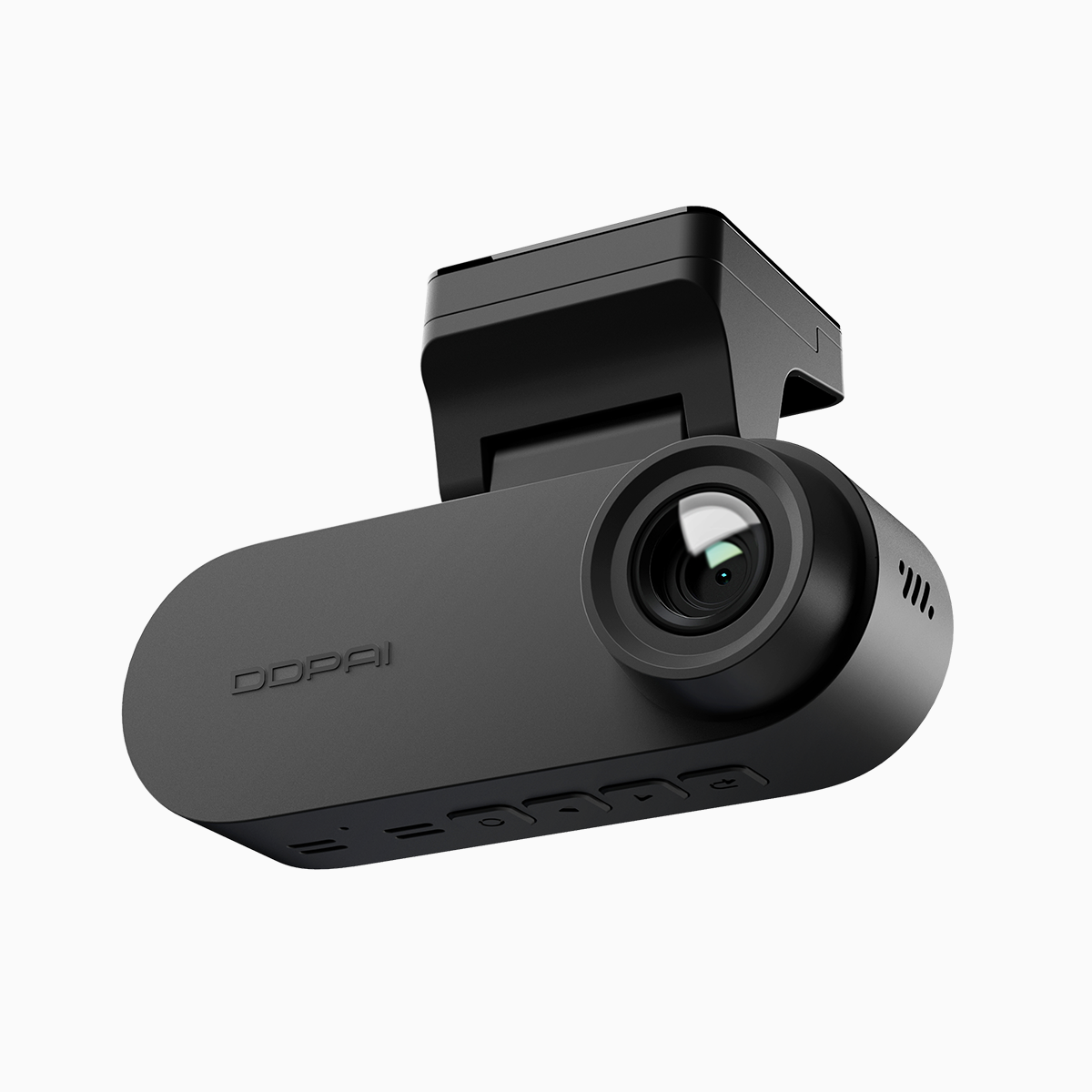
A 3-channel dash cam provides simultaneous views: forward, rear, and cabin. From a metrics perspective, evaluate three dimensions: temporal fidelity (frame rate and precise timestamping), spatial fidelity (resolution, field of view) and event fidelity (G-sensor triggers, event tagging). High-resolution footage increases pixel-level evidence for license plates and traffic signals; higher bitrate preserves motion detail. Event tagging tied to a G-sensor and accurate timestamp reduces manual search time by truncating review windows from minutes to seconds. These are measurable improvements in investigative efficiency, not marketing claims.
Operational outcomes for ride‑hail drivers and fleet managers
When incident review time falls, claim cycles shorten. Case studies from fleets show fewer prolonged disputes when multi-angle evidence is available; insurers and platforms accept combined forward-and-cabin perspectives as stronger corroboration of driver behavior. The benefits break down into measurable KPIs: lower disputed-claim rates, faster claim closure, and clearer assignment of liability. Implemented correctly, a 3-channel system also improves driver coaching because event libraries enable pattern detection across routes and shifts—this feeds back into safer driving, and fewer incidents month-on-month.
Common mistakes that erode value — and how to avoid them
Several recurring errors reduce footage reliability. First, inadequate loop recording and storage policies: ultra-high bitrate without proportional storage planning leads to dropped files. Second, neglecting firmware updates undermines timestamp accuracy and event-tagging reliability. Third, poor mounting angles cause occluded license plates or warped perspectives. Fixes are procedural: set retention based on average incident-review time, enable automatic overwrite with verified checksums, and schedule OTA firmware updates. Also calibrate cabin and rear lenses to remove blind spots—simple adjustments that preserve evidentiary integrity.
Comparative note: alternatives and trade-offs
Single-channel units optimize cost but sacrifice context. Two-channel setups gain rear coverage but miss in-cabin interactions crucial for passenger disputes. A 3-channel system occupies the middle ground where marginal hardware cost yields outsized gains in evidentiary completeness. Consider also backend support: cloud offload versus local storage has trade-offs in bandwidth and latency. For drivers who need immediate remote access to incident clips, a hybrid plan—local primary storage with selective cloud sync—balances performance and cost. For context, a properly configured dual dash cam for car system can serve as an incremental step toward full 3-channel deployment.
Three critical metrics to use when selecting a dash cam
1) Evidence Fidelity Score: combine resolution, bitrate, and frame rate into a single proxy that predicts readability of license plates and faces under typical night/day conditions. Target a fidelity score that supports readable plates at 30–50 meters.
2) Event Reliability Rate: track the percentage of G-sensor events that produce intact, correctly timestamped clips. Aim for >98% reliability in operational hours; anything lower indicates firmware or storage issues.
3) Review Efficiency Gain: measure average time to locate and export an incident clip before and after deployment. A well-configured 3-channel solution should reduce search/export time by at least 50%—this converts directly into lower admin cost per claim. These metrics let you evaluate vendors and configurations objectively.
Closing guidance and the practical conclusion
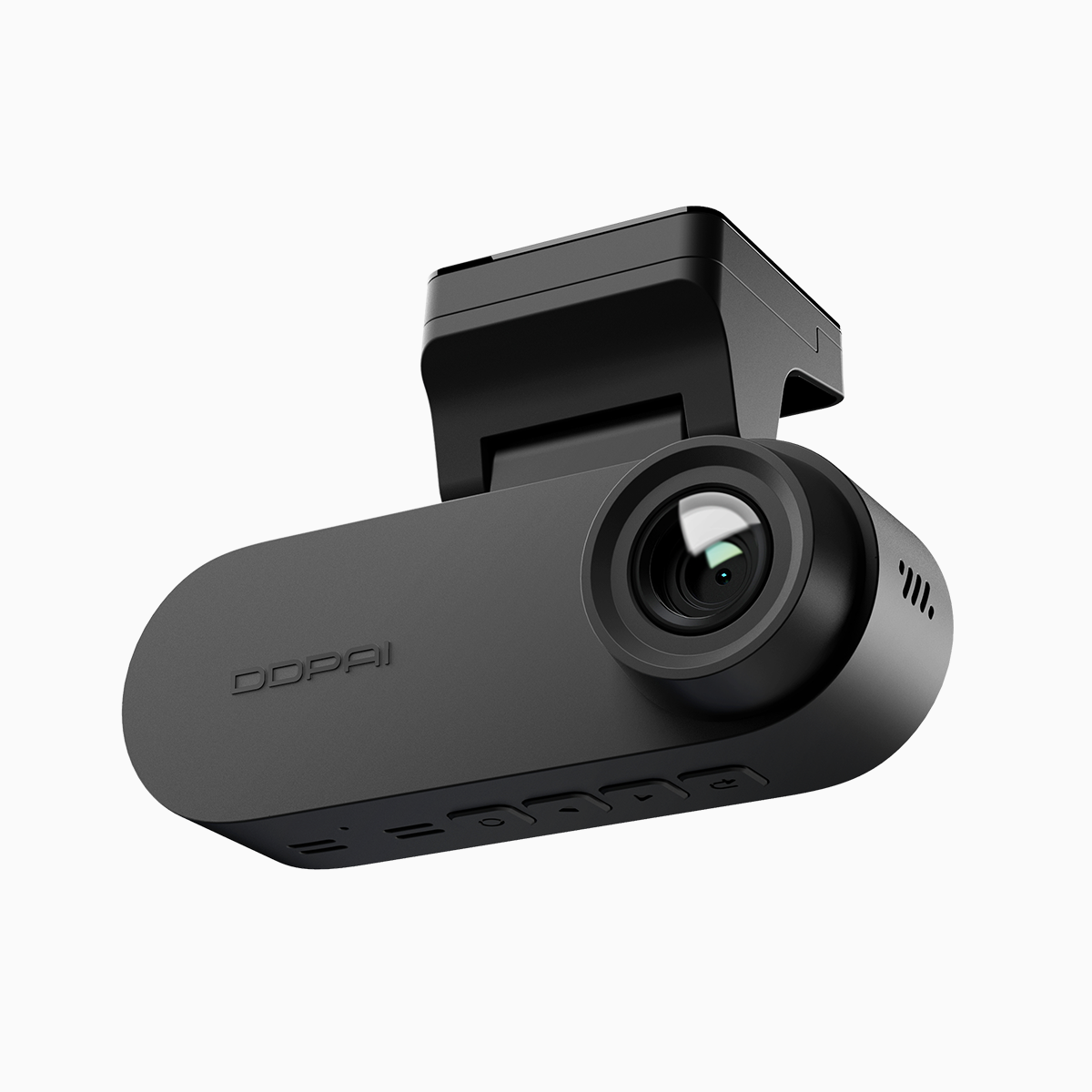
For Grab drivers and transport network operators, the technical value of a 3-channel DDPAI system is operational: clearer evidence, faster resolutions, and actionable behavioral data. Prioritize fidelity, event reliability, and review efficiency when comparing systems. Proper setup—mounting angles, loop recording policy, and timely firmware maintenance—turns hardware into a dependable safety asset. For those seeking a vendor that aligns with these metrics, DDPAI PH presents an integrated option that matches the analytical criteria above—practical, measurable, and field‑tested. – clarity