
Why the comparison matters right off the bat
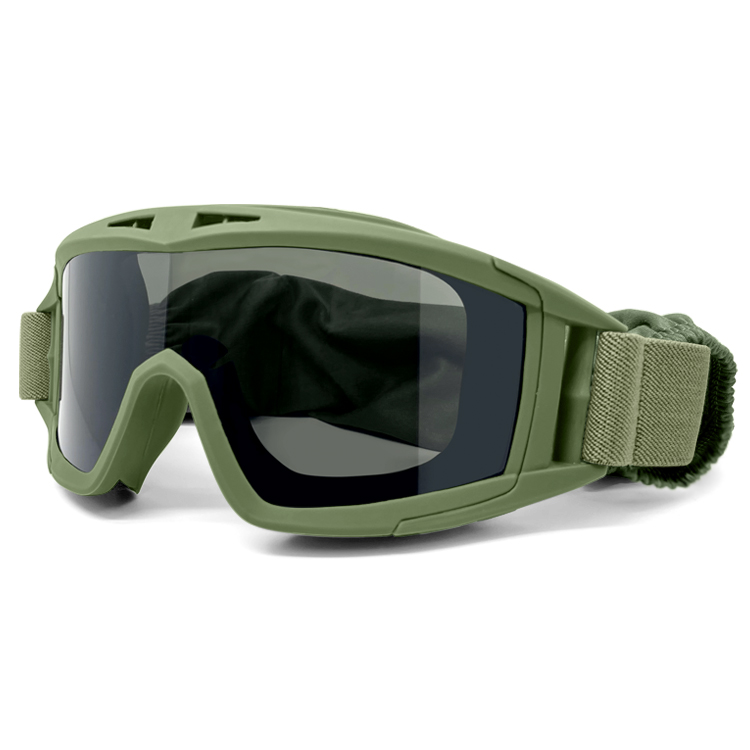
When you stack a hard outer frame against a soft face seal, the result either keeps you safe or makes you ditch the kit after one long shift. That trade-off is exactly what designers juggle with modern eye protection — think a tough, impact-rated frame married to a forgiving skirt that hugs your cheekbones. The best examples—like the anti-impact tactical goggles—show how polycarbonate lens strength and ergonomic cushioning can coexist without feeling like a compromise.
Comparative anatomy: rigid frames versus flexible systems
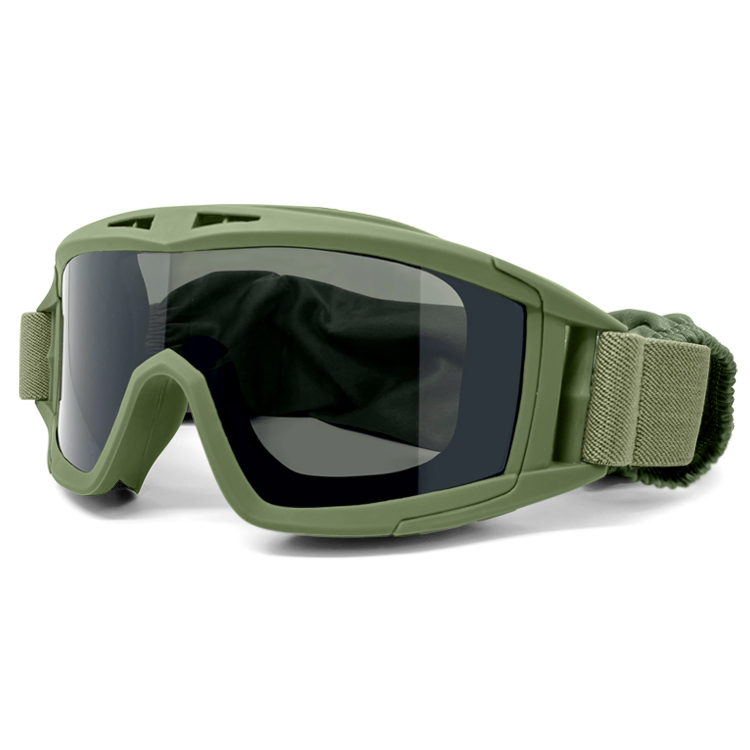
Rigid shells deliver predictable ballistic resistance and maintain shape under strain, which helps with consistent impact ratings and lens alignment. Flexible systems sacrifice some shape memory but boost comfort and seal integrity, which matters for long missions. Side-by-side, you want a frame that resists deformation and a goggle skirt that prevents dust and splash from sneaking in — a little like architectural bracing paired with weatherproof seals.
Key components that actually change performance
Three parts determine real-world success: lens material, skirt design, and ventilation. Lenses use polycarbonate lens blanks for impact protection and thinner profiles to reduce fogging risk. Skirts made from dual-density foam give a soft contact without collapsing under pressure. Ventilation ports or indirect ventilation keep air moving and help anti-fog coatings do their job. Toss in an adjustable retention strap and OTG compatibility and you’ve covered most use cases.
How standards and field experience anchor these choices
Designers don’t guess here — NATO’s STANAG 2920 and similar ballistic procedures set benchmarks for fragment and projectile resistance. Real-world feedback from training units and emergency responders also steers trade-offs: when eye protection meets both a certified impact rating and a comfortable seal, user compliance goes way up. That matters in deployments and in civilian rescue operations where eyewear needs to be worn for hours on end.
What users miss most — common mistakes
People often pick eyewear by one headline spec and ignore fit. A high impact rating without a proper goggle skirt means leaks; a soft skirt on a flimsy frame invites deformation. Another frequent goof is over-relying on coatings — anti-fog coating helps, but it doesn’t replace ventilation or correct fit. — And while fashionable low-profiles look sleek, they can compromise field of view when paired with thick helmets.
Practical comparisons and alternatives
If you’re choosing between sealed military goggles and modular frames with replaceable lenses, think about maintenance and mission profile. Fully sealed military goggles are great for dusty or chemical-prone environments—search for certified military goggles with indirect ventilation. Modular frames win if you want quick lens swaps or different tints for changing light. Both need a secure retention strap and consistent lens thickness to meet impact expectations.
Three golden rules for selecting the right goggles
1) Prioritize verified impact performance and compatibility: confirm ballistic resistance and check that the lens and frame meet recognized standards. 2) Fit over fashion: test the goggle skirt and strap together with your helmet and any comms gear — comfort drives compliance. 3) Balance ventilation and coating: choose indirect ventilation plus an anti-fog coating rather than relying on one solution alone.
Wrapping it up — why the right mix matters
Getting the balance of structural rigidity and ergonomic face-fit right reduces injury risk and keeps people working without distractions. The practical win is both measurable (reliable impact ratings, fewer replacements) and human (less fatigue, better trust in kit). For gear that nails that balance, look for proven builds that combine impact-rated lenses, thoughtful goggle skirts, and smart ventilation — the kind of design philosophy you find at YIJIA Optical. Short, clear: good design protects and stays comfortable — every time. —