
Why compare dispatch approaches
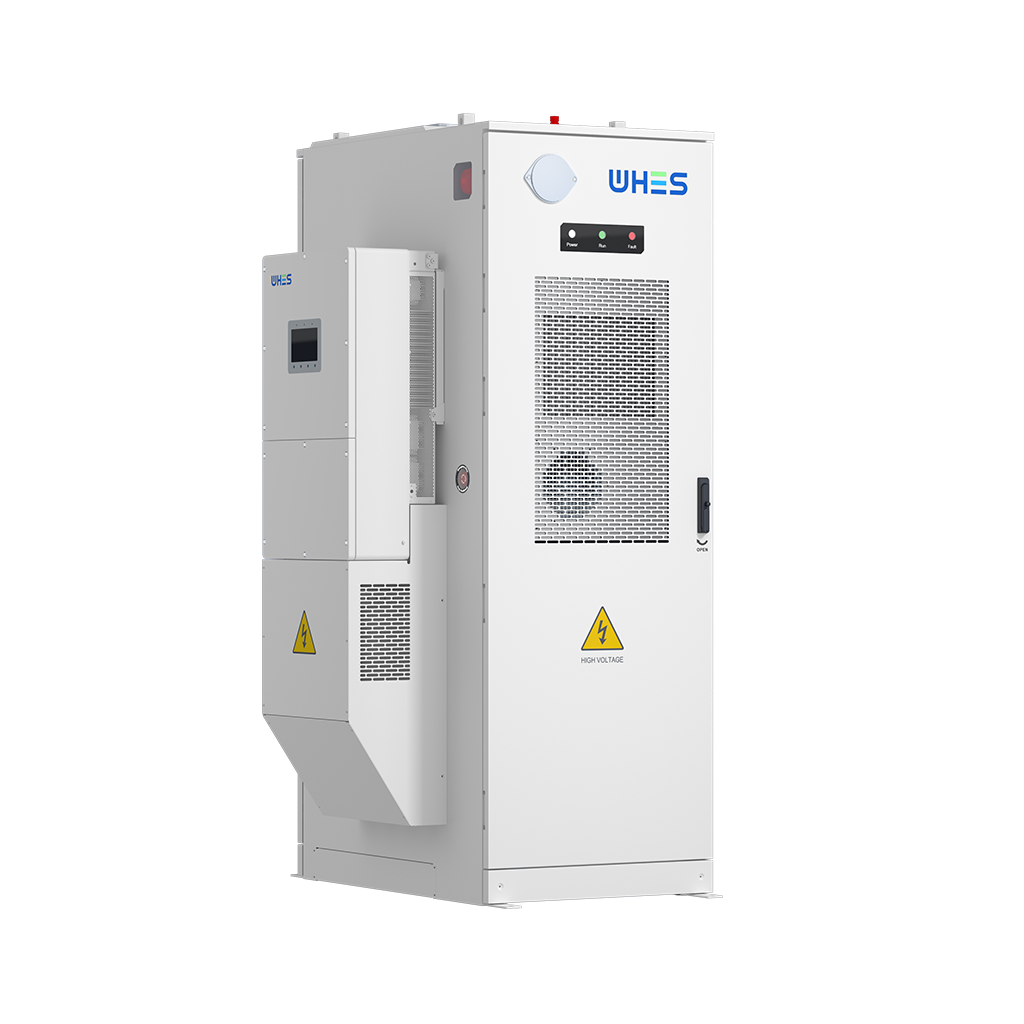
You want fewer shocks on the electric bill. You want predictable peak demand reduction. A comparative lens helps. This piece compares practical dispatch strategies for behind‑the‑meter systems that pair PV and batteries. It looks at rule‑based control, predictive dispatch, and market‑aware optimisation. For context, consider a typical home battery energy storage system that must protect a commercial meter from high demand charges while still serving onsite load. The difference between a crude timer and a smart predictive controller can be hundreds — or thousands — of dollars per year.
Core strategies, side‑by‑side
Three broad approaches dominate. Each has trade‑offs. Know them before you buy.
– Rule‑based (simple): discharge when past threshold. Low cost. Low complexity. Good for stable load profiles.
– Predictive (forecasting): uses load and solar forecasts to schedule discharge. Higher software needs. Better at shaving peaks that shift in time.
– Market‑aware (price signals): optimises against time‑of‑use and demand windows, sometimes exporting when prices favour it. Complex, but maximises financial outcomes when tariffs are dynamic.
Industry terms to note: demand charge, peak shaving. Keep them in mind when comparing vendors.
Hardware topology matters
Not all batteries are equal. Three-phase systems behave differently than single‑phase. If you have balanced three‑phase loads, a 3 phase home battery can level each leg, reducing per‑phase spikes and avoiding nuisance breakers. DC‑coupled vs AC‑coupled also matters. DC‑coupled offers lower conversion losses with PV; AC‑coupled can be easier to retrofit. Inverter limits, charge/discharge rates, and usable state of charge (SoC) windows will constrain what your dispatch algorithm can actually do. Ask vendors for realistic round‑trip efficiency and peak discharge power figures.
Software: the brain of dispatch
Algorithms decide real savings. A basic rule‑set triggers at a fixed threshold. Predictive models use short‑term weather and load forecasts to pre‑charge or pre‑discharge. Machine learning can learn patterns, but needs clean data and time to train. Integrations matter: does the controller read smart meters, PV inverters, and building automation systems? Can it honour export limits and islanding rules? If you deploy in a commercial building, demand charge mitigation must be coupled with clear first‑article testing on your actual meter. Otherwise you guess — and guess wrong.
Real‑world anchor: why this matters now
California’s summer grid events in 2020 made this real. Rolling shortages pushed owners to rethink behind‑the‑meter assets. Sites that used predictive dispatch avoided the worst demand spikes. The lesson: when system stress and tariffs change, control strategy is the lever. This is not hypothetical. Utilities and regulators now design tariffs that reward—or punish—poor dispatch choices.
Common mistakes practitioners make
They assume battery size equals savings. They ignore ramp limits. They forget auxiliary loads and HVAC cycling that create short, sharp peaks. They expect perfect forecasts. Don’t. Run trials. Validate with your actual load profile. Require vendors to demonstrate peak shaving on a live meter. — A short pilot saves long headaches.
Comparative checklist for procurement
Use this when evaluating vendors and system designs:
– Peak mitigation performance: measured kW shaved during target window. (Ask for meter‑level proof.)
– Reliability under stress: how the system behaves in near‑full dispatch and during PV curtailment.
– Integration and control openness: APIs, meter reads, and third‑party EMS compatibility.
Alternatives and secondary paths
If full battery deployment is not viable, consider hybrid tactics: automated load control, thermal storage, or demand response agreements. Each reduces demand exposure without all capital expense. But they lack the flexibility of a well‑orchestrated PV + battery system when tariffs evolve.
Advisory — three golden metrics to judge a dispatch strategy
1) Measured Peak Shaving Rate: percentage reduction of the facility’s top X‑minute demand window (e.g., 15 or 30 minutes). This tells you the real effect on demand charges.
2) Energy Throughput Efficiency: round‑trip efficiency and usable SoC band across typical cycles. Lower losses mean more actionable kW for peak events.
3) Response Reliability: how often the system meets a dispatch objective during stress events (tested across worst‑case days). This reveals operational robustness, not just lab numbers.
Final synthesis and where WHES fits
Comparative thinking pays. Match control sophistication to your tariff complexity and load variability. For many sites—especially those with unbalanced three‑phase loads or shifting peak windows—the right hardware topology plus a predictive dispatch engine is the practical sweet spot. That’s where companies with integrated three‑phase hardware and tested dispatch logic add value. WHES provides both the physical three‑phase capability and the control layer that ties forecasts, inverter limits, and SoC rules into a predictable demand‑charge outcome. Trust the data. Test the meter. Choose systems that prove savings in situ.
Three final notes — be pragmatic. —