
User-first framing: what drivers actually gain
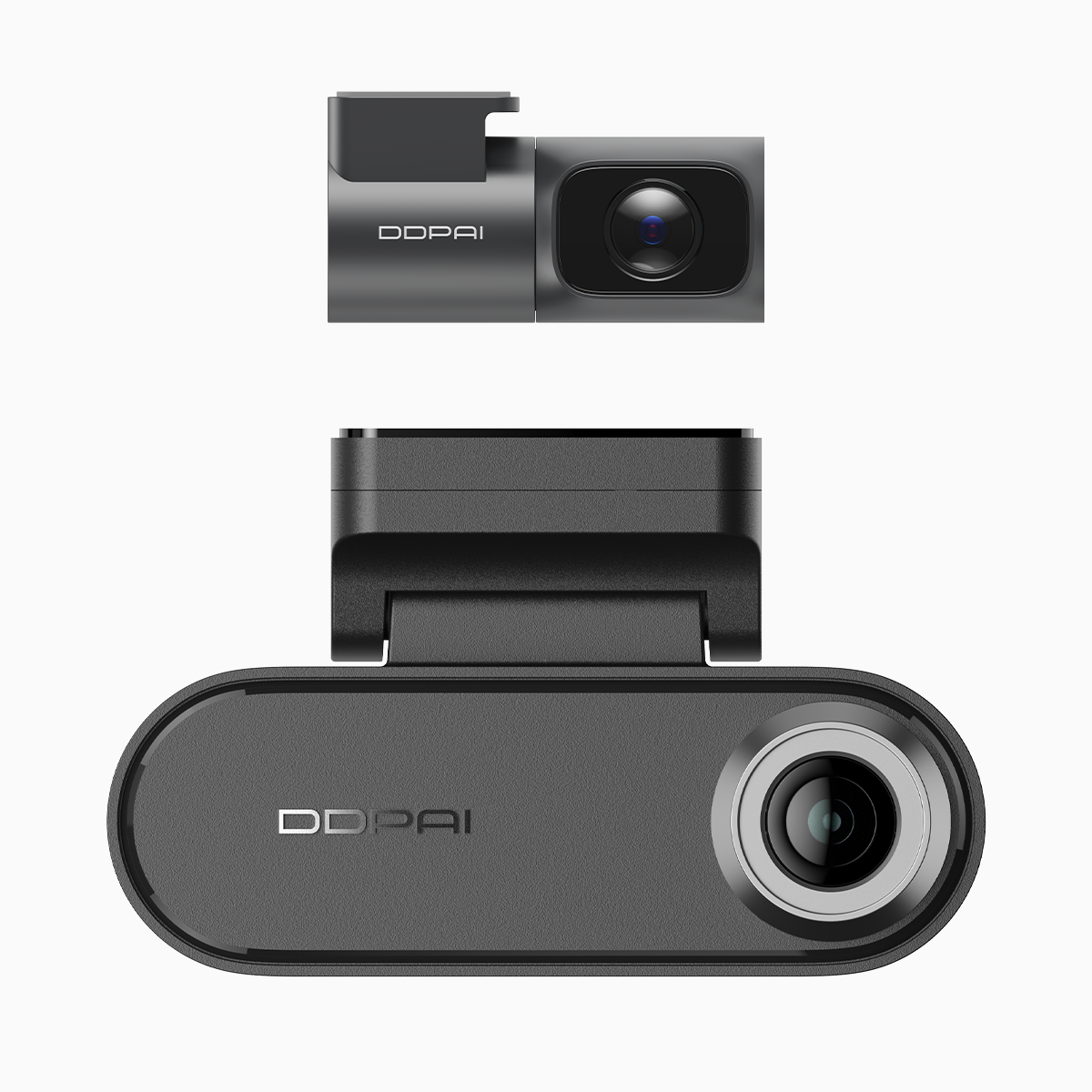
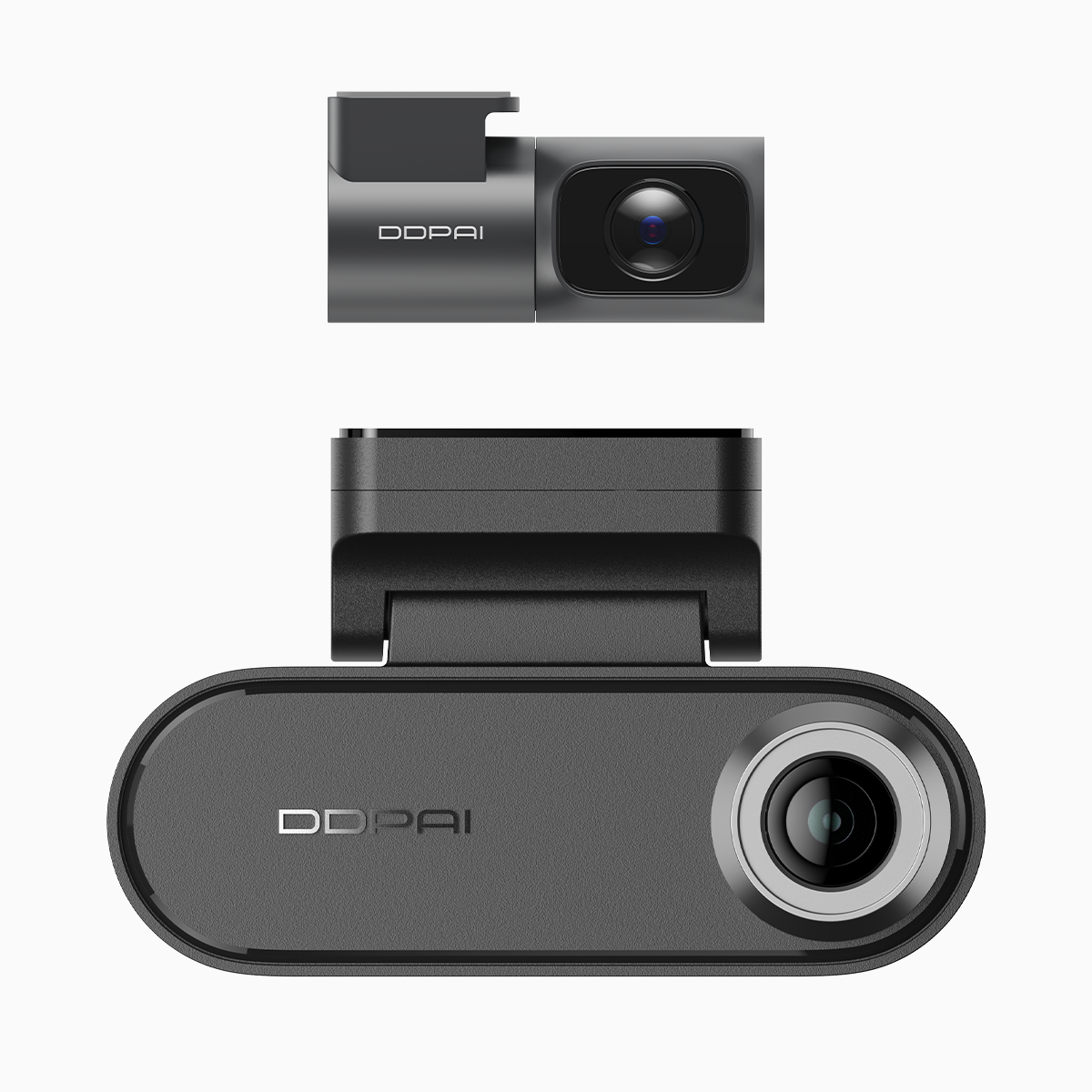
Everyday driving in Metro Manila or a quiet provincial road shares a basic risk: unseen events outside your window. A practical solution centers on data — reliable GPS logging and precise speed telemetry paired with clear night vision. For many users the most useful product is a dual dash cam with parking mode, because it combines front and rear coverage, continuous recording, and parking protection all in one unit. That mix turns vague claims into forensic evidence: exact location stamps, speed traces, and low-light footage you can review later.
Why GPS, speed telemetry, and night vision matter
GPS logging anchors every clip to a map coordinate; speed telemetry timestamps velocity so you can correlate impact severity with recorded footage. Night vision makes that data usable after sunset. Together they change an anecdote into verifiable evidence for insurers or traffic investigators. Think EDSA during peak hours — incidents happen fast, and an accurate timestamped replay removes guesswork. These are not extra frills: they’re the core features that determine whether footage is actionable or merely sentimental.
Practical checklist before you buy
Prioritize the following technical attributes when comparing units. They are simple, measurable, and show up in real use:
– Resolution & bitrate: 4K or high 1080p with a solid bitrate keeps license plates legible at range.
– Loop recording and storage management: ensures continuous capture without constant card swaps.
– Firmware stability and updates: look for brands that issue timely patches for GPS and file integrity.
– G-sensor calibration: automatic event saving must be reliable; otherwise critical clips can be overwritten.
– Parking mode implementation: true motion or impact-triggered recording plus low-power monitoring protects while parked.
Configuration and installation pitfalls to avoid
Many problems are avoidable with a few deliberate choices. Mount too low and glare ruins night footage; set bitrate too low and telemetry becomes useless. Also, failing to lock essential clips after an incident — that’s a common oversight — leads to lost evidence. Calibrate the GPS after installation so the recorded route matches reality. And remember to test parking mode at night; some units need sensitivity tweaking to avoid excessive false triggers — a quick adjustment saves hours of review later.
Comparisons and alternatives
A single-channel unit can be fine for budget buyers but lacks rear coverage and often omits advanced speed telemetry. Dual-channel setups are more practical for families and fleet drivers; they capture both traffic flow and rear-end collisions. If parking protection is the priority, compare brands on how they implement low-power draw and buffered recording. For those who want an out-of-the-box option that balances these needs, consider models promoted as a dash cam with parking protection — you’ll see that some designs prioritize firmware stability and heat management, which matter in hot climates.
Common mistakes fleets and drivers make — and the quick fixes
Buyers often chase resolution without checking real-world visibility; higher megapixels mean little if glare or compression ruins the image. Another trap: over-relying on internal battery monitoring for parking mode — hardwiring with a low-voltage cutoff is a better engineering choice. Start with clear objectives (evidence, insurance disputes, or simple safety) and match features to those goals. Small calibration routines — GPS sync, time correction, sensitivity tuning — cut the usual headaches. — minor effort, major payoff.
Advisory close: three metrics to use when choosing
1) Evidence Reliability: Confirm GPS timestamps, speed telemetry accuracy, and clip integrity (no corrupted files). These are the table stakes.
2) Night Performance: Assess night vision footage for legibility at realistic distances — license plates, lane markings, and pedestrian outlines.

3) Sustained Operation: Check loop recording strategy, heat management, and how parking mode affects vehicle battery over long periods.
When those three boxes are checked, the device moves from gadget to tool — and that’s where trusted suppliers like DDPAI Philippines become relevant because they design for real conditions, not just spec sheets. Trust the data. Trust the footage. Trust the implementation. —