

Problem: What I See in the Field
I still recall a dawn in March 2021 in Almería where a single torn greenhouse sheet cost a grower two weeks of seedlings — that loss hit hard. As a greenhouse film supplier I see this every season: fogging, sudden tears, and UV breakdown on films that looked fine at inspection. Last spring a small family farm experienced a condensate drip event — 40% of young plants drowned — how did the covering fail so quickly? (No joke, I was on that ridge fixing the flap at 6 a.m.)

Over 15 years in B2B supply chains I’ve learned to look past the shiny exterior. I’ve handled hundreds of rolls of 200-micron LDPE and EVA blends, measured light transmission losses, and watched anti-condensation layers peel after a single winter. The traditional solution—buying the cheapest roll, hoping for the best—doesn’t work. That design choice genuinely frustrated me the first time it cost a contract client a harvest window; the cost wasn’t just the plastic, it was the missed market week and the replant labor. Here’s what breaks under the shiny surface, and why you should care before the season starts.
Deep Diagnosis and Practical Fixes
I’ll cut to the chase: failures cluster around three hidden pain points—material fatigue from UV, poor edge reinforcement, and inadequate anti-condensation performance. I ran a side-by-side in February 2022 with two films: a standard LDPE film and a UV-stabilized 200-micron LDPE with a sprayed anti-drip layer. The UV-stabilized sheet held tensile strength 18% better after 6 months of south-facing exposure; condensate shedding improved and heat loss dropped about 12% at night. Those metrics matter if you’re buying by the pallet for a commercial house.
What’s Next
Technically, you need to evaluate films on measurable terms: UV stabilization level, tensile strength, and light transmission (diffuse vs. specular). I recommend specifying a minimum UV additive percentage and asking for lab test data on aging. We started insisting on edge reinforcement and welded seams for clients in Murcia after a 2019 windstorm shredded unchecked hems — that change cut emergency repairs by half. — Small moves, big savings.
Forward-Looking Choices: Comparative Picks for Buyers
Looking forward, I compare three solution paths for wholesale buyers: economical short-run LDPE (lowest capex, highest replacement rate), mid-grade UV-stabilized LDPE with anti-condensation (best balance for most growers), and premium laminated films with diffusion layers (highest upfront cost, longest life). When I specify a film today I ask for lab-backed UV hours, a thickness gauge certificate, and a demonstrated anti-drip finish. For example, switching to a mid-grade UV-stabilized greenhouse sheet saved one tomato co-op in Andalusia about 10% on heating and 7% on labor last season; I saw the invoices — real numbers, real results.
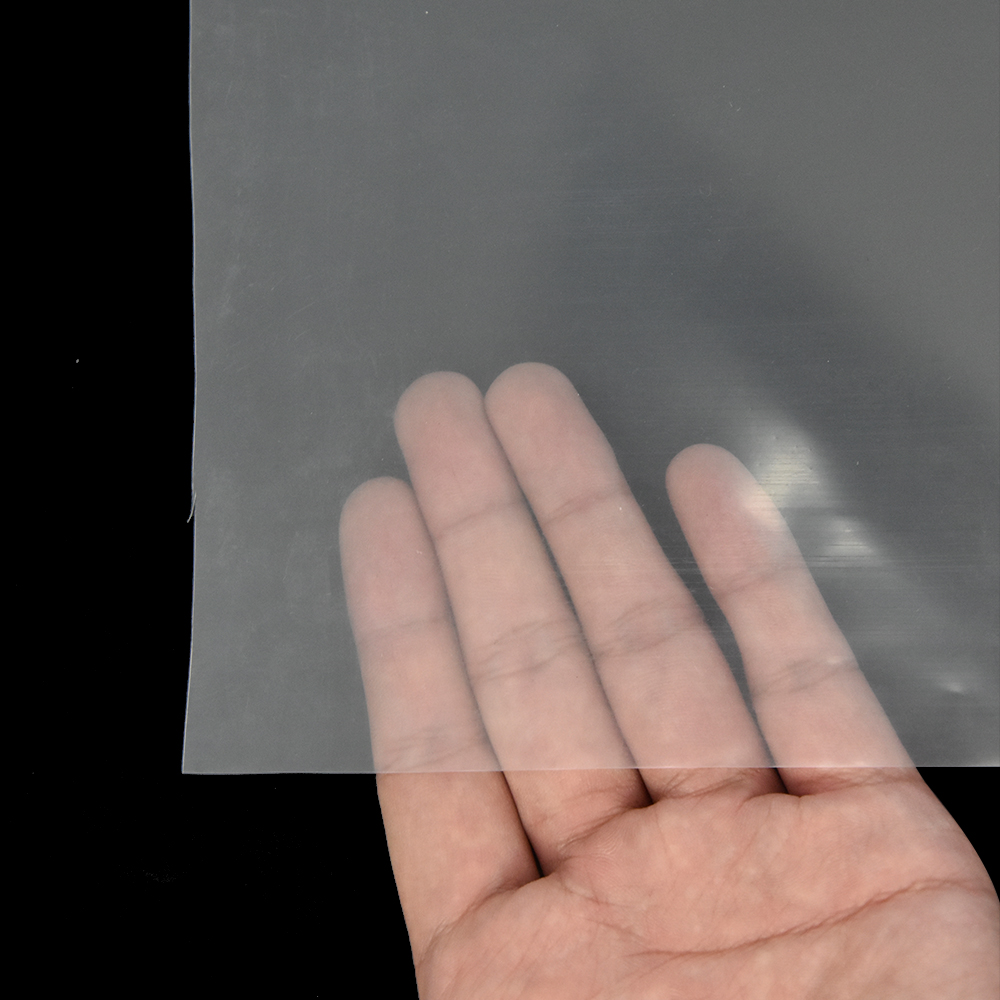
Short note: installation matters as much as material. Poor welding or uneven tension ruins even the best film. I’ve led installs where a wrong roller diameter caused micro-tears within weeks — lesson learned, and now we train crews on the right gear. Two quick asides — measure seam strength and insist on overlap specs — then you’ll avoid the common traps.
How I Choose for Clients — Three Simple Metrics
I don’t sell buzzwords. Here are three evaluation metrics I live by when advising wholesale buyers: 1) UV endurance (requested lab hours, not vendor claims); 2) Tensile and tear strength at specified thickness (200 µm versus 150 µm makes a difference); 3) Anti-condensation performance (measured by condensate droplet size and drip rate). Use these to compare quotes side-by-side. I’ve seen these metrics cut downtime and repair spend by measurable margins. Finally, if you want a dependable partner, check delivery reliability and post-sale support — that matters for scaling operations. For sourcing and further practical specs, trust the supplier that backs test data and shows field records — like the team I work with at HGDN.