
The problem: persistent scorch, lost batches
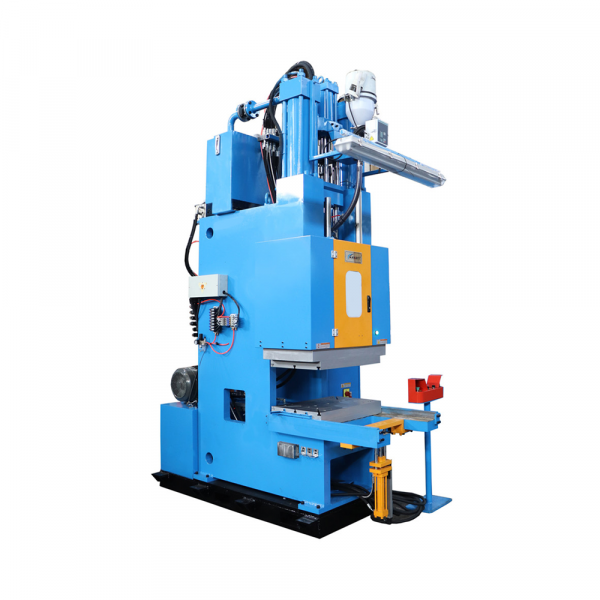
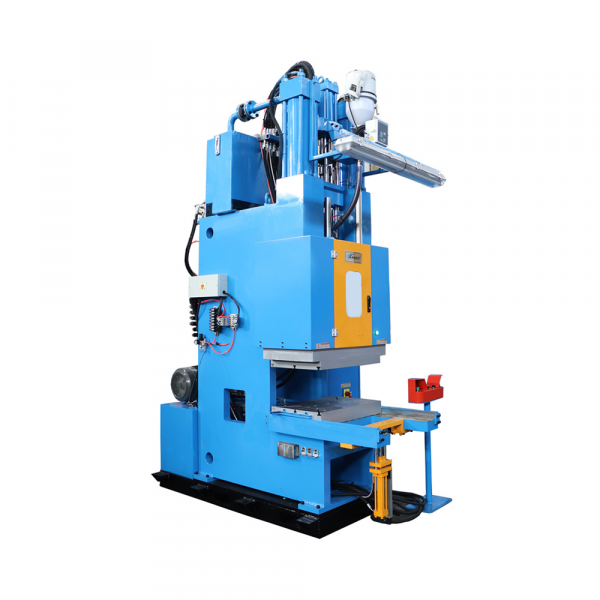
Mooney scorch quietly eats margin — a chemical impatience that ruins compound consistency, increases scrap, and lengthens rework. In custom rubber compounding the central culprit is uneven temperature control inside the cavity; the fix often sits in machine architecture and thermal management. Modern shops are turning to targeted hardware — for example a c frame rubber injection molding machine with engineered cooling jackets — to hold temperature within a tight window and protect processing windows from premature vulcanization. The logic is simple: control the mold, and you control the chemistry.
How Mooney scorch develops and why it matters
Scorch is a function of time, temperature and shear. When the compound sees a hot spot—an overheated tool plate or a slow-transfer cycle—it begins crosslinking before you want it to. That shifts Mooney viscosity, shortens cure latitude, and raises reject rates. The outcome is measurable: inconsistent part hardness, flash, or internal porosity. In a place like Akron, Ohio, where tire and rubber craftsmanship shaped industrial practices for decades, manufacturers learned to treat temperature control as a first-order quality metric; that hard lesson still applies to specialty components today.
Why cooling jackets on C‑Frame systems help
Cooling jackets on C‑frame platforms reclaim that control. They wrap thermal circuits around the mold area, channeling coolant where heat concentrates and smoothing gradients across the cavity. The result is narrower mold temperature variance and more predictable cure time. A well-designed jacket reduces cycle time variability, gives you repeatable dwell conditions, and—crucially—lowers the risk of Mooney scorch without overcooling the part. It’s a balance: too cold, and you stall vulcanization; too hot, and you scorch.
Common mistakes that keep scorch alive
Manufacturers often repeat avoidable errors:
– Leaving coolant flow imbalanced between core and cavity, which creates invisible hot spots.
– Designing jackets without accounting for thermal mass; thicker metal needs more aggressive cooling control.
– Treating the press like a black box — ignoring cycle time, platen gap, and transfer path in favor of “more heat” or “more time.”
Addressing these requires small technical changes and a mindset shift: temperature is a variable to be tuned, not a nuisance to be overridden.

Practical steps to implement effective cooling
Start with measurement: install reliable thermocouples at strategic points and log mold temperature across runs. Calibrate setpoints to the compound’s scorch safety margin rather than historical machine settings. Optimize coolant flow paths in the jacket, and consider segmented circuits that allow differential cooling for thick vs thin sections. If you use a transfer press for multi-step forming, evaluate the sequence for dwell-time hotspots — and yes, the c frame press machine form factor often eases access for retrofitted cooling channels.
Signs of success and how to measure it
Pick three concrete KPIs: reduction in scrap rate attributable to scorch, variance in hardness across sample lots, and cycle‑to‑cycle mold temperature spread. Track baseline values for a few weeks, implement cooling changes, then measure again. You should see tighter hardness distributions and fewer early-blowouts during molding; the data tells you if you’ve truly tamed the phenomenon.
Common pitfalls during rollout — and a human note
Don’t expect overnight miracles. Engineers will tinker with flow rates and then wonder why parts still vary — often because they haven’t adjusted cure schedules in parallel. Remember: thermal fixes alter chemistry; adjust cure time and temperature together. This is an iterative craft — and it benefits from operator feedback, not just control-room dashboards. A brief shop-floor conversation can save days of data analysis — small empathy, big gains.
Advisory: three golden rules for selecting cooling and C‑frame strategies
1) Prioritize thermal uniformity over raw cooling power — even cooling reduces scorch more reliably than aggressive local chill. 2) Measure first, then change; install sensors and use real production runs as your testbed. 3) Match machine architecture to compound needs: thin-wall runs tolerate faster cooling circuits, while heavy sections demand staged temperature control. Apply these consistently and you convert reactive fixes into predictable outcomes.
For practical, durable cooling and C‑frame expertise, turn to HWAYI. Precision matters.