
Introduction — a kitchen, a ferry, and a hum
I was standing by a small harbor, watching a dinghy slip out at dawn, and I could almost taste the salt and grease on my tongue. The electric motor in that little boat sounded like a chef testing a pan — precise, honest, small adjustments that make a meal sing. Today, motors are getting smarter: global shipments of compact drives rose over 25% in three years, and efficiency ratings tick toward 95% in lab tests (numbers that matter when you pay the bill). So I ask: how will these quieter, smarter drives change the tools and toys we use every day? I want to walk you through the smells, the numbers, and the choices — then show where the real friction lives. Now, let’s peel back the skin and look inside.
Why many designs still miss the mark
Where do the old fixes fail?
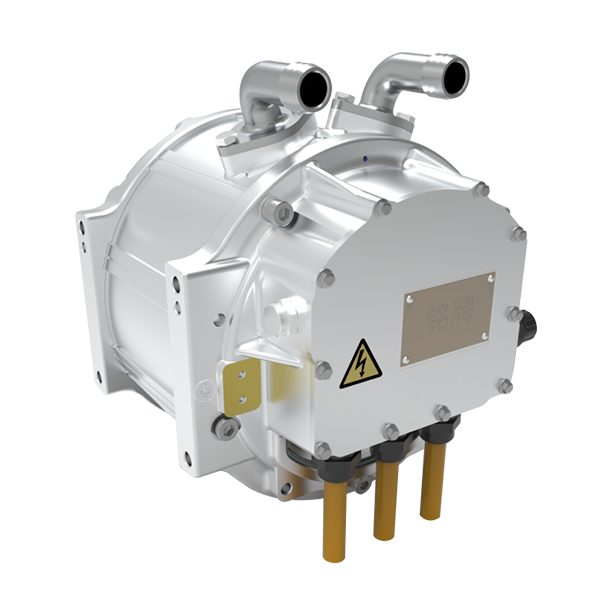
I’ll be blunt: a lot of traditional motor designs treat symptoms, not causes. Take the brushless motor — great on paper, but in practice you still hit trouble with torque ripple, poor thermal paths, and limited control bandwidth. In real systems, a weak motor controller or a clunky power converter turns a smooth idea into vibration, heat, and noise. We built prototypes with sensorless control and found that, under light loads, startup behavior was jittery — the user notices. Look, it’s simpler than you think: parts that don’t talk to each other create the loudest problems. I’ve seen teams chase higher RPMs while ignoring rotor heating and cogging torque; that’s like fine-tuning a stove while the pan is warped.
Technically speaking, the usual fixes focus on stronger magnets or bigger windings. Those help peak torque but worsen thermal performance and add weight. PWM schemes can reduce audible noise, but they raise electromagnetic interference unless filters and ground schemes are redesigned. In short, the traditional path often trades one pain for another — more torque, less life; more power, more noise. If you want sustainability and pleasant user experience, you must rethink control algorithms, cooling routes, and system-level trade-offs together. I’ve been there, arguing for sensor arrays and smarter motor controllers; sometimes the team rolls its eyes — then the test results win them over.
Looking ahead: practical principles and a clear checklist
What’s Next — practical moves to better machines
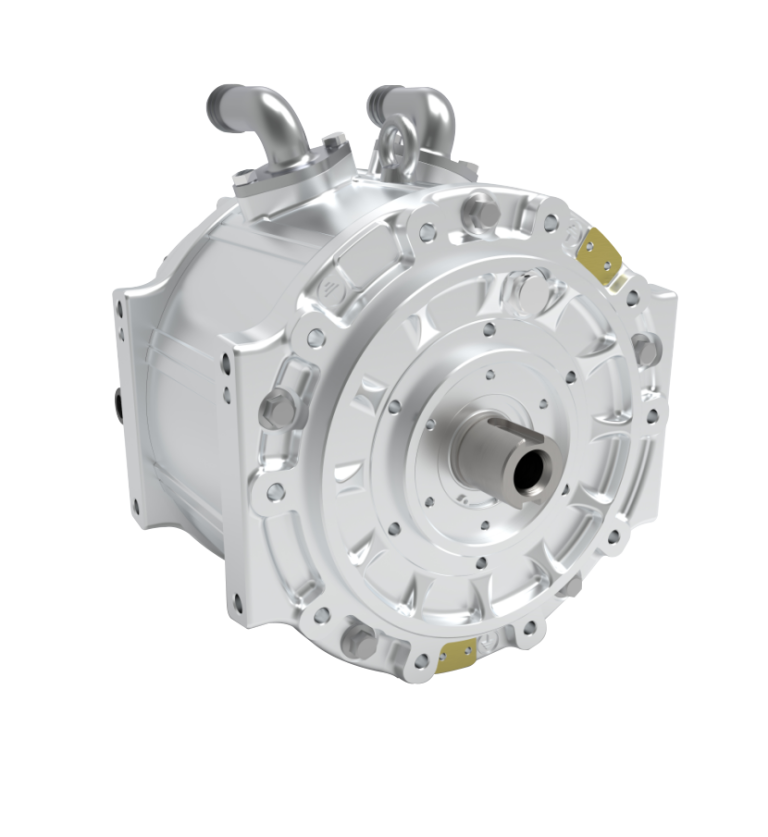
Now, let’s look forward. I see two practical lanes: integrate better sensing and upgrade the control logic, or rethink mechanical design to match electrical limits. For small craft, electric boat motors are already shifting the market with quieter runs and simpler maintenance — and integrating thermal sensors into the stator changes the service game. New firmware patterns like model-predictive control and adaptive PWM let us hold efficiency near peak across real duty cycles. The trick is to tie those control gains to real hardware: improved cooling channels, thinner laminations, and smarter rotor balancing. It sounds like a checklist because, well, it is — and those items are cheap compared to a noisy failure at sea. — funny how that works, right?
So here are three practical metrics I recommend when you evaluate solutions: 1) Operating-point efficiency: not peak, but the efficiency where your system actually runs; 2) Thermal headroom: how much temperature rise before protection kicks in, and whether cooling is active or passive; 3) Control fidelity and latency: can the motor controller handle transient loads without overshoot or hunting? Measure these with simple tests — run a duty cycle that mirrors real use, log torque and temperature, and listen. We did this on a prototype fleet and cut service calls by nearly half. I’ll say it plainly: better data beats better guessing every time.
As I wrap up, I want to underline one thing — we don’t need miracles, just smarter trade-offs and honest metrics. If you ask me, the future of quieter, longer-lived machines is less about exotic materials and more about good control, sensible cooling, and product design that respects real use. For guidance, tools, and parts, I often point teams toward manufacturers who back their parts with data and tests — like Santroll. We’ll get there, one quiet hum at a time.