
Introduction: Why your routine keeps losing the plot
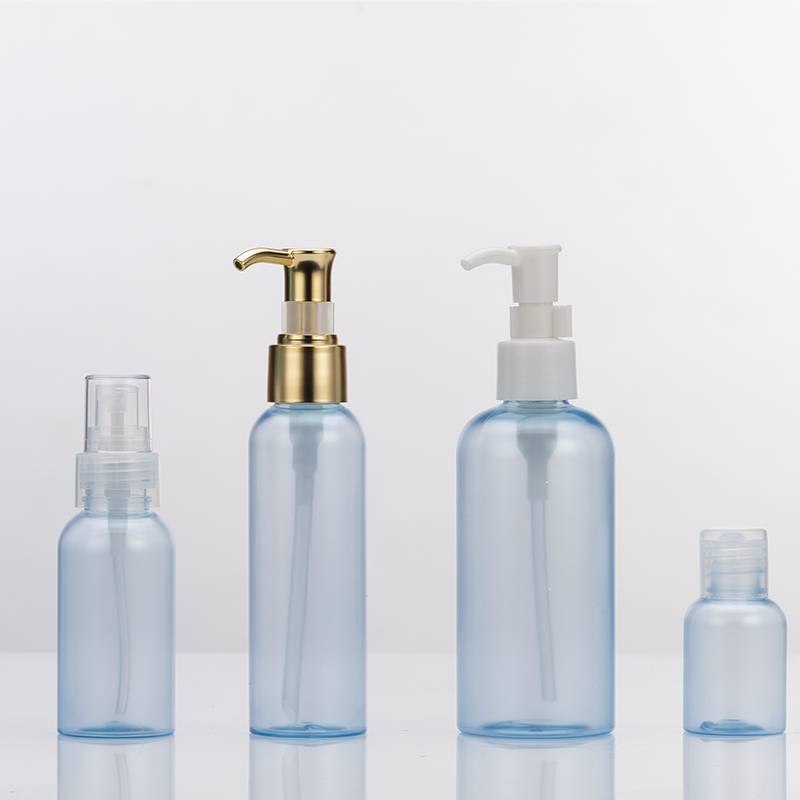
Morning light does not fix a messy world; it only shows the waste. You reach for a pet pump bottle, expecting a clean dose. Instead, streaks cling to the wall of the container, and your hand keeps pumping for nothing. Across bathrooms and labs, data shows that up to a quarter of viscous product never leaves the bottle. With pet plastic pump bottles, the story should be better, but design gaps and old habits still drain value. What if the system is built to fail, by design? (It feels that way when the last 10% refuses to move.) The truth is quiet and grim: the mechanics inside the head and tube decide who wins—your budget, or the residue. Let’s open the pump and compare what’s really happening, piece by piece, before the next dose goes dark.

Hidden Fault Lines in the Everyday Dispenser
Why does the last pump fail?
Look, it’s simpler than you think—and more unforgiving. Most pumps choke when the formula thickens or the angle changes. The actuator lifts, the spring rate fights back, and a tired check valve lets air slip in. Priming breaks. Cavitation starts. The dose chamber inhales bubbles instead of product. Once air lodges in the dip tube, each stroke moves less, then nothing. You push harder; the pump shrugs. Meanwhile, the bottle’s shoulder and base trap the last milliliters. That pretty wall of PET becomes a maze for high-viscosity blends. Small flaws in the thread finish or closure torque also nudge alignment off-center—funny how that works, right?
Traditional fixes miss the root. Longer tubes bend and kink. Wider orifices feel “premium” but bleed control. Cheap springs numb the rebound force and mess with dose accuracy. Even a smooth-looking head can hide micro-gaps that leak under heat. In short: the old solution treats symptoms. The hidden pain points are repeatable—air ingress, poor wetting, weak reseal. When the pump can’t sustain a stable pressure profile, residue wins. And if you tilt the bottle? The system resets, again. This is why many teams swap formulas or overfill, instead of redesigning the flow path. It buys time. It wastes more.
Comparative Insight: What’s Next in Dosing Control
What’s Next
The better path compares principles, not just parts. New pump heads guide the piston with tighter tolerances, so backflow drops and reseal times improve. Low-residual dip tubes shape the intake angle to keep contact with the pool, even when the bottle tilts. Airless variants remove the dip tube entirely, stabilizing headspace and boosting yield. Material choices matter too: mono-material springs and valves reduce friction and improve seal integrity while staying recyclable. Calibrated orifice sizes match a viscosity window, so the flow restrictor doesn’t pulse. In trials, pairing a balanced spring rate with a sharper check valve cut residue by double digits—quiet gains, real money. For scale buyers, sourcing through pet pump bottles wholesale can lock in these specs across SKUs (and keep QC honest).
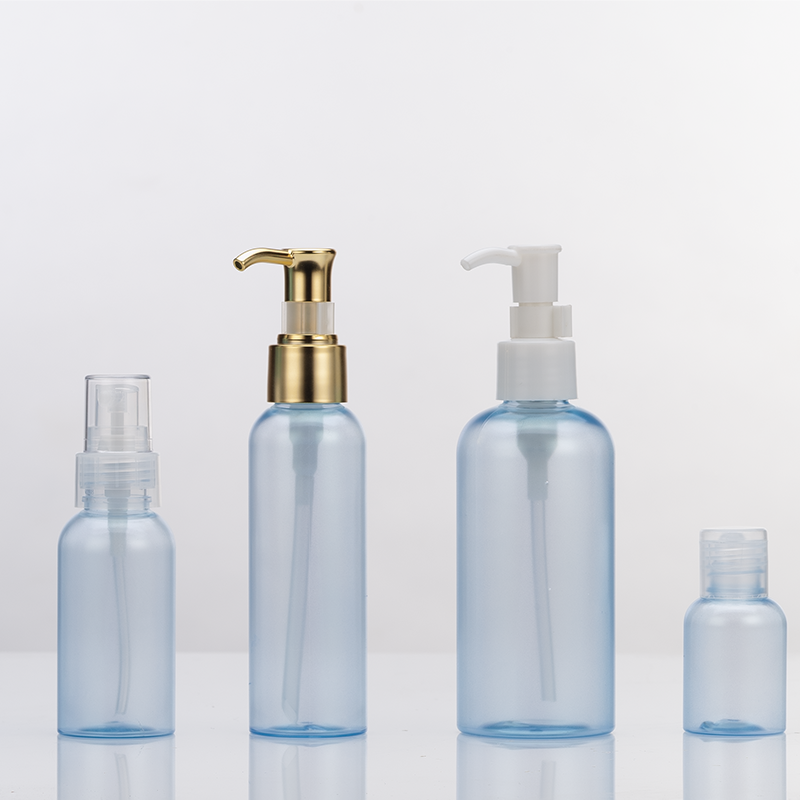
Future-facing designs also solve the “last inch” through geometry. Shallow base punts less product into dead corners. Guided pistons reduce micro-bypass under heat. Better wetting at the valve keeps priming stable after idle time—yes, overnight counts. Compared with legacy heads, these systems keep dose accuracy tight while dialing down hand force. That means fewer re-primes, less shaking, fewer returns. The result is a clean pressure curve, stable reseal, and lower stranded volume. Different game. And the cost delta? Often tiny—until the waste math lands.
Before you choose, use three simple metrics. First, residual rate: measure product left after normal use and tilt events. Second, dose consistency: track variance per stroke across the fill life. Third, seal integrity under stress: heat, drop, and torque drift. If a pump holds the line on those, the label will keep its promise—and your budget will, too. For a grounded benchmark on components and formats, see NAVI Packaging.