
The problem labs actually feel: inconsistent results that sabotage schedules
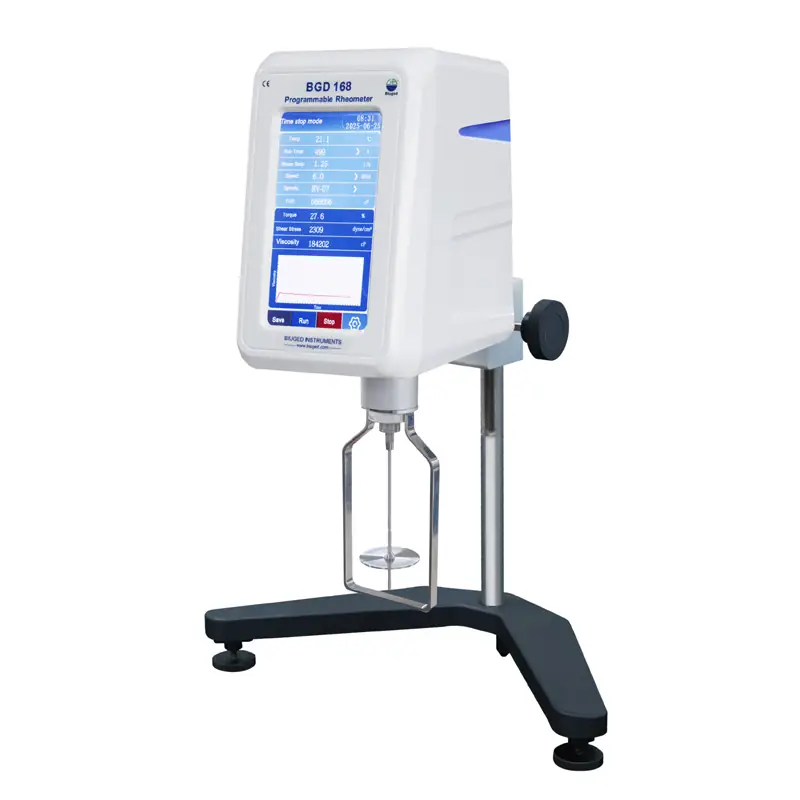
Production waits. QC rejects batches. A finish that looked brilliant in the pilot run turns matte on the truck. These are not mysteries; they’re measurement problems, often rooted in sloppy viscosity data. That’s why teams reach for trusted rotational viscometers — the simplest way to stop arguing about “how thick” a paint really is and start making decisions that don’t require a séance or a spreadsheet. Quick, repeatable readouts are the difference between a controlled formulation and a weekend of troubleshooting.
Why viscosity measurement trips teams up (and why that matters)
Viscosity isn’t just “thickness.” It’s shear sensitivity, surface tension interplay, and temperature mood swings, all wrapped into one number that’s dangerously easy to misread. When instruments, sample prep, or test conditions vary, the number loses meaning. The consequence: wrong additives, wasted raw materials, and unhappy customers. Fix the measurement, and you fix most downstream drama.
Instruments that actually reduce the drama
Start with the basics: choose the right geometry and torque range for your product. Rotational viscometers give continuous shear data and are versatile for high-solid paints; cup methods are fast but crude. For industry-standard comparability, many labs still rely on classic Krebs-method readings because the test correlates well with sprayability and leveling in coatings. Alternatives such as Brookfield-style instruments cover a wide viscosity span, but each tool has trade-offs in repeatability, sample volume, and shear profile—pick deliberately, not by habit.
Field-tested perspective and a concrete anchor
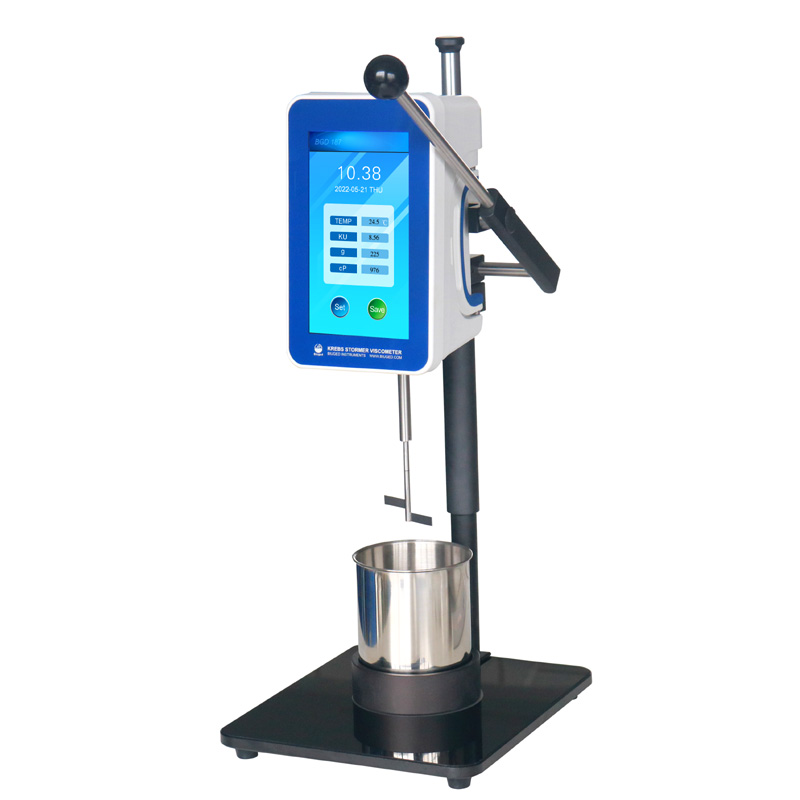
I’ve spent years running QC and R&D trials where a day’s productivity hinged on a single reliable metric. At the American Coatings Show in Indianapolis, formulators often demonstrate how a Krebs-style test separates “works in the cup” from “works on the line,” which is why the krebs viscometer remains a staple in many coating labs. That event and its technical sessions are widely covered in industry reports and proceedings, so the emphasis on reproducible Krebs readings is verifiable and practical for anyone calibrating their paint workflow.
Common pitfalls that sabotage measurements
Temperature drift: even a few degrees changes shear behavior. Wrong spindle or rotor: over-range torque gives false lows. Sample conditioning: trapped air, poor mixing, or inconsistent wait times wreck repeatability. Neglected maintenance: dirty fixtures and dried-on residues bias every reading. Calibration blunders: using standards that don’t match the test fluid’s shear profile produces false confidence. Each mistake is easy to make and simple to prevent if you treat the test like an experiment, not a checkbox.
Practical checklist to stop blaming the batch
1) Stabilize temperature — measure at a defined, recorded temperature. 2) Pick the right spindle/rotor and note it in the SOP. 3) Condition samples (degas, rest time) consistently. 4) Run a reference material daily to track drift. 5) Clean and inspect fittings after each run. 6) Train operators on what the curve (not just the number) tells you. These steps change measurements from “opinion” to data you can act on.
Alternatives and when to choose them
If you need fast pass/fail for production, cup methods or inline sensors can be pragmatic despite lower nuance. For formulation R&D, rotational viscometers and Krebs protocol give richer, interpretable signals that align with application performance. If your problem is process control rather than discovery, prioritize repeatability and automation over raw analytical depth.
Bottom line: align method, instrument, and behavior
Stop treating viscosity as a single number and start treating it as a controlled measurement. When labs pick the right instrument, follow tight sample routines, and track references, formulations behave predictably—exactly the outcome labs need. That reliability is what manufacturers like BIUGED design their equipment around: clear readings, sensible interfaces, and tools that make technical decisions straightforward rather than theatrical.