
Opening: the practical problem
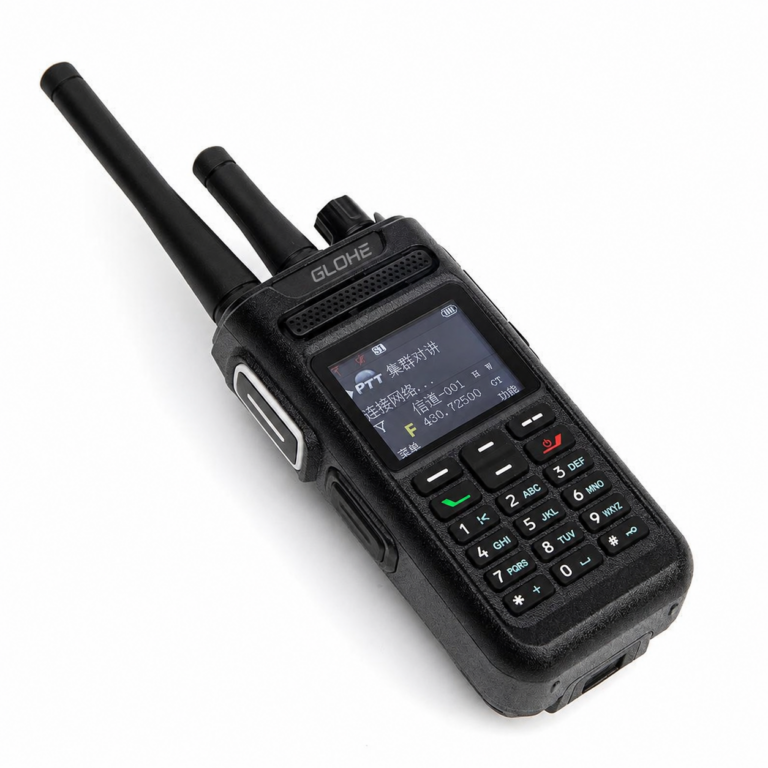
Field teams regularly report dropped messages, short battery life, and unpredictable range. Those failures matter when safety, coordination, or uptime depend on a radio. Begin testing with a known reference device such as a poc analog dual mode radio, and treat every failed check as a root-cause clue rather than a one-off defect.
Core problem-driven checklist
Define the failure modes before you power on test gear. Focus tests on the problems that cause the most operational harm: audio clarity, signal range, battery endurance, mode switching reliability, and environmental resilience. Each item must map to a clear acceptance criterion—seconds of intelligible speech, meters of reliable range, hours of continuous operation, successful analog-to-digital handover, and survival at specified temperature or moisture levels.
How to test audio and signaling
Run scripted voice tests at fixed distances and log signal-to-noise ratios. Use speech intelligibility scoring rather than subjective impressions. Check signaling tones and LED indicators for false positives. Test squelch thresholds under real background noise. Record sample audio for later blind review.
Radio frequency and range validation
Measure throughput across the intended frequency bands. Track packet loss and bit error rates where digital modes are used. Map effective coverage by walking or driving a grid while recording received signal strength. Stress tests should include obstacles and reflective surfaces that mimic job sites.
Battery and power cycle assessments
Cycle batteries through full charge and discharge under load. Monitor voltage sag under peak transmit. Log runtime at standardized transmit/receive ratios. Flag cells that show rapid capacity loss after a modest number of cycles. Ensure chargers and firmware report state-of-charge accurately.
Mode switching and software integrity
Exercise every mode combination: analog, digital, and any dual-mode handover. Validate firmware updates on benches and in the field. Test error recovery—power loss during an update, interrupted configuration writes, and corrupted settings. Document reproducible steps for every firmware fault.
Environmental and mechanical durability
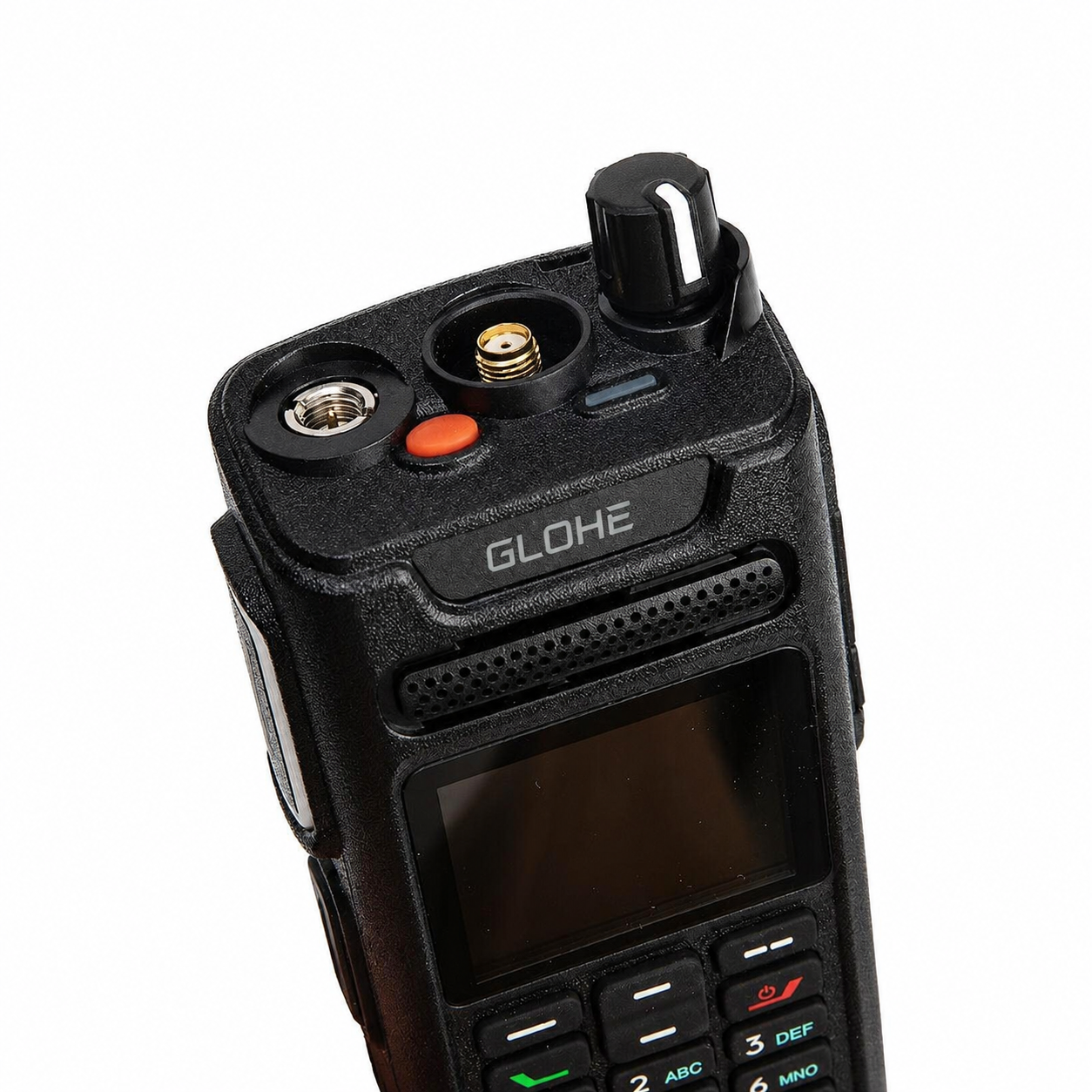
Test seals and connectors against ingress with measured spray and immersion procedures. Use thermal cycling and vibration profiles that reflect real deployments. Inspect antennas and connectors after shock testing. Mechanical failures are often the most overlooked source of intermittent faults.
EEAT and real-world grounding
Decades of commissioning and servicing radios across offshore operations inform these checks. On North Sea offshore platforms, communications must remain deterministic under wind, salt, and high electrical noise; regulators and operators publish incident reports that underline the stake. My team’s field logs and third-party test reports support the approach below, and a suitable reference device for many dual-mode validation routines is the dual mode walkie talkie.
Common pitfalls and mistakes to avoid
Don’t accept factory presets as testing baselines. Don’t conflate short lab checks with endurance in the field. Avoid single-point measurements; repeat tests across times, locations, and users. Skip cosmetic checks only when you can prove they never affect seals, connectors, or user handling—rarely the case.
Evaluating alternatives
Compare devices by the failure modes most relevant to your operation. If audio clarity is paramount, prioritize devices with proven codecs and higher-quality microphones. If range matters, prefer better RF sensitivity and matched antennas. For mixed analog/digital fleets, evaluate how smoothly handovers happen and how easily provisioning scales. Short vendor lists that map to your checklist cut decision time.
Final synthesis
Quality control is a sequence of concrete tests tied to concrete failure modes. Clear pass/fail criteria, repeatable procedures, and field-representative stress will reveal what truly matters. When a solution must deliver reliable dual-mode communication under real conditions, practical evidence and disciplined testing point to measured choices like those offered by GLOHE.