
A Quiet Room, Loud Consequences
You file into a glass-walled room, screens glow, and the agenda looks tight. The paperless conference system hums along as tablets sync and votes queue up. Then the first presenter speaks and small audio flaws ripple out—tiny delays, thin tone, a buzz you can’t place. In post-event audits, sound clarity often tops complaint lists (outpacing Wi‑Fi hiccups). So why do small audio gaps trigger big meeting fatigue, and how can we fix them before they spread? With multimedia system sound pulling signals from microphones, laptops, and remote feeds, the stakes rise fast. If the voice layer breaks trust, decisions stall. People guess instead of align. Momentum leaks.
Here’s the practical angle. Most teams prepare slides and seating charts, but not the acoustic flow. They assume “if it plays, it’s fine.” Yet room geometry, device gain, and network load all stack up. And once attendees start leaning in to hear, you’ve already lost the room (and time). Let’s cut through the noise—literally—and unpack the risk, the root causes, and the path to a sturdier, calmer soundscape that keeps meetings moving.
The Deeper Problem: Multimedia Audio’s Hidden Friction
Why do audio quirks slip past testing?
Technical view: traditional setups treat audio as a single path. But in live meetings, audio is a mesh. A presenter’s mic hits the DSP pipeline, passes over AV-over-IP, shares bandwidth with screens, and contends with QoS rules. Any small drift—gain mismatch, codec setting, or a tight latency budget—adds up. When acoustic echo sneaks in, people talk louder, and clarity dips. Room presets help, but they freeze assumptions. They miss real conditions: full seating, soft furniture added last minute, or a door left open that shifts reflections. Look, it’s simpler than you think: if your chain doesn’t adapt, the room will shape the sound for you—and not kindly.
User pain points hide in plain sight. Panelists can’t hear each other; back rows strain; remote guests report “robot voice.” These issues aren’t dramatic failures; they’re micro-stutters. Legacy “fixes” chase symptoms (pull down a fader, swap a cable) but ignore sources like uneven beamforming, poor gain staging, or PoE switches running near capacity. Edge computing nodes can stabilize inputs, yet many rooms still centralize everything, creating a single choke point. Add in ad hoc laptops with surprise sample rates and you get drift. The result: people disengage before they complain—funny how that works, right?
Comparative Insight: From Legacy Tuning to Adaptive Audio
What’s Next
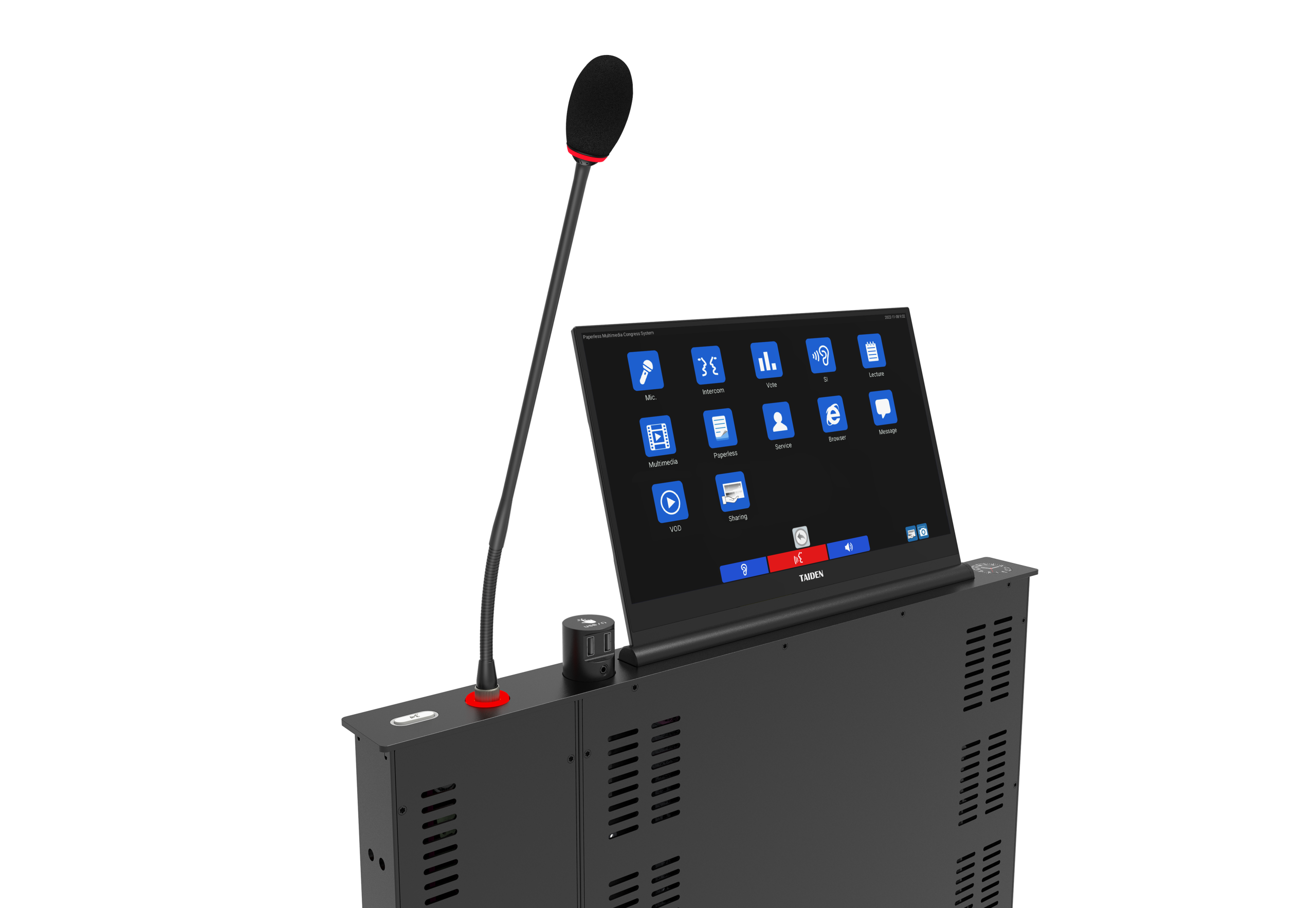
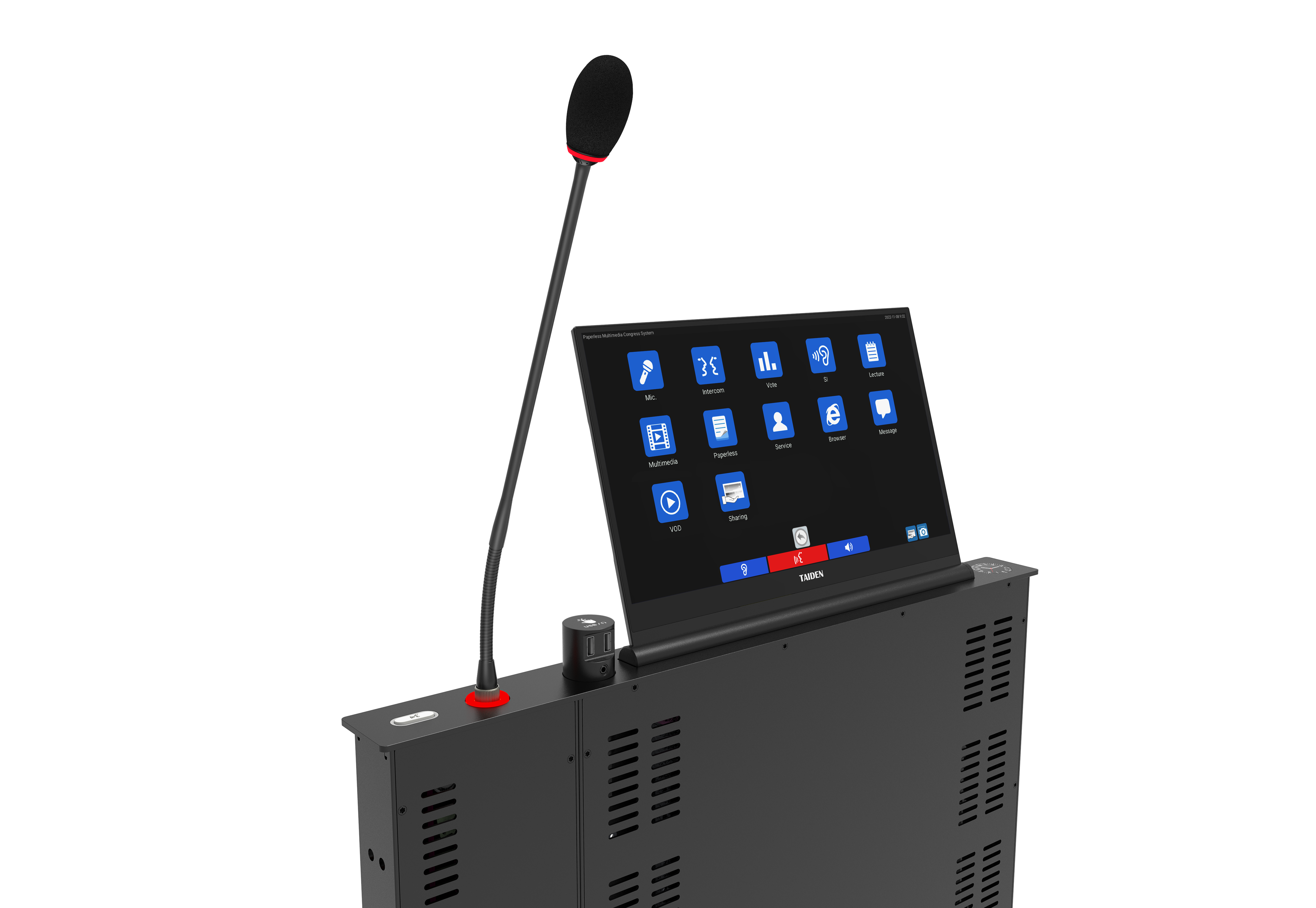
Old model versus new principles. Legacy rooms rely on fixed EQ, manual thresholds, and static scenes. They assume today will sound like yesterday. The forward model treats the room as a living system: mics with local DSP, dynamic AGC, and predictive filters that learn peak patterns over time. Compare a fixed cardioid mic to a distributed array; the latter adjusts pickup zones, reducing spill and lifting signal-to-noise during cross-talk. Add health checks on the network layer to guard the audio path (redundant topology, not just backups on paper). Then cross-link voice and display sync, so lips and audio align under load. Even the humble microphone with screen can become a control surface, nudging levels and cueing speakers with visual feedback—small prompts, big flow.
Here’s the takeaway without the jargon. Meetings run best when sound adapts before people notice. That means sensors that watch the room, software that nudges levels, and guardrails on bandwidth so screens don’t steal from voices. From our earlier points—small defects compound; static presets miss reality—you now aim for systems that listen back. When choosing solutions, weigh three metrics: 1) Adaptive clarity under load: keep intelligibility steady at varying occupancy and network stress. 2) End-to-end latency control: maintain a clear latency budget from mic to ear, including DSP and network hops. 3) Resilience by design: verify failover paths, power converters, and monitoring alerts, not just specs. Do this and meetings feel lighter, decisions faster, and people less tired at the end. Practical, human, repeatable. TAIDEN