
Introduction
You can feel it the moment a meeting starts: sound makes or breaks the room. A conference room speaker and microphone system sets the tone in the first 30 seconds—either clear, calm, and inclusive, or choppy and awkward. Teams often lose 5–10 minutes per meeting to audio tweaks and repeats, especially when one person dials in from the road. If time is money, that adds up fast (and the mood drops even faster). So here’s the question: what separates rooms that “just work” from rooms that fight back?
We’ll compare the real changes shaping modern setups, and why they’re not just trendy tech. They’re practical fixes to old problems. Onward to the deeper layer.
Under the Hood: Why Traditional Setups Fall Short
What breaks first?
Let’s get technical and stay practical. Many legacy rooms rely on scattered gear—analog mixers, ceiling speakers, and a patchwork of mics. That stack tends to drift out of sync, especially without a proper DSP chain and gain structure. The usual result: uneven loudness, hot mics, and late-arriving echoes. In a hybrid moment, that hurts. A compact conference system tackles this by integrating routing, acoustic echo cancellation (AEC), auto-mixing, and feedback suppression in one path. Look, it’s simpler than you think. Fewer handoffs mean less latency and fewer points of failure.
Hidden pain points are not just about sound. They’re about cognitive load. People juggle mute buttons, app controls, and in-room panels—then whisper to a far-end that still can’t hear. When the jitter buffer is mis-tuned or beamforming is weak, the far-end hears room noise before voices. Power and cabling add more friction; without PoE and clean clocking, devices desync and hiss. And when rooms scale, manual tuning becomes a time sink. That’s the core flaw of traditional designs: every improvement adds more knobs. Integrated systems remove those knobs—and the stress.
Signals of the Next Wave: A Comparative Look Ahead
What’s Next
Now, compare old gear swaps to new technology principles. The next wave is less about “bigger speakers” and more about signal integrity end-to-end. Think networked audio with AES67 or Dante for reliable clock sync, adaptive beamforming that focuses on talkers, and smarter AEC that handles double-talk. Wireless gets an upgrade too. A wireless conference room microphone and speaker system built on robust RF (think OFDM and modern QoS) can deliver sub‑perceptible latency and solid roaming in open-plan floors. Add MIMO antennas, and mic coverage stays stable even when laptops crowd the band—funny how that works, right?
In practice, the best designs use fewer building blocks that do more. Edge DSP nodes sit close to the mics to reduce noise, then push clean streams to the network. Smart auto-mixers open only active talkers, keeping room noise down. Policy-driven profiles switch modes for training, board, or huddle use—no tech visit required. Compared with legacy stacks, you get fewer cables, lighter power converters, and predictable outcomes. Advisory close: when you evaluate options, check three metrics. 1) Intelligibility under load: measure STI or at least consistency when 3–5 mics open. 2) Round‑trip latency: keep interactive paths under ~150 ms, including AEC. 3) Manageability at scale: look for remote monitoring, presets, and update safety (rollback, redundancy). Choose what reduces friction today and scales tomorrow—without making users think.
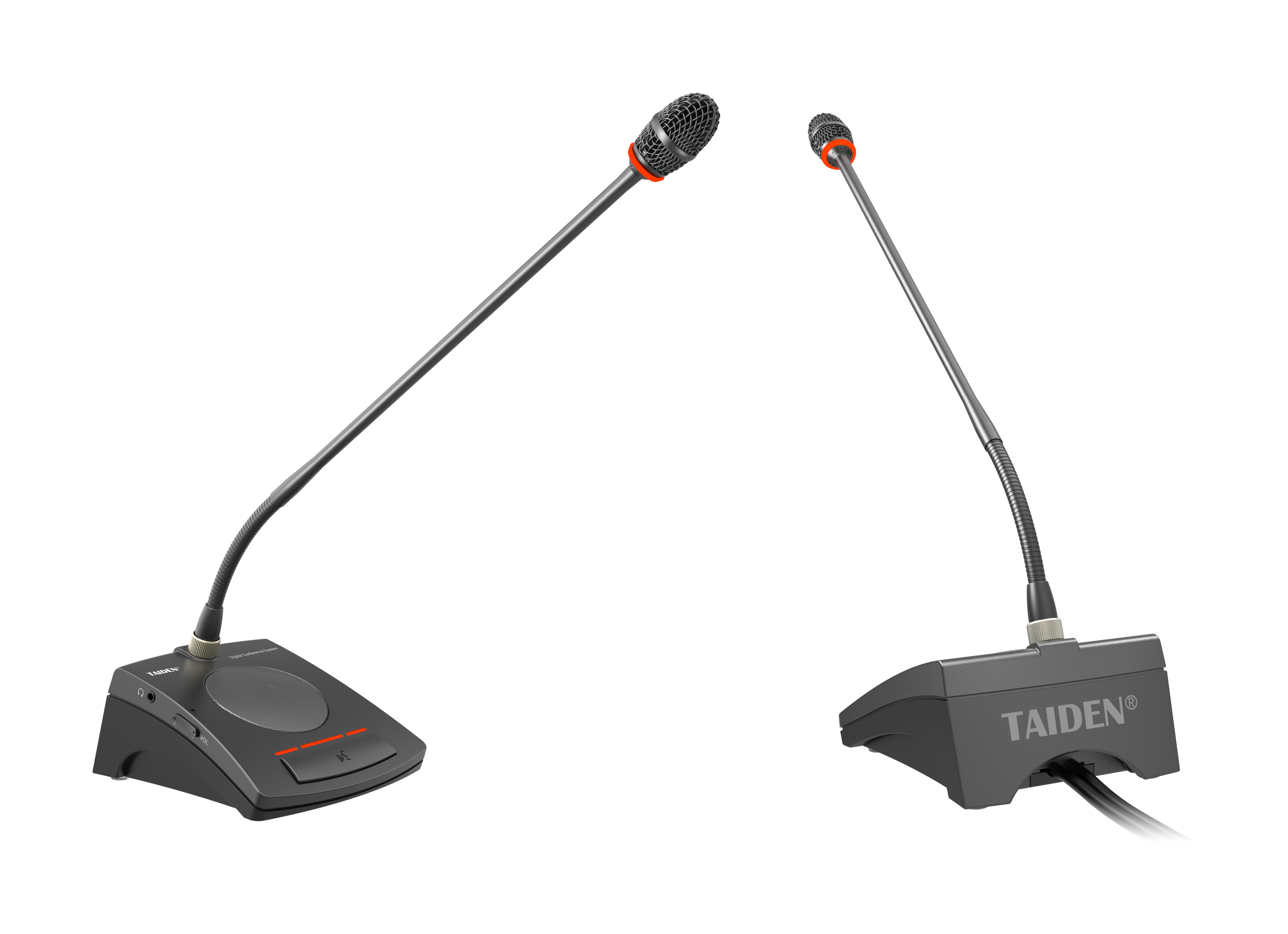
All told, modern systems aren’t about flashy specs. They’re about steady clarity, lower setup time, and fewer support tickets—the wins that keep meetings human. That’s where brands focused on integrated design, like TAIDEN, continue to push the category forward.