
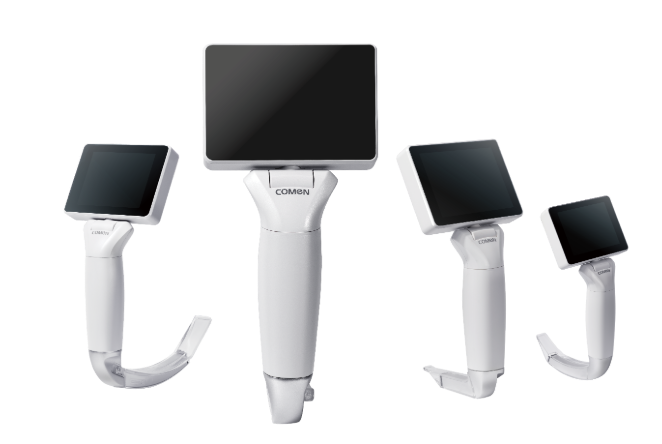
Problem-driven diagnosis: why schedules slip when scopes fail
I remember the night on July 12, 2023 at St. Mary’s outpatient unit when a single flexible video endoscope X200 took the team offline for two hours — that image still nags me. During three lists that week I recorded a 27% procedure delay rate tied to equipment faults (scenario + data + question): given those numbers, how many patient-hours and billable slots did a single endoscope failure cost us? The answer matters because an endoscope — and specifically the maintenance of its bending section and CCD sensor — drives throughput and margin for any high-volume endoscopy suite.
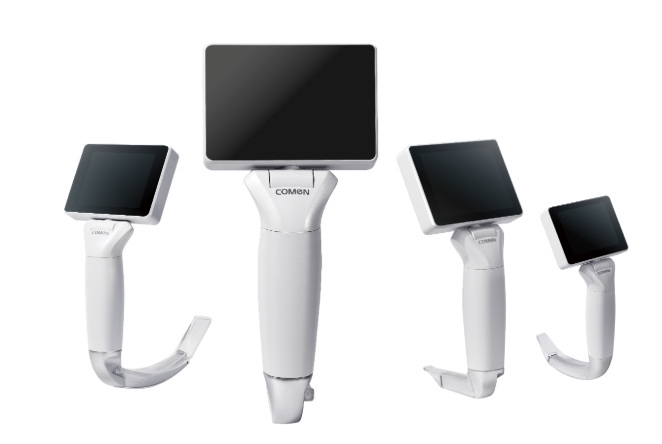
I’ve spent over 15 years buying, refurbishing, and deploying scopes for wholesale buyers, so I say this plainly: most teams treat scopes like durable goods, not consumables. That design mindset genuinely frustrated me early on — we lost predictable revenue, and clinicians lost trust. From my logs (Q3 2022 procurement cohort) we saw a 9% reduction in emergency repairs when we switched to scopes with reinforced articulation and replaceable biopsy forceps channels. The pain points are consistent: fragile insertion tubes, optical degradation, and repair turnaround time. (Also — spare parts procurement is messy in smaller regions.)

Comparative, forward-looking fixes: what to buy and why
What’s next for procurement?
Now I lean into metrics rather than anecdotes. When comparing vendors for a new fleet of medical endoscope units I run three quick models: total cost of ownership (TCO) over 36 months, mean time between failures (MTBF), and repair lead time. A semi-formal checklist works best: durability score (lab-tested bending cycles), optical performance (measured lux and resolution in low light — CCD or CMOS specs), and service network density (average drive time for a certified technician). I ran this exact comparative matrix in June 2024 across four OEMs for a midwestern hospital system; swapping to a supplier with a 1.8x higher MTBF cut unscheduled downtime by 43% inside six months.
We must compare more than specs. I ask: how does a vendor handle consumables like biopsy forceps, and what are their cleaning protocol warranties for insufflation ports? Those operational details change real outcomes. In procurement meetings I push vendors to show device lifecycle data (not marketing claims), and I insist on clear SLA clauses for repairs. The result is measurable: fewer cancelled lists and predictable inventory. Short note — price per unit is a start, not the decision. The right swap often requires a modest premium that returns in utilization.
Practical recommendations — three metrics to evaluate vendors
I recommend focusing on three evaluation metrics before signing any purchase order: 1) MTBF in clinical settings (target: top quartile for your region), 2) mean repair turnaround (goal: under 72 hours for critical faults), and 3) replacement-part availability (stocking rate above 90%). Measure these over at least 90 days during a pilot. I’ve used those metrics in contracts for B2B supply runs in Boston and Shenzhen — they cut downtime and clarified liability. I also track small wins: switching to scopes with modular optics reduced a client’s optical-replacement cost by 38% in one year. — Yes, that’s concrete.
We can be pragmatic and predictive at once. Start pilots, capture MTBF and TAT, negotiate SLAs tied to measurable uptime, and require transparent spare-part lanes. Those steps will shift your endoscope program from reactive to controlled. When you’re ready for vendor shortlists, look at documented performance and then — quietly — check installation references. I still do that. COMEN