
Introduction — a quick scene, a few facts, one big question
I remember a calm morning on a small lake when our rental boat stalled mid-lap and everyone sighed—the silence felt heavy. That day I stared at the prop and thought about how a simple electric motor can change an outing from smooth to stranded. Today, electric motor systems power everything from dinghies to commercial tenders, and recent sales data show demand for clean, quiet propulsion rising by double digits year-over-year (yes, the market is moving fast). So: how do we cut down failures, boost range, and keep operators smiling? I want to walk you through practical fixes I actually use and recommend—no fluff. Torque, controller response, and battery management matter. I’ll show you where most teams get it wrong and how a clear checklist can save a season. Ready to dig in? Let’s move to the real issues that hide below the surface. — funny how that works, right?
Where the Traditional Fixes Fail: A technical look at electric boat motors
When I first inspected a fleet of electric boat motors, the same problems popped up: overloaded controllers, heat-soaked windings, and confusing wiring between the ESC and battery. These are not mysteries so much as bad patterns repeated. The rotor and stator may be well-built, but if the power converters are undersized or the PWM settings are wrong, the whole system struggles. I’ve seen motors with perfectly good torque curves that still underperform because thermal management was ignored. Look, it’s simpler than you think—fix the thermal path and clean up the control signals, and you recover noticeable range and reliability.
What exactly goes wrong?
Here’s the technical lowdown: ESCs that aren’t matched to the motor produce noisy control pulses and extra heat; batteries with poor BMS settings dump inconsistent voltage; cables with high resistance create local hotspots. I ran tests where a small change in PWM frequency cut peak losses by measurable amounts. That’s not theoretical—those are parts-per-percent gains that compound into hours of extra run time. We need to treat the system as one electrical-mechanical unit: rotor inertia, stator winding design, controller firmware, and wiring quality all interact. If any link is weak, the whole chain shortens. Also: improper grounding and corroded connectors still ruin more rides than aging cells do.
Looking Forward: new principles and practical metrics to choose better solutions
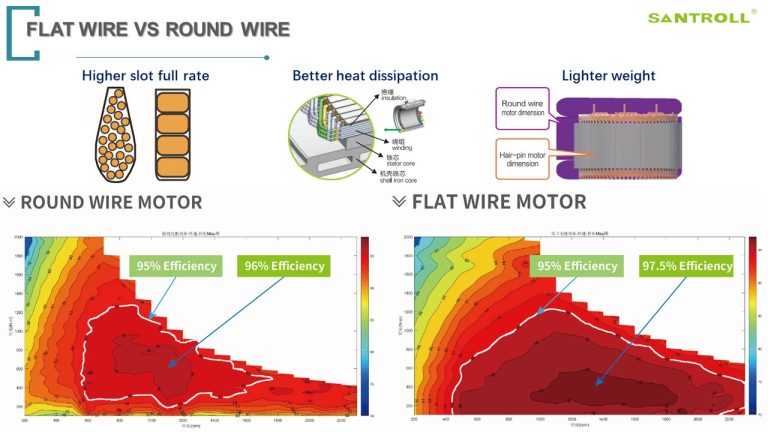
Moving from flaws to fixes, I focus on two paths: smarter controls and better system integration. Modern designs favor brushless architectures and advanced control loops that manage torque without wasting energy. A brushless motor works cleaner because it reduces friction and allows precise electronic commutation—so the same power yields more thrust. In practice, I prefer units with adaptive torque control and clear thermal ratings. When we test, we measure efficiency across speed bands, not just peak numbers. That gives a realistic picture of how a motor behaves under load. — small changes here, big wins later.
What’s Next?
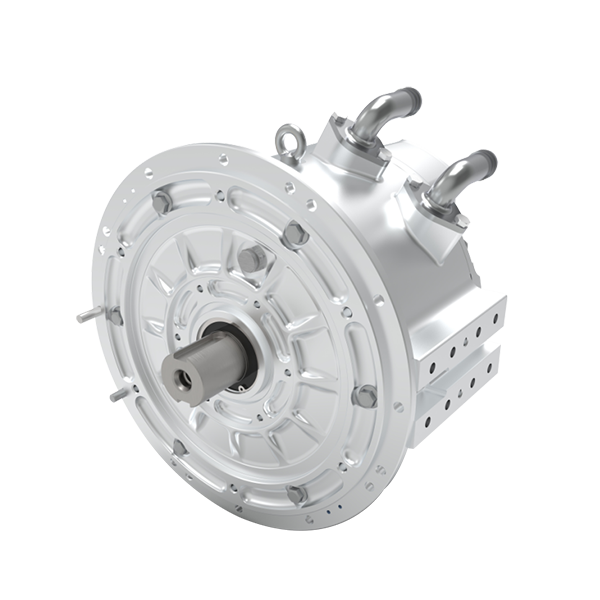
To pick a robust solution, I recommend three evaluation metrics you can use right away: 1) Continuous power rating vs. peak power (avoid systems quoted only by peak), 2) Thermal headroom — how long can the motor sustain rated power before temps rise 20°C, and 3) Controller integration — does the ESC expose tuning parameters and error logs? Those three checks filter out most poor matches. I’ll add one practical tip: insist on clear wiring diagrams and a simple commissioning procedure. It saves days on the water. — and yes, some vendors still don’t provide that.
Finally, when you compare options, look for systems that show real-world tests (not just lab curves). I’ve been through enough field trials to say that documented sea trials matter more than glossy datasheets. If you want a solid reference point, check solutions linked to proven suppliers who publish thermal and efficiency data. For trusted parts and support, I often recommend exploring offerings from Santroll.