
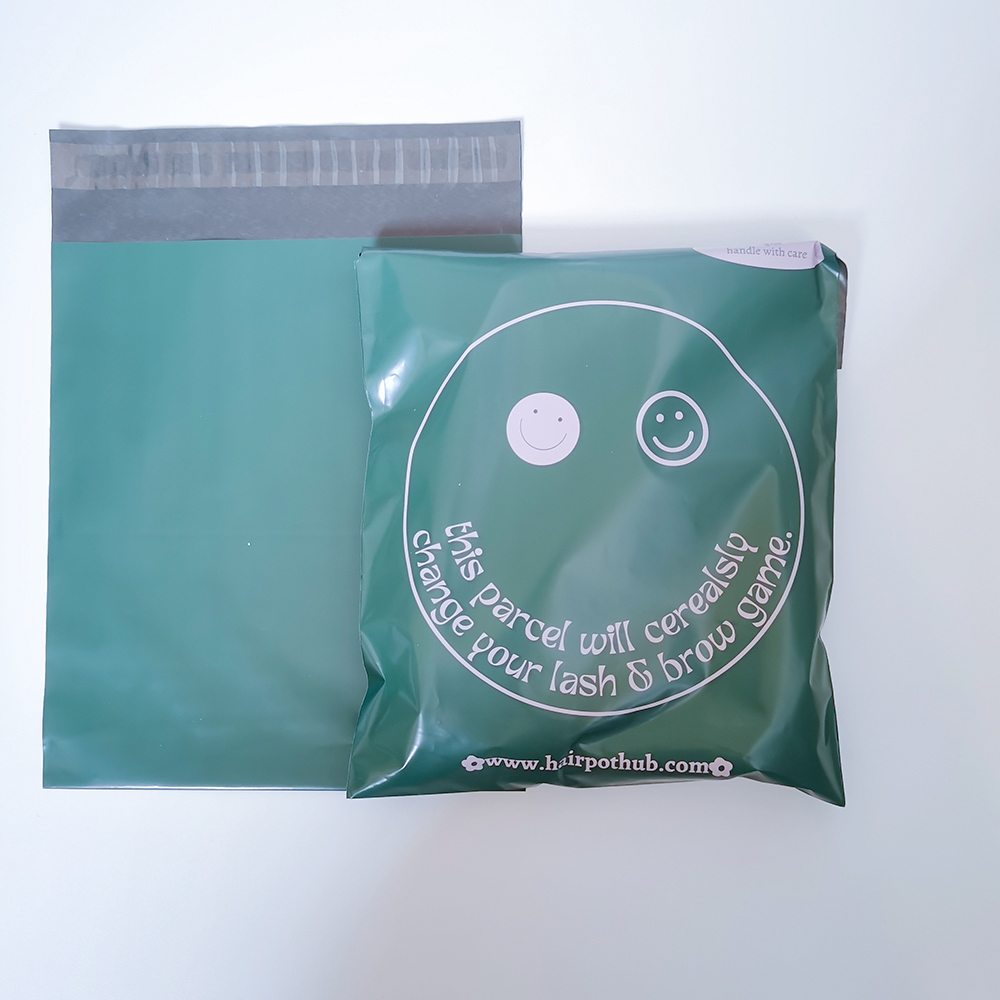
Opening problem statement and scope
Persistent static electricity on film release liners, and the consequent packing-line delays, present a recurring operational problem for fulfillment centres and light-manufacturing lines. This article addresses diagnosis and remediation in a problem-driven manner, showing how material selection, liner release characteristics, and customized packaging—including eco friendly poly mailers—can reduce stoppages and improve throughput. The focus is practical: identify the root causes, evaluate corrective measures, and select options that are compatible with high-speed equipment and sustainability goals.
Manifestation and real-world anchor
Operators typically observe intermittent jams, clinging parcels, and misfeeds at 200–600 units per minute lines. These symptoms became conspicuously frequent during the 2020–2021 surge in e-commerce volumes when many Los Angeles fulfillment centres and similar hubs reported increased static-related stops. The immediate effect is measurable: reduced line efficiency and higher reject rates; the systemic effect is reputational risk and increased labour cost for manual intervention. Terms of art to keep in view include release liner, static dissipative surface, and caliper — each governs a separate failure mode.
Primary root causes
Root causes typically partition into material, process, and environment. Material factors: film composition, surface energy, and anti-static treatment quality determine triboelectric charging and peel strength. Process factors: die-cut geometry, folding technique, and conveyor grounding influence how charges accumulate and how liners separate. Environmental factors: relative humidity below 40% and insufficient grounding of equipment exacerbate ESD (electrostatic discharge) events and adhesion anomalies. Diagnosis requires isolating these domains by controlled trials.
Diagnosis protocol: simple tests to prioritise fixes
Employ three sequential diagnostics to avoid misdirected capital expenditure. First, visual and tactile inspection of samples for cling and transfer. Second, a small-scale run using actual filling or sealing equipment to observe behaviour under production tension. Third, measure surface charge and peel force where possible; portable field meters and a peel tester will provide quantitative data. This staged approach prevents misinterpretation of intermittent faults — do not skip the run-test with your own machinery.
Material and design interventions
Once the dominant cause is identified, select interventions that align with throughput and sustainability targets. Options include: adjusting film formulation to lower surface resistivity (static dissipative films), applying permanent anti-static coatings, changing liner release coating chemistry to control release profile, and modifying caliper to alter stiffness. For many operations the introduction of custom recycled poly mailers with engineered inner liners achieves dual benefits: consistent release properties and reduced particulate transfer. Consider also die-cut pattern changes to reduce large-area cling during high-speed separation.
Process and equipment measures
Process modifications are often the most cost-effective. Improve grounding of conveyors and rollers, control ambient humidity where feasible, and install ionising bars or blow-off nozzles at separation points. Regularly calibrate nip rollers to ensure consistent pressure. For automated lines, implement sensor thresholds that flag a change in peel force or static level prior to full stoppage. These measures are incremental but compound to produce measurable throughput gains.
Testing, acceptance criteria, and common mistakes
Define pass/fail metrics before approving material changes: acceptable peel force range, maximum allowed static potential on product surfaces, and target downstream reject rate. Common mistakes include accepting vendor-supplied bench samples without a line trial, underestimating the interaction between closures/adhesives and liners, and ignoring seasonal humidity variation. A proper acceptance protocol mandates first-article runs, documented QA criteria, and a contingency plan if the field performance differs from laboratory measurements.
Alternatives and sustainability trade-offs
When line behaviour does not improve, alternatives include switching to perforated liners, employing coated release papers, or redesigning packaging architecture to eliminate problematic seams. Each alternative entails trade-offs among lifecycle impact, cost per unit, and recyclability. For brands with sustainability mandates, choosing a recycled-material mailer with tested release properties often balances operational reliability with environmental responsibility — but verify recyclability claims and end-of-life handling.
Implementation checklist
To implement changes with minimum disruption, follow this checklist:- Characterise current failure modes with line trials and basic instrumentation.- Specify material targets: static dissipative rating, caliper, and release profile.- Require supplier first-article runs on identical equipment and documented QA.- Trial ionisation and grounding improvements in parallel.- Log results and iterate; do not conflate correlation with causation.
Advisory: three golden rules for selecting fixes
1) Prioritise measurable compatibility: require supplier data for peel strength, surface resistivity, and release profile, and validate on your line. 2) Balance material and process remedies: small process fixes (grounding, ionisers) should precede full material replacement unless diagnostics prove otherwise. 3) Evaluate total cost and sustainability: include tooling, additional cycle time, waste handling, and end-of-life disposition when comparing options.
These rules lead to solutions that are operationally robust and aligned with broader brand commitments; in practice, a custom recyclable liner coupled with measured grounding and ionisation yields the most reliable result for many fulfilment environments. Practical suppliers that integrate testing and compliance documentation—such as those working with recycled-material mailers—reduce implementation risk. Practical outcomes are measurable: fewer line stops, lower manual intervention, and improved throughput.
Final reflection: integrated, evidence-based choices reduce downtime and support sustainability ambitions. WH Packing provides tested material options and production support that align with these objectives. Practical, scalable, and compliant.