
The practical problem: why audits often miss the mark
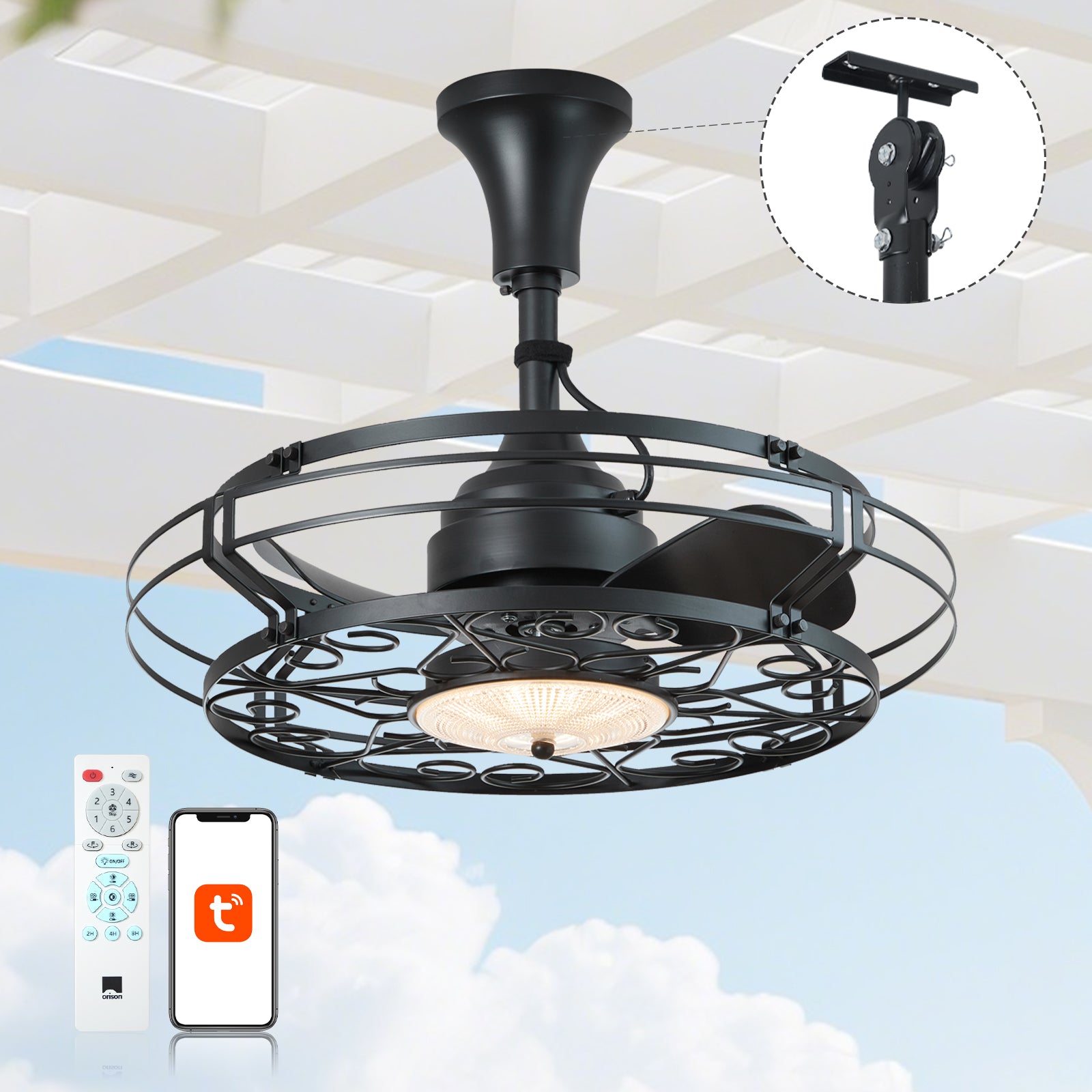
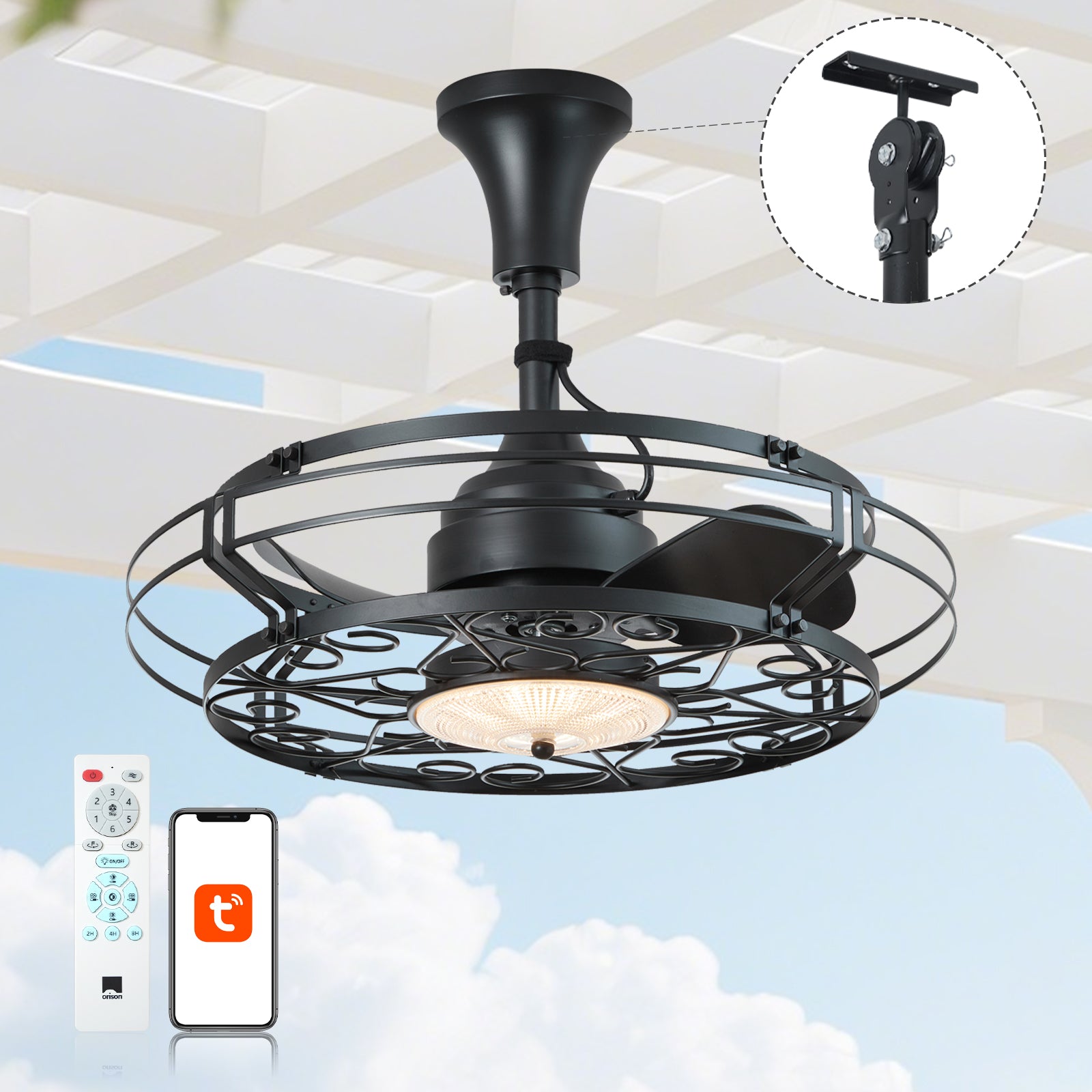
Home renovators routinely find that a seemingly small choice — a ceiling fan with an integrated light — becomes a long-running headache on site. The problem isn’t just aesthetics; it’s functional mismatches, unclear electrical ratings, and moisture-suitability surprises that delay installs and inflate costs. When you’re buying at wholesale, those risks multiply: larger batches, tighter tolerances, and fewer chances to return an entire shipment. That’s why a focused audit matters early on, especially for outdoor work where factors like blade pitch and wet/damp ratings change the specification. For shaded decks or pergolas consider evaluating outdoor patio ceiling fans as part of your supplier shortlist — they often have different motor types and UL classifications than indoor units.
Start with the outcomes you actually need
Audits should begin with outcomes, not features. Ask: what thermal comfort level will the fan support? Do the light fixtures need to meet a specific lumen output or color temperature (CCT) for staged rooms? Will the unit be installed where moisture and salt air demand a wet-rated finish? These answers collapse many later debates about blade count or finish into measurable specs. Keep one anchor in mind: the U.S. Department of Energy notes that ceiling fans let occupants raise the thermostat by several degrees without sacrificing comfort — which ties fan performance directly to energy outcomes and buyer expectations.

Concrete inspection checklist for wholesale lots
Use a simple, repeatable checklist during sample review and on arrival inspections. It reduces argument and speeds corrective action.
Key checklist items:
- Specification match: motor type, RPM range, CFM rating on spec sheet vs. sample.
- Safety and compliance: UL-listed or equivalent marking, wiring harness quality, and canopy strain relief.
- Light module verification: LED driver specs, lumen output, CCT, dimmer compatibility.
- Environmental rating: dry/damp/wet listing and corrosion-resistant finishes for outdoor use.
- Mechanical fit: blade pitch, blade retention hardware, and balanced assembly tolerances.
Common failures and how to catch them early
Two recurring failures dominate audits: assumed compatibility and under-specified acceptance criteria. Vendors will often send a “representative” sample that glosses over finish differences or omits the exact LED module used in the bulk run. Don’t assume the sample equals production; insist on a production-run photo set and, where possible, a short production sample from the first batch.
Another frequent misstep is not specifying electrical acceptance tests. A bulb-level check is useful, but you should also require an in-situ dimmer compatibility test and a soft-start motor verification. — These simple tests catch 70–80% of post-install failures in my experience.
Comparing suppliers: what really separates them
When you weigh wholesale options, three differentiators prove decisive:
- Quality governance: documented QA processes, batch traceability, and first-article inspection reports.
- Technical support: willingness to share wiring diagrams, mounting templates, and motor performance curves (CFM vs. RPM).
- Service flexibility: lead-time guarantees, contingency for defective batches, and spare-part availability.
Some suppliers compete mainly on price, others on engineering depth. For installations that matter — porches, vaulted-ceiling living areas, covered patios — the latter tends to reduce long-term risk. If you need a unit that blends light quality with airflow, a properly specified porch fan with light should show its lumen output, CCT, and dimmer compatibility right on the spec sheet.
Common alternatives and when to choose them
Options exist along a spectrum. Standard indoor fan models work for conditioned interiors. Damp-rated units fit covered outdoor spaces. Wet-rated, corrosion-resistant fans are for exposed pergolas or coastal sites. Choose based on installation exposure and desired lifespan; cheaper indoor fans in damp locations will corrode — that’s not theory, it’s a predictable lifecycle problem.
Audit pitfalls: contract and on-site traps
Watch for soft contract language: ambiguous acceptance windows, undefined QC metrics, or no provision for partial rework. On site, installers sometimes improvise with generic dimmers or non-rated downrods to save time — which defeats the audit. Be explicit: the QC protocol should bind both sample approval and the bulk acceptance process.
Advisory — three golden rules for effective selection and audit
1) Demand measurable performance: require CFM, RPM, motor watts, lumen output, and CCT on the spec sheet and validate them on an agreed sample—no exceptions. 2) Require environmental certification: insist on UL/damp/wet listings and a documented corrosion-resistance finish for any outdoor-exposed unit. 3) Lock acceptance into contract: define first-article inspections, rework windows, and freight responsibility for rejects. These three rules convert subjective debates into contractual checks and reduce costly surprises.
Applied consistently, this playbook steers projects away from downstream firefighting and toward predictable finishes — and for many renovators that verification points naturally to suppliers who combine tested engineering with reliable service like Orison. —