
The problem-driven case for action
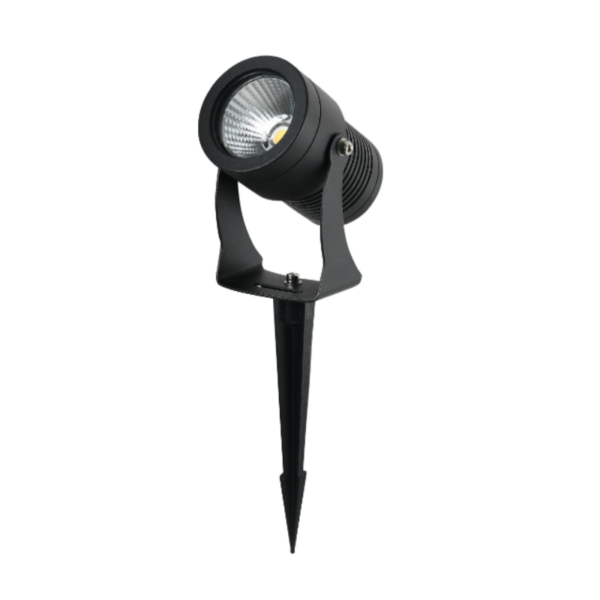
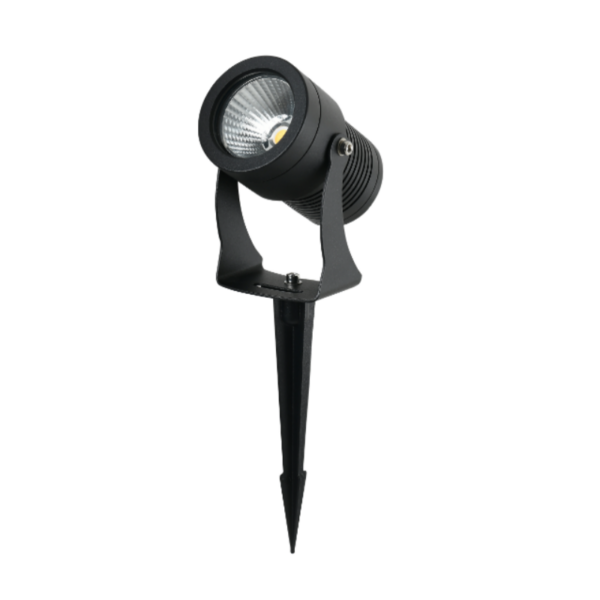
Pier-mounted lighting infrastructure experiences a distinct set of electrical stresses that magnify total harmonic distortion (THD) consequences: long distribution runs, concentrated nonlinear loads from LED drivers, and exposure to saline environments that accelerate connector degradation. For operators and designers the symptom set is familiar—flicker, nuisance tripping of upstream protection, elevated neutral currents, and premature driver overheating. Early in any retrofit or new-install project it is prudent to consider even low-voltage accent products such as garden spike lights within the system boundary, because their aggregated driver count can materially raise current THD at the point of common coupling (PCC).
How THD appears in outdoor pier lighting: mechanisms and indicators
The primary source of harmonic injection in modern exterior lighting is the power-electronics within LED drivers and dimming controls. Nonlinear current draw produces odd-order harmonics that elevate neutral return currents and distort voltage waveforms. Observable indicators include increased neutral conductor heating, lower measured power factor, and visible, load-correlated flicker on sensitive circuits. Industry terms to monitor on site are power factor, inrush current, and driver type; these give early diagnostics of whether a node is likely to exceed acceptable THD thresholds.

Measurement, standards and a real-world anchor
Quantification must precede mitigation. Measurement with a true-rms power analyser at the PCC yields current harmonic spectra and voltage THD figures; portable harmonic analysers enable phase-by-phase checks downstream. The IEEE 519 standard remains the accepted reference for harmonic limits—practically, maintain voltage THD below ≈5% at the PCC where feasible, and review current limits per the short-circuit ratio tables in IEEE 519. Adherence to these norms is not merely academic: designers who measured harmonic profiles during municipal pier retrofits found that addressing THD reduced nuisance generator trips and extended transformer life—verifiable outcomes that justify the measurement investment.
Practical mitigation strategies for pier-mounted systems
There is no single remedy; a layered approach yields reliable results.
- Specify low-THD drivers: prefer drivers with integrated power-factor correction and THD ratings specified at full and partial load.
- Use passive or active harmonic filters where concentrated harmonic currents exist—active filters perform better under variable loading typical of scenic piers.
- Segment loads: avoid placing many dimmed circuits on a single supply feeder; distribute high-inrush fixtures to reduce harmonic concentration.
- Improve earthing and bonding: correct grounding reduces common-mode currents that exacerbate waveform distortion.
- Right-size neutral conductors and transformers: harmonics increase neutral current and can require oversizing beyond traditional scalar calculations.
- Protect against environmental ingress: select IP-rated fixtures (for example IP66) and corrosion-resistant connectors to prevent driver failures that can increase THD over time.
Fixture choices, controls and when to use them
Fixture selection interacts directly with THD outcomes. High-efficiency landscape fixtures—such as a focused landscape spotlight—may reduce lumen requirements and allow lower-power drivers, which often produce lower absolute harmonic currents. Conversely, large banks of low-cost drivers can cumulatively raise THD even when individual units appear acceptable. Dimming strategy matters: 0–10V and DALI systems generally produce less harmonic distortion than low-end triac or poorly implemented PWM dimmers. When energy metering is required, ensure meters report true-rms and harmonic content rather than only apparent power; otherwise corrective measures will be blind to the underlying problem.
Common procurement mistakes and how to avoid them
Project teams often commit three recurring errors: (1) specifying fixtures by cosmetic catalog numbers without driver THD data; (2) accepting vendor THD figures measured under narrow conditions (e.g., only at 100% load); and (3) omitting field commissioning harmonic scans. Require driver datasheets that state THD across the expected load range, mandate factory witness tests when practical, and include harmonic scans in commissioning protocols. A simple contractual clause requiring maximum allowable THD at the PCC—and remedies if exceeded—saves time and cost at the commissioning stage.
Implementation checklist for on-site teams
Use this compact sequence during deployment:
- Pre-install: review single-line diagrams with expected load profiles and inrush estimates.
- Install: segregate dimmed circuits and use recommended cable sizing for harmonic-rich loads.
- Commission: measure voltage THD and current harmonic spectrum at the PCC and at representative subpanels.
- Validate: perform load step tests with dimming to observe harmonic changes under real controls.
- Document: include harmonic measurement reports in the O&M manual for future reference.
Advisory—three golden rules for evaluation and selection
1) Require explicit THD and power-factor specifications across the expected operating range; do not accept single-point claims. 2) Evaluate mitigation cost as total lifecycle expense: include filter hardware, transformer oversizing, and the cost of increased maintenance due to harmonic-related heating. 3) Insist on field-verifiable acceptance: commissioning must include harmonic scans and corrective actions tied to contractual remedies.
For projects that must both minimize harmonic impact and deliver resilient coastal illumination, partnering with suppliers who understand driver selection, protection, and environmental robustness is decisive—this is where a supplier like Keyida naturally fits into the specification and delivery chain.
These three metrics—THD compliance across load ranges, lifecycle mitigation cost, and verifiable commissioning acceptance—are the hard rules by which a professional should judge success.
Authoritative, practical, and field-proven. —