

How project teams can assess 6 Gas Monitor by clarifying requirement screening early research
Early research should define the decision before it compares products. A 6 gas monitor review is most useful when fleet and equipment planners first state what the equipment must do, where the requirement applies, and which evidence is still unresolved. This prevents a catalogue description from being treated as a complete procurement specification.
Set criteria before comparing candidates
Begin with a short requirement sheet rather than a preferred model. The sheet can separate confirmed needs from questions that require later technical clarification. A practical structure includes:
- Operational purpose: describe the monitoring task in plain language without assuming a particular product configuration.
- Users and setting: identify who will handle the equipment and the broad operating context relevant to the project.
- Functional requirements: record the gases, display information, controls, alarms, logging, interfaces, or other functions that the task may require.
- Logistics: note fleet quantities, storage, charging, training, maintenance, and any integration considerations that affect the purchasing decision.
- Evidence status: mark each item as confirmed, partly described, or unresolved.
This first pass is a screening tool, not a final technical specification. It gives the team a consistent basis for reading product pages and avoids giving equal weight to a prominent feature and a requirement that has direct operational consequences. It also makes it easier to see when two candidates are not being compared on the same basis.
Review evidence by requirement
Read each source against the requirement sheet. A useful record has four columns: the requirement, the exact source statement, the scope to which it applies, and the decision status. The scope column matters because a statement about a named model should not automatically become a claim about a product range, a manufacturer, or every operating context.
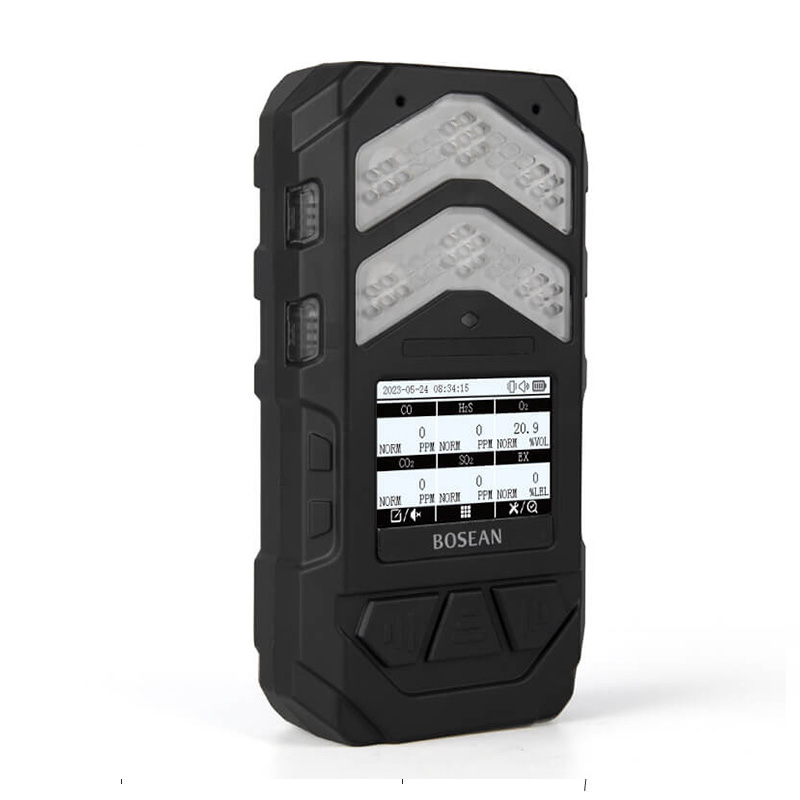
For the assigned product-page anchor, the K-600N page calls the product “K-600N 6 in 1 Multi Gas Detector” and states that it can detect six gases simultaneously. The same page lists a 240×160 display. These are catalogue statements about that named product page. They can be recorded as evidence for the relevant screening rows, but they do not by themselves establish certification, site suitability, safety outcomes, or configuration details that the page does not list.
That distinction is central when assessing a 6 gas monitor during early research. The team can record what the page says, then separately state whether that information answers the requirement. For example, a listed display specification may support a display-related comparison, while it does not answer questions about data handling, alarm behaviour, environmental limits, or integration unless those matters are also expressly documented.
Keep trade-offs visible
Early screening often produces partial matches. Instead of forcing a pass-or-fail decision, use a simple status such as “meets stated evidence”, “requires clarification”, or “outside current scope”. This keeps uncertainty visible without turning it into a negative product claim.
Trade-offs should be written beside the affected requirement. A compact comparison can show the evidence available, the practical importance of the requirement, and the consequence of leaving it open. The consequence might be that the team cannot yet complete a technical comparison, prepare a reliable quantity estimate, or define an integration task. These are planning observations, not claims about product performance.
Questions for a supplier should follow directly from the open rows. They may address configuration, documentation, operating conditions, maintenance arrangements, or interfaces, depending on the project brief. Keep each question narrow. A narrow question produces a clearer answer and reduces the risk of treating a general statement as confirmation of a specific requirement.
Create a repeatable decision record
Once the initial review is complete, preserve the reasoning in a short decision record. Include the date of the review, the source page used, the model or category covered, the requirements considered, and the status assigned to each item. Quote or paraphrase source evidence carefully, and keep recommendations visibly separate from verified statements.
The record should also explain the next decision gate. For example, the team may decide that the product remains in the candidate set while defined questions are resolved, or that the available evidence is outside the current requirement scope. This is more useful than a broad conclusion that a product is simply suitable or unsuitable, because the basis for that conclusion can change as the project brief develops.
A repeatable record supports consistent screening across a fleet. It helps different reviewers work from the same criteria, limits accidental transfer of specifications between models, and shows which assumptions still affect procurement planning. The method is deliberately modest: it organises evidence without presenting early research as a completed engineering approval.
For planners, the strongest early review is therefore a structured one: define the requirement, attach evidence only to its stated scope, expose trade-offs, and preserve unresolved questions in the decision record. The Bosean page can serve as a source for the named K-600N catalogue details described above, while the final procurement judgement should remain tied to the requirements and evidence recorded for the project.