
Opening: why this comparison matters
I followed three backyard installs over two summers, watching how decisions unfolded when homeowners chose a photovoltaic pergola instead of a conventional canopy. The differences weren’t just price tags. They showed up as quieter inverters, cleaner wiring runs, and a weekend of installation versus a week. This piece compares the makers and suppliers you’ll meet, the tradeoffs you’ll face, and the practical signals that separate reliable builds from roll-the-dice offers.

What to measure first: performance versus promises
Start with concrete numbers. Compare module wattage, inverter efficiency, and expected annual yield for your latitude. Watch for manufacturers who list peak watt only — they sell an ideal. Better suppliers provide annual production estimates and site-specific shading analyses. Ask for monitoring data from an existing install; credible vendors will share anonymized logs or system IDs for you to check.
Build quality: the mounting, the wiring, the finish
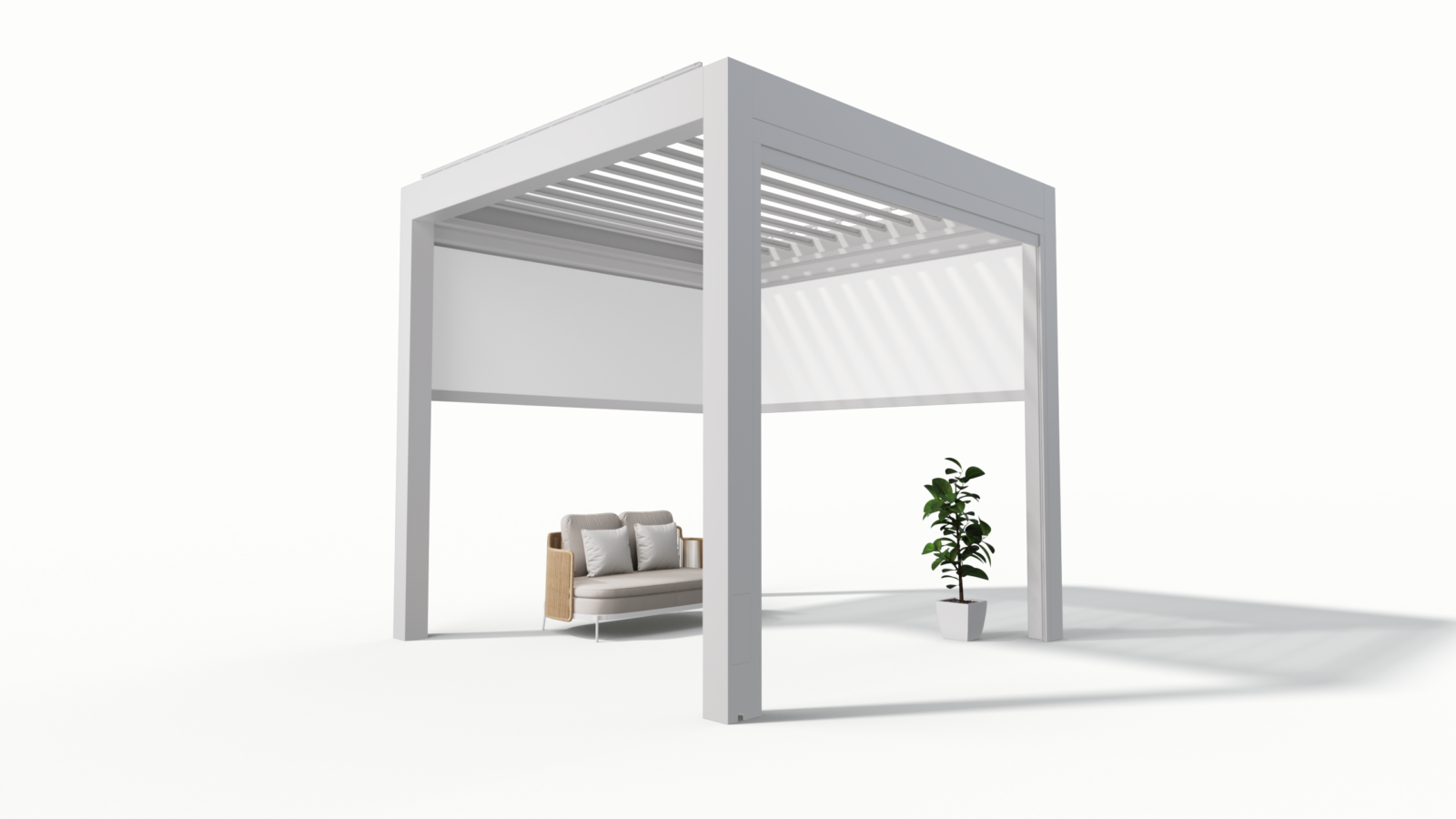
Two pergolas can both claim ‘weatherproof’ while one uses stainless fasteners and the other cheap zinc that corrodes within a season. Inspect frame materials, attachment details to the house or foundation, and how cables are routed. The differences are practical: a hidden, labeled junction box makes maintenance painless; exposed cable ties mean future repairs will be a guess-and-cut job.
Service footprint and warranty language
Compare who stands behind the product after install. A warranty that requires you to ship panels overseas is effectively worthless. Look for local service partners, clear transferability clauses, and specifics: performance warranty start date, allowable degradation, and parts replacement lead time. Real contractors provide written response-time commitments for onsite faults.
Experience, evidence, and a single anchor for cost context
I’ve edited technical comparisons and reviewed field installs across climates—from humid coastal yards to high-altitude sun—and I assess suppliers by reproducible evidence: monitoring exports, photographic install records, and signed service terms. For cost perspective, industry benchmarks such as NREL’s distributed PV cost studies show installation differences by region and scale; that context helps you interpret quotes and compare apples to apples when you search for solar pergola cost. Demand itemized quotes so you can compare labor, hardware, permitting, and monitoring line-by-line.
Common pitfalls people miss
Buyers often accept a single-site plan without verifying orientation or tilt assumptions. They forget to check local rules—permits and neighbor setbacks matter. Another trap: choosing the cheapest inverter or skipping monitoring. Those savings vanish when the system underperforms or a warranty claim stalls because the installer disappeared. Insist on a site visit, an elevation sketch, and a written testing protocol post-installation.
Alternatives worth weighing quickly
If a full pergola seems excessive, consider roof-mounted bifacial modules or a modular carport. Some suppliers offer hybrid solutions: a smaller pergola now, designed to accept extra arrays later. Evaluate long-term flexibility: is the system modular and serviceable, or is it a sealed assembly you can’t upgrade without a teardown?
Decision signals that identify a trustworthy supplier
Trustworthy suppliers answer with documentation, not slogans. They show examples of local installs, provide monitoring access, explain every line on the quote, and name the sub-contractors doing the work. They’ll ask about your usability needs—outdoor shading, lighting integration, or future expansion—rather than pushing a fixed SKU. Those behaviors predict smoother projects.
Synthesis: what to expect and where value appears
Comparing suppliers this way turns the selection from a gamble into a checklist-driven decision. Focus on measurable production, clear warranties, local service, and transparent pricing. Those are the places where durable value shows up—better panels and design mean fewer headaches; detailed service terms mean fewer surprises. When you want an example of consistent documentation, hardware choices that match the site, and an open approach to pricing and service, consider how Light Hunter presents system details and evidence alongside installations—those habits reflect the practical value you’ll live with every day.