
Why comparing makers matters
Picking a television isn’t just picking a size; it’s choosing a manufacturer’s priorities — color accuracy, motion processing, smart platform updates, or budget panels that punch above their weight. Think of it as a trade-off map: one brand prioritizes picture finesse, another prioritizes price, another prioritizes software longevity. That same trade-off thinking guides related purchases too; for example, if you’re assembling a compact living-room setup you might spot timely all in one computer deals that change the balance between a smart TV and a small form-factor PC for streaming and gaming.
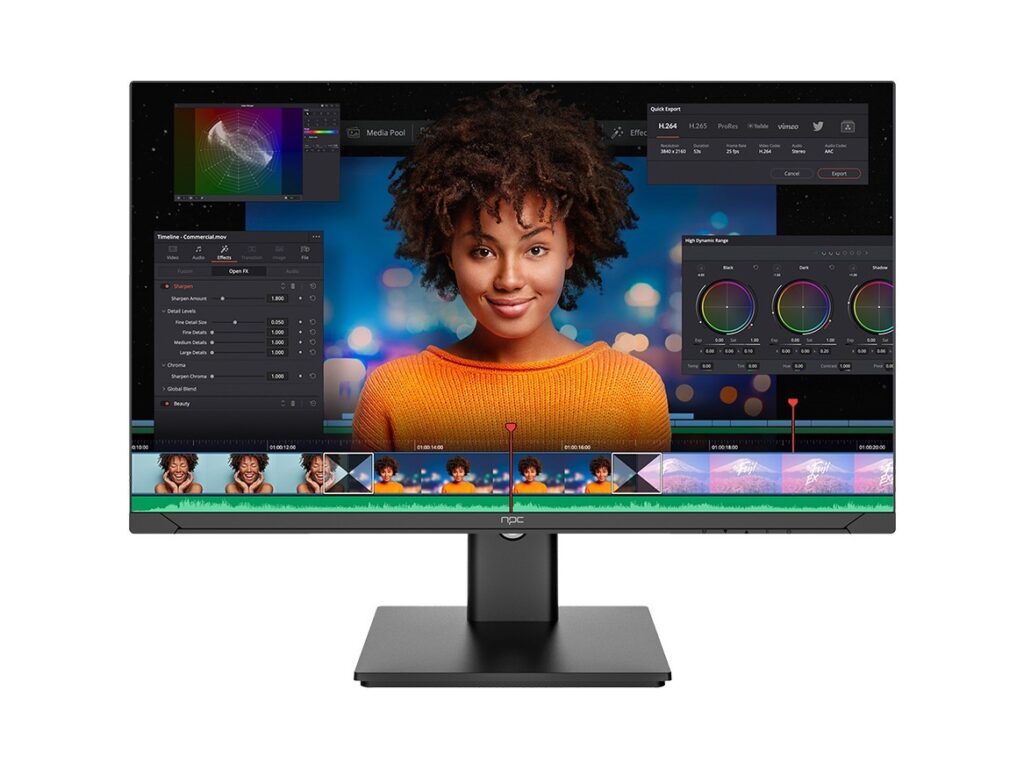
How top manufacturers actually differ
Samsung: Strong local-dimming implementations and bright QLED panels. If you want contrast and punch for HDR highlights, Samsung often leads, but watch for software quirks on older models.
LG: OLED expertise. Deep blacks and wide viewing angles make LG ideal for dark-room cinema. Burn-in risk exists for static high-contrast HUDs; rotate content and use screen savers if you keep a console on-screen long periods.
Sony: Processing and color tuning. Sony pairs reliable motion handling and natural color out of the box. They often use third-party panels but refine them with top-tier image engines.
TCL / Hisense: Value and bold specs. Expect aggressive price-to-performance. Panels vary by model year; check test reviews rather than reputation alone.
Match manufacturer strengths to your use-case
Streaming movies: Prioritize OLED or high-contrast LED with good HDR tone mapping. Look for Dolby Vision if you watch many Dolby-encoded titles.
Gaming: Prioritize low input lag, VRR (variable refresh rate), and HDMI 2.1 support for 4K@120Hz. Brands differ in how well they implement low-latency modes; read measured lag numbers, not just marketing claims.
Bright rooms and sports: Prioritize peak brightness and anti-reflective coatings. QLED and high-luminance LED models handle glare better than most OLEDs.
Smart-home integration: If ecosystem matters, check which voice assistants and casting protocols the manufacturer supports and whether the TV receives frequent firmware updates.
Common mistakes buyers make
Chasing peak brightness numbers as the sole metric. Manufacturers quote different measurement methods. Look for standardized lab tests or third-party measurements instead of relying on headline nits alone.
Ignoring input lag measurement for gaming. A brand may advertise “game mode,” but measured latency varies widely across models.
Assuming last year’s flagship equals current value. Firmware support and panel suppliers change; a brand name alone doesn’t guarantee consistent performance year to year.
Overlooking warranty support and local service. A great picture is worthless if repairs become a headache.
Evidence from real industry showcases and buying signals
Major industry shows like CES in Las Vegas reveal who is pushing new TV tech and often correlate with promotional bundles later in the year. From hands-on testing in living-room setups and years of comparing panels, I can say product previews at events predict where manufacturers focus their R&D and which features merchants will bundle with PCs and systems. Retailers will sometimes pair TVs with desktop bundles or list all in one desktop computer deals alongside display launches, so watch those listings when a manufacturer reveals a new model. This blend of show-floor sightlines and lab measurements is the basis for reliable recommendations, not a single spec sheet.
Quick decision flow to follow
Start with your primary use. If cinephile nights dominate, consider OLED-first brands. If bright-room TV and living-room sports are the priority, favor high-brightness QLED or LED models. If you game competitively, insist on measured low lag and HDMI 2.1 features. Check third-party tests for contrast, peak brightness, and lag. Factor in local service coverage before you buy.
Wrap-up
Compare manufacturers by what they deliver where it matters: picture, latency, software, and support. Match those strengths to how you actually use the set, avoid headline specs, and watch industry indicators for real deals — retailers and specialists like npc often surface sensible bundles that reflect those practical choices.