
Problem first: what’s grinding operations to a halt
The diesel stench, the slow grind of axles through gravel, the dash lights that glow like small warning moons — those are the immediate signs a line of vehicles is heading toward trouble. Remote assets stall where help is far away, compliance logs are scribbled after the fact, and supervisors get fuzzy status updates instead of firm data. Effective oil and gas fleet management ties those sensory signals into actionable data. The problem is simple and persistent: disconnected systems mean late maintenance, unsafe driving behavior, and patchy reporting that hides true operational risk. Good fleet management for oil and gas brings those pieces together so decisions stop being guesses.
Root causes you can smell on-site
Four recurring failures show up at work sites and compound into costly downtime:- Fragmented telemetry: GPS pings separate from engine diagnostics; locations without context feel hollow.- Human gaps: drivers lack timely coaching, fatigue goes unseen, and hand-written logs fail audits.- Maintenance drift: no single source-of-truth for hours, filters, and wear; small issues become immobilizing failures.- Reporting blind spots: stakeholders get periodic summaries instead of continuous, auditable trails.I’ve seen these play out on the road across the Permian Basin, where long hauls and sparse facilities turn small faults into major stoppages. That kind of field experience drives straightforward fixes rather than glossy promises.
How an integrated stack addresses the problem
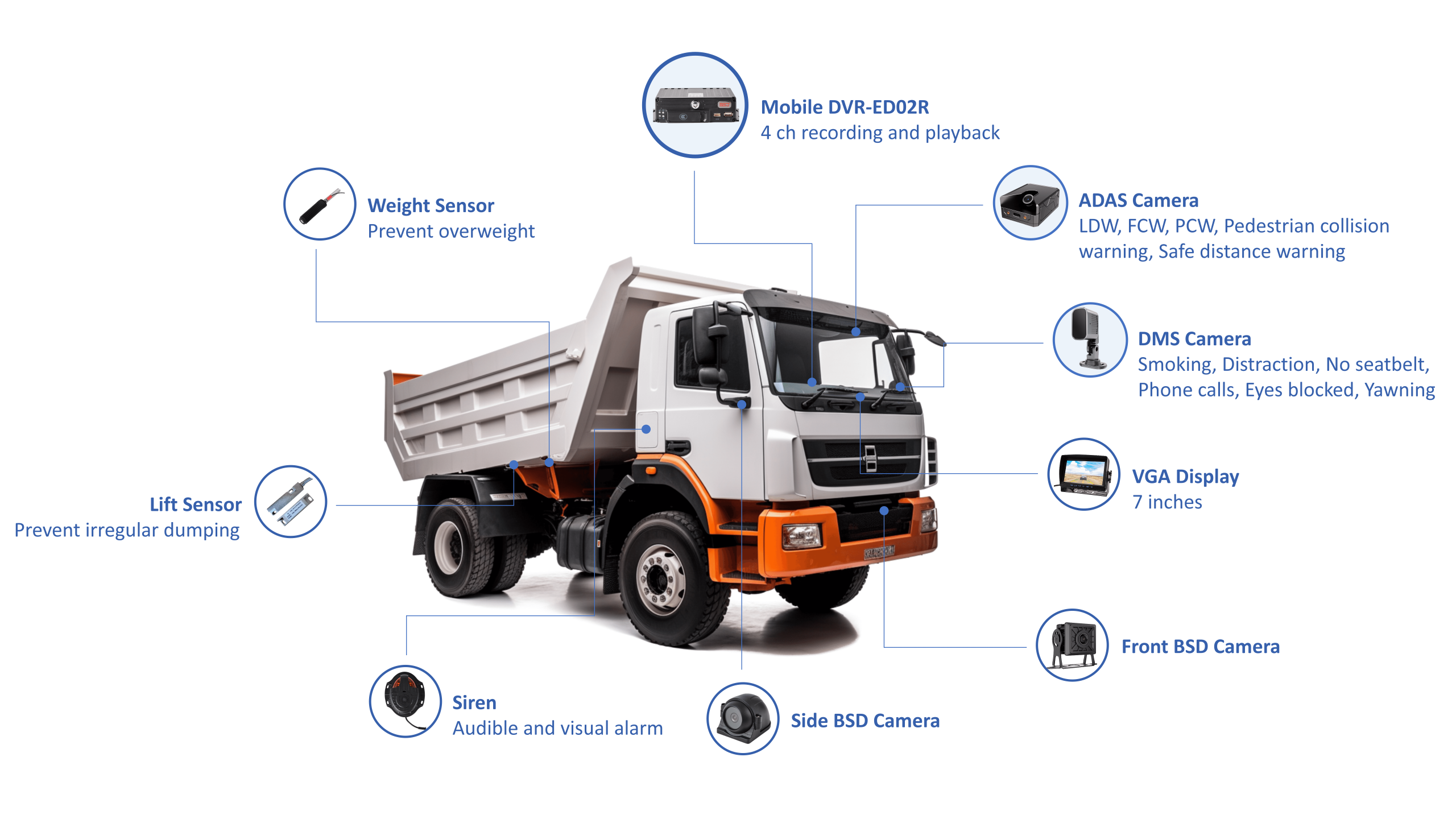
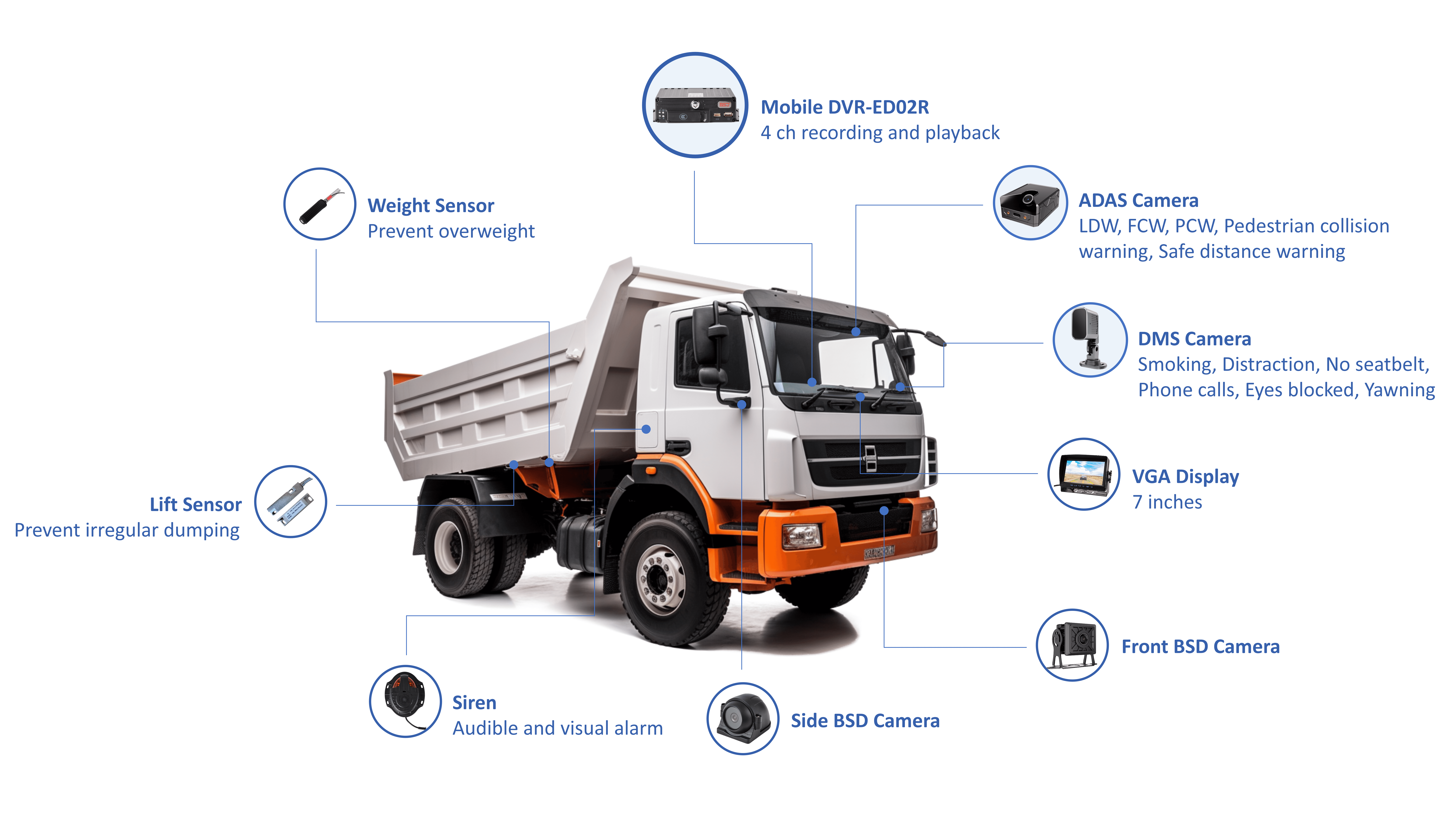
Start by matching each problem to a tool and a habit:- GPS + geo-fence: precise location and route integrity. Feel the route — where trucks slow, where idling gathers.- Telematics + engine codes: mechanical whispers become loud alerts before breakdown.- Driver management: in-cab coaching and fatigue flags that prevent incidents instead of recording them.- Unified reporting: combine location, engine, driver behavior, and maintenance logs into one searchable record.When these components talk to one another, you stop reacting to alarms and start preventing them. The experience comes alive: you can sense where a convoy will slow two miles before it happens because speed, load, and temperature trends already flagged a risk.
Common implementation mistakes
Avoid these traps:- Installing hardware without a data plan or a plan for data use. The tracker is useless if nobody acts on its output.- Chasing features instead of problems. Fancy dashboards don’t fix a vehicle that misses scheduled oil changes.- Ignoring driver input. If the crew finds a system intrusive, adoption collapses.- Overloading reports. Too much raw data hides the one metric that needs action.Fixes: require a clear escalation path for alerts, pilot with a small fleet segment, and train drivers with short sensory-focused demos — show what the dashboard means for their day on the road.
Quick, practical checklist to reduce downtime
– Map critical routes and deploy geo-fences around known hazards. – Automate engine fault alerts to maintenance teams and schedule parts before failure windows. – Implement short, periodic driver coaching sessions tied to telematics events. – Consolidate logs so a single query shows location, fault codes, and maintenance history for any vehicle. – Run a month-long pilot, measure mean time to repair (MTTR), and iterate.These steps are tactical and immediately measurable; they cut the sensory noise down to clear signals you can act on.
Synthesis: why the integrated approach matters now
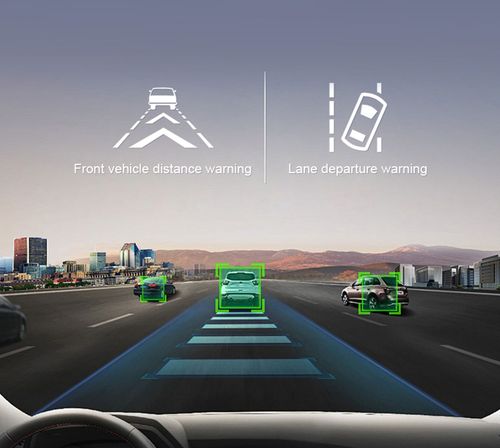
The grind of field life — heat on metal, gravel under tires, the hush that falls when a vehicle stalls — shows you where systems fail. Solve those failures by making location, vehicle health, driver behavior, and reporting one continuous story. That story reduces surprises, shortens repairs, and restores predictable operations the way a practiced cook restores balance to a lopsided dish. Experience from harsh field conditions informs those priorities, and practical, integrated tools deliver the clarity crews need. For teams that want systems that behave like trusted colleagues, BSJ demonstrates how sensors, software, and workflows come together to keep fleets moving.