
Introduction
Have you ever watched a part come off a machine and wondered how a single mistake can cost a full shift? I ask that because I’ve stood on shop floors where one tiny tolerance slip wrecked an expensive batch. A CNC turning and milling machine sits at the heart of that story — it does the heavy work, but the small details make or break outcomes (I’ve seen it first-hand).
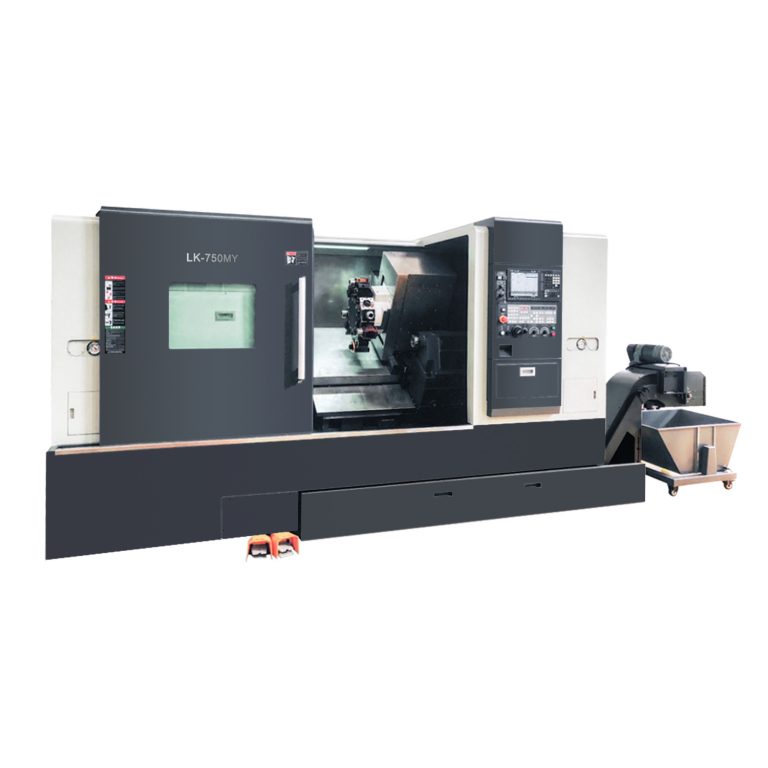
Data tells us mistakes aren’t rare: scrap rates in some mid-sized shops still hover in the high single digits, and cycle time variance eats profit quietly. So what really causes those gaps between the program on screen and the part in your hand? Is the machine to blame, the CAM, or the way we set expectations? That’s the question I want us to answer next.
I’ll walk you through the weak spots I see daily. Then we’ll look at how practical choices can close the loop. — Let’s get into the technical heart of the problem.
Hidden Flaws in Traditional Workflows
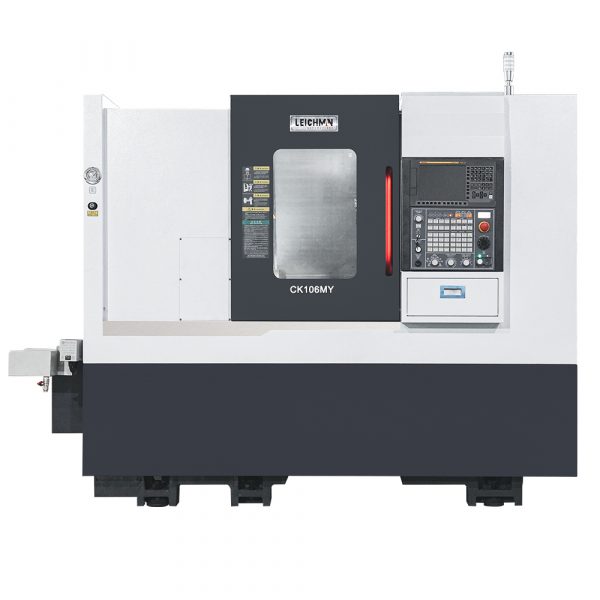
cnc milling and cnc turning systems promise repeatable precision, yet traditional workflows still leak performance. I’ve traced the failures to a few persistent issues: sloppy setup, outdated tool libraries, and assumptions about spindle speed that don’t match the material at hand. The controller prints a neat program, but the reality on the table — worn tool turret, imperfect fixtures, backlash in leadscrews — often undermines it. Look, it’s simpler than you think: the machine can only do what we feed it, and bad inputs become bad parts.
One big flaw is the way shops treat setup as a separate task instead of part of the manufacturing loop. We use trial cuts and hope for the best. Meanwhile, coolant system tuning, the right feed rates, and verifying G-code against the actual fixture get short shrift. I’ve corrected dozens of jobs simply by adjusting feed down 10% and checking tool offsets — small changes with measurable returns. Those are the low-hanging wins many teams miss.
Why does this still happen?
Routine. Pressure. Overconfidence in a CAD file. We underestimate variables like thermal growth and slight spindle runout. Add a few industry terms: servo motors with creeping torque, linear guides that pick up dirt, and the cumulative effect of tiny error sources. I’ll be blunt: ignoring these gives you unpredictable output. — Funny how that works, right?
Looking Ahead: Technology and Selection Criteria
Now, I want to shift from diagnosing to planning. If you’re choosing a machine today, consider how new principles change daily operations. For example, better control architectures reduce cycle time variance. Modern toolpath optimization and adaptive feed rates help, too. When I evaluate potential upgrades I look for real features: closed-loop control on spindle and axes, robust coolant management, and easy integration with your CAM post-processor.
One useful frame is to compare systems on measurable bases rather than shiny specs. Case in point: a shop I advised replaced a small lathe with a hybrid unit and saw scrap drop by half within two months. They didn’t buy features; they bought consistency — and that came from tighter spindle tolerances and a smarter tool turret. If you want to see real gains, test the process with your actual parts, not the glossy demo pieces.
What’s Next?
Looking forward, I expect control software to play a bigger role. Real-time monitoring, predictive maintenance, and smarter feeds will tighten tolerances without increasing operator work. And yes, the machines will get better at self-correcting for things like thermal drift. That won’t replace human judgment — but it will amplify it. I want you to think about “cnc milling and turning” choices in the same way: not just a purchase, but an investment in consistent output and lower total cost of ownership. cnc milling and turning should be selected with workflow fit in mind, not just top speed.
Here are three practical metrics I recommend every shop use when choosing or evaluating a system:
1) Repeatability under load: measure actual part-to-part variance over a full shift (not a single tool change).
2) Integration overhead: how many hours to get from CAM post to reliable first-part? This includes verifying G-code, fixture setup, and tool offset time.
3) Maintainability score: ease of replacing wear items (belts, filters), access to diagnostics, and the clarity of error logs.
These metrics give you a real view of performance, not just marketing numbers. I’ve used them with shops that saw clear ROI in months — measurable cycle time reduction and fewer rejects. — and yes, I mean that literally. If you want to dig deeper, I can show templates and checklists I use for audits.
For practical selection and proven hardware, I often point peers toward trusted vendors who balance features with service. When you’re ready to take the next step, consider the options and choose one that matches your process goals. For reliable information and product support, see Leichman.