
Why a side-by-side matters
There’s a quiet calculus behind every rooftop battery decision. Numbers whisper, contracts hide clauses, and the wrong choice can sit unused while opportunities pass. This is why a comparative view matters — to parse not just capacity but capability. Think of a home battery energy storage system scaled up for business: similar building blocks, very different outcomes when configured for commercial markets.
What revenue stacking really demands
Revenue stacking is a puzzle of services: demand charge reduction, peak shaving, demand response, and market or utility-driven programs. Each stream needs specific traits — fast dispatch, predictable round-trip efficiency, and seamless controls. The power electronics matter: three-phase inverters, robust battery management systems (BMS), and clear interconnection pathways. In many commercial sites the preferred architecture is high-voltage, 480V three-phase; it reduces inverter steps and improves efficiency — hence the rise of 480v 3 phase battery backup in site designs.
Comparative criteria that cut through the noise
When you place two containerized systems side-by-side, judge them by practical, measurable axes:
- Power versus energy: kW rating (peak deliverable) and kWh capacity (duration of discharge).
- Electrical architecture: native 480V three-phase coupling, inverter topology, and harmonic performance.
- Controls and telemetry: cloud dispatch, API openness, and response times for automated programs.
- Scalability and footprint: how modules stack, commissioning time, and site civil needs.
- Lifecycle and warranty: cycle life, degradation curve, and warranty terms tied to throughput.
These axes make comparisons concrete — and avoid headline metrics that obscure operational limits.
How common architectures differ — a quick decode
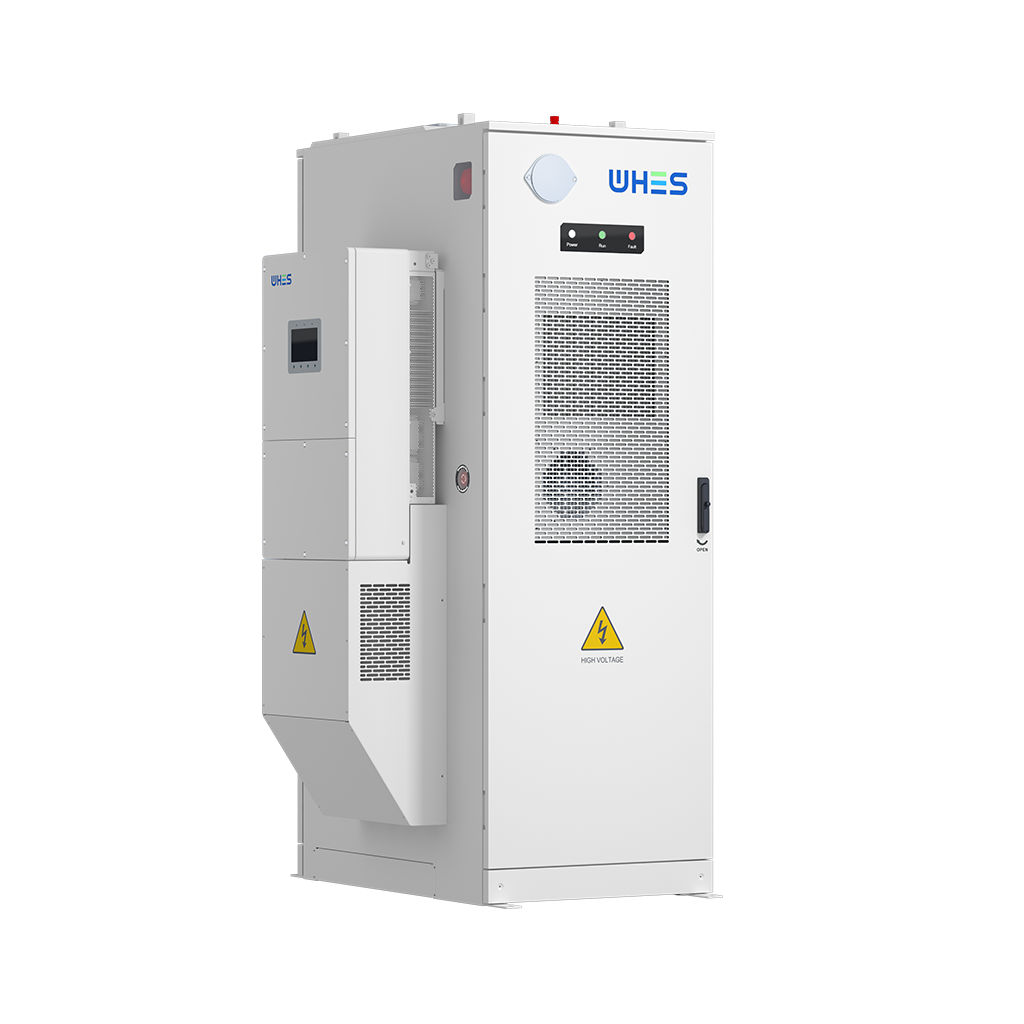
There are three familiar approaches: low-voltage AC-coupled racks, medium-voltage DC-coupled containers, and containerized 480V three-phase systems aimed at commercial sites. AC-coupled racks are flexible and modular but often require step-up transformers for larger facilities. DC-coupled containers with higher native voltage cut conversions but demand careful inverter selection. The 480V three-phase containers simplify integration with building distribution and reduce inverter stages — fewer conversion losses, cleaner peak shaving. Each has trade-offs in cost, complexity, and performance.
Real-world anchor: why operators reacted
Look at recent heatwaves in California — rolling blackouts exposed how commercial sites with storage could shift load, avoid demand spikes, and participate in emergency programs. Facilities that deployed three-phase, containerized systems saw clearer returns during those events: avoided demand charges, fewer operational disruptions, and, in some cases, participation payments from utilities. These outcomes drove procurement changes across regions where demand charges bite hardest.
Common mistakes teams make — and how to avoid them
They buy the biggest kWh number and expect magic. They skip integration tests with their actual switchgear. They assume all “grid services” are the same. The fixes are straightforward: size to both power and duration needs; run factory acceptance tests with your site controls; negotiate performance guarantees that match target programs. — Also, don’t underweight commissioning and operator training; a technically perfect system that operators can’t use is a sunk asset.
Alternatives and when to choose them
For short-duration demand charge shaving, high-power, lower-energy configurations win. For resiliency and islanding, larger energy capacities and LFP chemistry choices matter. If site interconnection is constrained, smaller distributed units may be preferable to a single container. For fast frequency or ancillary services, choose systems with sub-second inverter response and market-grade telemetry. Each alternative answers a different revenue or resilience priority.
Evaluation checklist for procurement
When comparing vendors, insist on these deliverables before signing: full electrical one-line diagrams, factory test reports, degradation models tied to expected cycles, and latency figures for controls. Ask for modeled ROI under your utility tariff — not vendor-ideal scenarios. Include operations cost forecasting: thermal management, spare parts, and software licensing. These details separate marketing from measurable cashflow.
Three golden rules — Advisory close
1) Measure by outcomes: prioritize peak capacity (kW) and usable energy (kWh) against your tariff structure, not nominal specs. 2) Favor native integration: choose architectures that minimize conversion stages (480V three-phase where practical) and provide open APIs for dispatch. 3) Insist on proven O&M and performance guarantees — warranty language tied to throughput and cycle metrics keeps risk with the vendor.
Decisions made with that checklist favor solutions that actually deliver — and that’s why experienced asset managers look toward integrated providers who can stand behind modeled performance. WHES. —