
Introduction
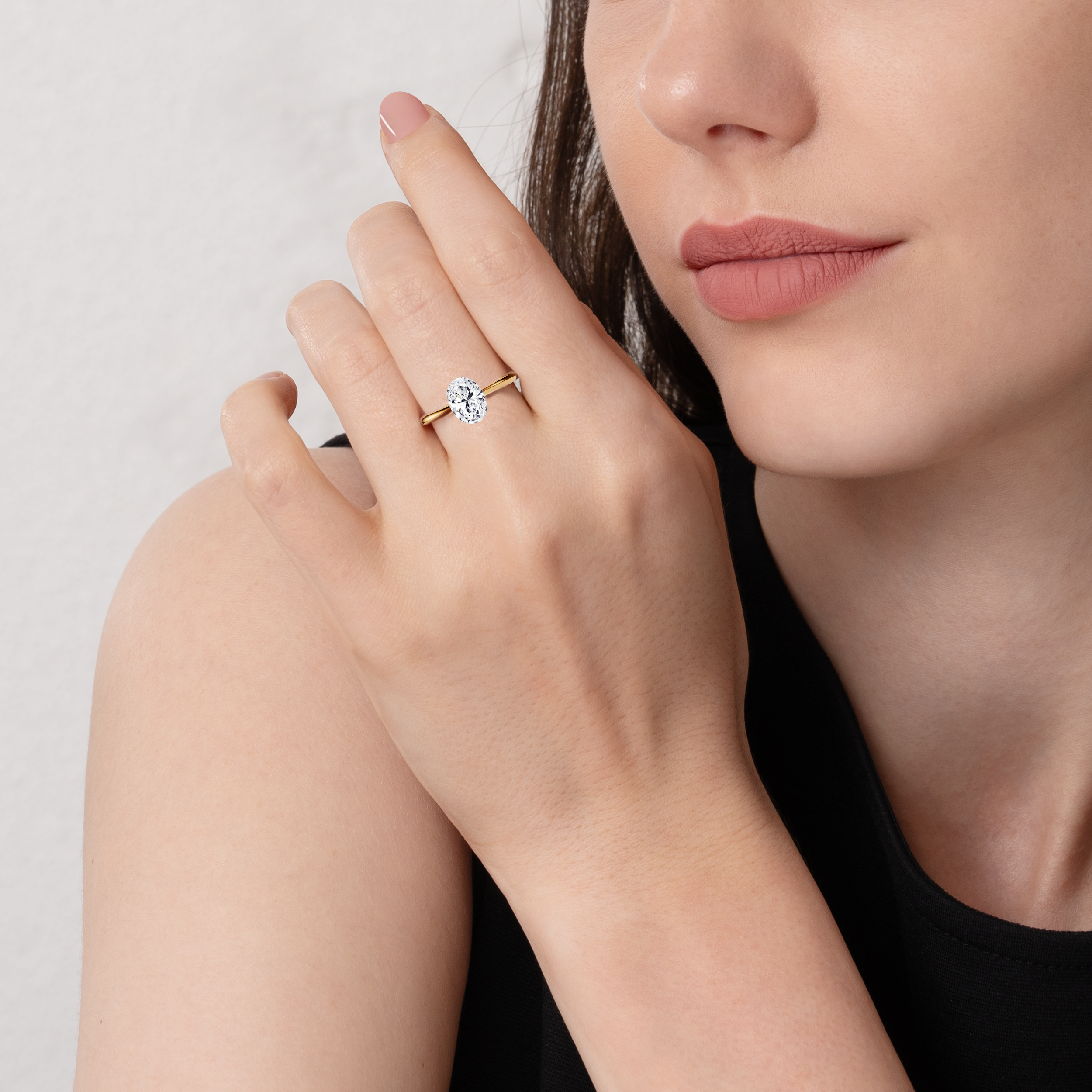
Do we really choose jewellery for life, or for the brief thrill at the counter? Many of us cherish classic jewelry pieces passed down in the family or bought for milestones. On the Monday commute, though, what actually sits on the wrist or ear is often a simple, sturdy piece—something that survives a crowded train. Industry chatter suggests over half of new diamond buys are intended for daily wear, yet many end up parked in lockers. With chic diamond jewelry, the promise is everyday sparkle without fuss, but does the promise match the practice? (Be honest, we have all made a “special” purchase that felt too special to use.) So, how do we bridge the space between aspiration and the morning rush?

Here is the rub: design meets reality at the level of comfort, not just shine. The clarity scale and carat weight may sway the heart in the showroom, yet the bezel setting or prong profile decides whether a piece snags a saree pallu. In India’s warm climate, an alloy that is soft may dent, while a high-polish ring shows scratches faster. The question we must ask is simple: what makes a piece both enduring and inviting for daily wear? Let us step into the practical layer, and carry this thought forward.
The Hidden Snags Behind Everyday Sparkle
Where do the small frictions hide?
Let us be direct and a bit technical. Most daily-wear gaps come from three factors: geometry, surface finish, and metal behaviour. The cut grade shapes how a stone meets light, but it also affects height on the finger; a tall pavilion can knock against laptops and door handles. The prong setting may look delicate, yet sharp tips can catch threads. Fluorescence under harsh LEDs may change the perceived tone indoors. Look, it’s simpler than you think: if design ignores use-cases—typing, cooking, frequent handwashing—micro-irritations add up. Result? The piece sleeps in a box, despite its gorgeous fire and clarity.
Traditional fixes do not always solve this. Oversized halos promise presence but increase snag risk. Ultra-thin bands feel elegant yet bend where alloy hardness is low. Mirror polish looks premium but shows hairline scuffs within days—quite the paradox, no? The better route is pragmatic: low-profile baskets, smooth-shoulder transitions, rounded prongs, and balanced pavilion depth so the ring sits closer to skin. Add a subtle satin finish to mute micro-scratches without losing the diamond’s brilliance. When design respects everyday ergonomics, the wearer stops “managing” the piece and simply enjoys it.
From Bench to Byte: The Forward Edge
What’s Next
Now, let us look ahead with a comparative lens. New workflows blend craft and code: CAD modelling measures seat height to a tenth of a millimetre, while finite-element checks simulate stress at the shank. Parametric libraries map prong torque to stone size and cut grade, and spectrometer data ensures colour consistency across batches. Pair that with a sustainable stone option like a pear cut lab diamond, and you can tune pavilion angle and table size to maximise light return for the exact ring profile you need—without raising the setting. This is not design theatre; it is repeatable control. Less snag, more sparkle—funny how that works, right?

We have learnt a few clear lessons: comfort is a design metric, not an afterthought; proportions matter more than slogans; and controlled fabrication beats guesswork. To choose well, use three evaluation metrics. One, performance: check crown height, table alignment, and documented light return; request the scans, not just words. Two, wearability: insist on low-profile settings, rounded edges, and finish suited to your routine (satin for active days, high-polish for occasion). Three, integrity: verify alloy hardness and prong thickness, and ask for fluorescence data to understand indoor colour. With these in hand, the path from showcase to everyday life becomes smooth—and genuinely stylish. For readers keen on a thoughtful balance of craft and clarity, you may explore Vivre Brilliance.