
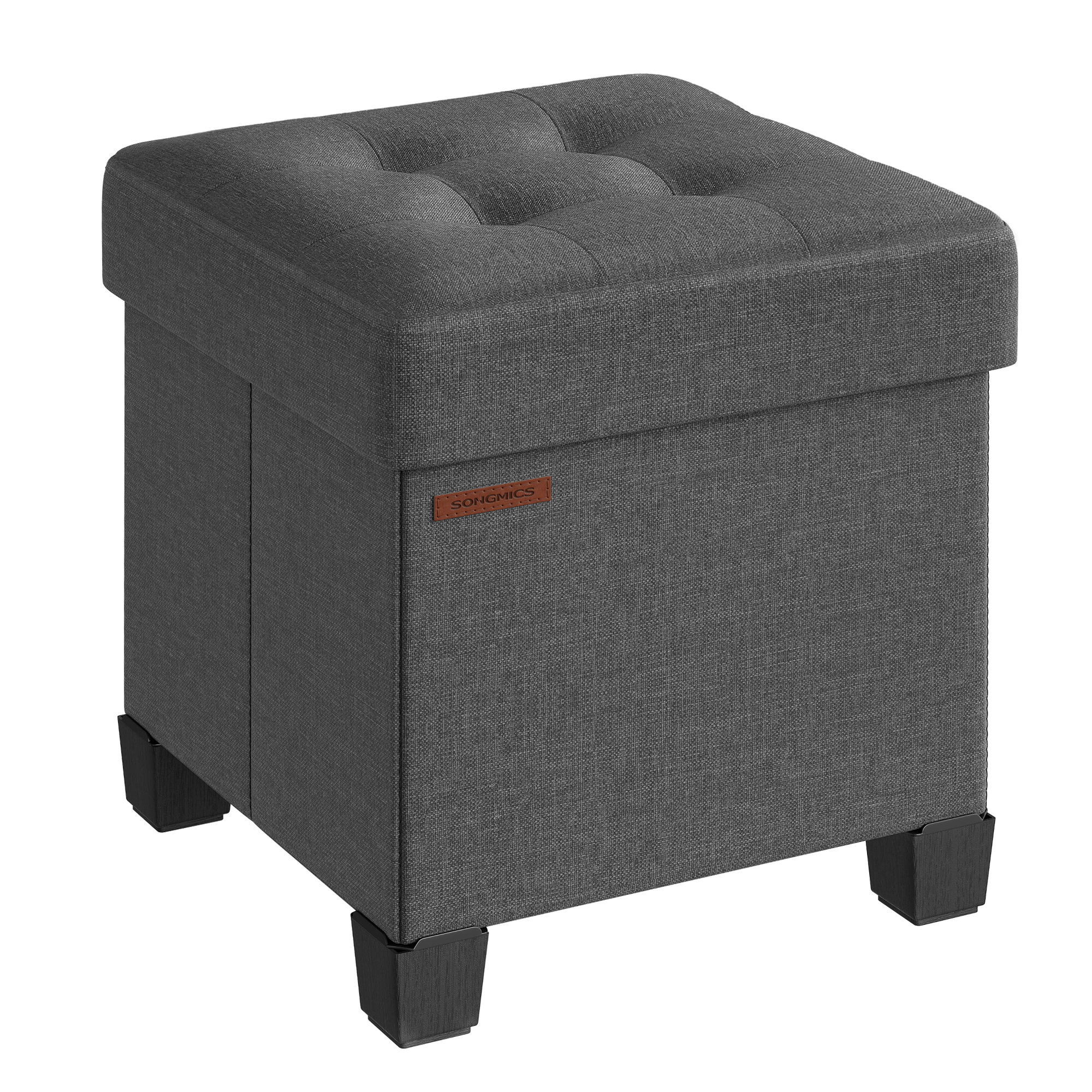
Setting the Stage: The Stakes in Ottoman Sourcing
You’re ready to roll out a new lounge line—lead times are tight, budgets tighter, and the sales team wants a date. Your ottoman manufacturer is the hinge that makes this whole plan swing, or creak. A regional retailer tested three vendors last quarter and saw a 19% swing in gross margin due to returns, freight, and rework. That’s not a rounding error. It’s the difference between growth and “we’ll try again next season.” So here’s the question: how do you choose a partner that scales clean, ships on time, and keeps quality steady while your SKUs expand?
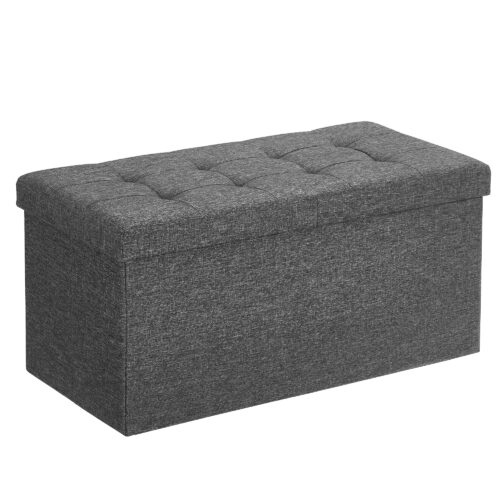
In Boston terms, you need something wicked dependable (with no drama). But the choice isn’t only about samples that look good under a showroom light. It’s about whether their CAD files match real tolerances, if their BOM stays stable when upholstery shifts, and how their QC protocols catch wobbles before your customer does. Are we asking a lot? Sure. Yet the buyers who get this right reduce chargebacks and stockouts in the same quarter—funny how that works, right? Let’s move from wishful thinking to a checklist that actually flags risk before it bites. Next up: the traps inside wholesale deals that don’t show up on the quote sheet.
Hidden Friction in Ottoman Wholesale You Don’t See on the Price Tag
Where Do Buyers Get Tripped Up?
When teams compare quotes for ottoman wholesale, they often miss the small things that drain margin. The first is MOQ versus real demand. If your MOQ locks you into slow movers, your SKU mix bloats, and storage costs rise. Next, lead time looks fine on paper, but upstream foam or fabric delays add a silent week. That cascades into backorders. Look at their upstream mapping, not just their floor schedule. Also check their QC funnel: how many checks per batch, and at which stations? A line with CNC frames and jigged upholstery should publish defect rates, not just smile. Look, it’s simpler than you think—ask for a one-page process map and a recent first-pass yield.
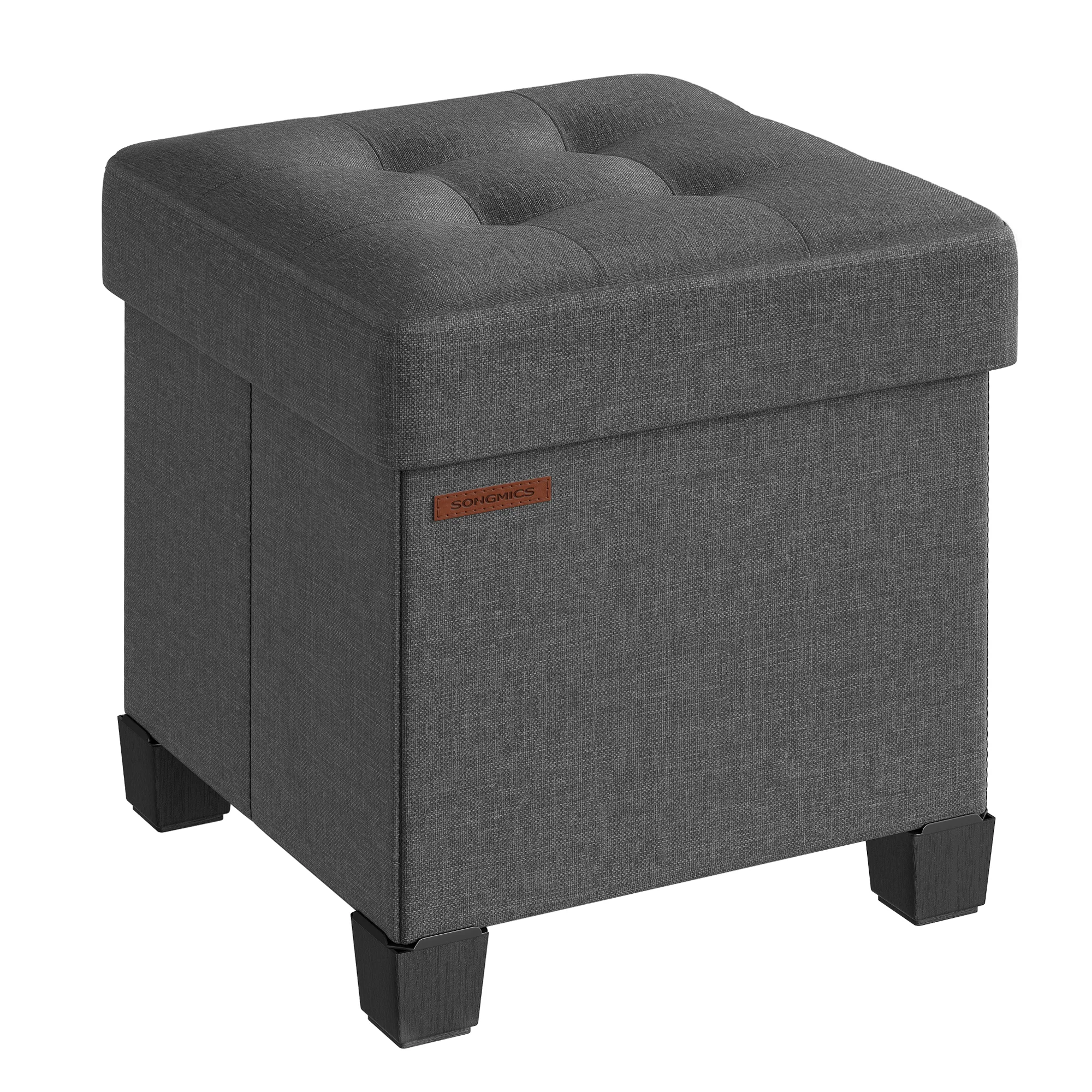
Freight is another hidden bite. Container utilization sounds dull, but one wasted pallet space multiplies across a season. Request test packs, not just a carton spec. And ask for load testing data by model, not generic furniture claims. If tolerances shift when they swap a hinge or a staple pattern, you’ll see returns. The fix is boring and effective: align CAD-to-CAM files, freeze the BOM per version, and track change notices. Short story: traditional “price-first” sourcing rewards the wrong habits. It hides delay risk, encourages filler SKUs, and buries rework costs—until your reviews get spicy. Set the rules early, and half the pain disappears.
Comparing What’s Next: Smarter Sourcing Principles That Age Well
What’s Next
Now let’s look forward and compare a better path. Modern shops that act as a reliable ottoman supplier use simple tech with clear rules. Think CAD-to-CAM alignment, versioned BOMs, and scan-based tracking. RFID tags on frames, upholstery, and hardware give you traceability without fuss. EDI order signals tie forecast to kitting, so you don’t wait on foam while frames pile up. Even basic edge computing nodes at workstations can flag variance in staple depth or leg alignment. That’s not sci-fi; it’s a label printer, a scanner, and a dashboard that shows first-pass yield by SKU. The payoff is quiet: steadier lead time, steadier quality, and fewer surprises—because surprises are what crush margin.
Here’s how to evaluate options in plain terms. Advisory close, three checks. One: process clarity—ask for defect rate by station, plus a one-week sample of change logs; if they can’t show it, they don’t track it. Two: logistics math—confirm container fill rate, carton strength tests, and a plan for split shipments when demand pops (no hand-waving). Three: resilience—verify dual-source materials, safety stock policy, and a documented rework path that doesn’t turn into a ticket graveyard. Keep it semi-formal, keep it strict, and keep receipts. And if a factory claims “we can make anything,” pause—you don’t need anything; you need consistent ottomans that pass load testing and look the same after 50, not five, assemblies. That’s the win. For a steady read on capabilities and sourcing fit, you can also review partner specs at SONGMICS HOME B2B—no fluff, just signals you can benchmark.