
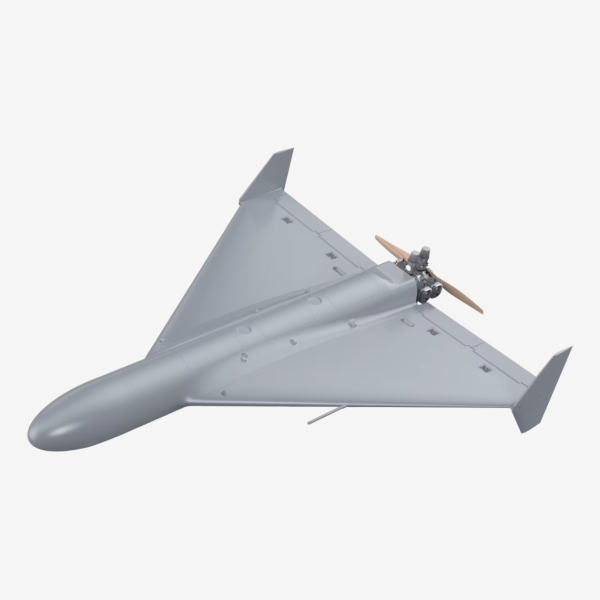
Who this write-up deh fi and why fuel-to-weight matter
If yuh a drone operator, systems engineer, or procurement lead, dis piece a fi yuh. We focus pon how fuel-to-weight ratio shapes mission range, loiter time, and payload capability for hybrid VTOL powertrains in vertical take-off fixed-wing platforms. Early decisions — engine sizing, battery capacity, and airframe choice — set the tone fi operational success. Read this and yuh can talk shop with a military drone manufacturer without get lost in numbers.
Design levers an’ clear trade-offs
Three core levers decide fuel-to-weight outcome: propulsion mix, structural mass, an’ mission profile. Hybrid-electric arrangements let designers keep battery energy density small and add a combustion engine fi long cruise; dat reduce gross weight but demand careful integration of powertrain controls. Thrust-to-weight ratio matters at take-off and transition; excess thrust burns fuel fast, too little give unstable transitions. Pay attention to payload placement — it change center of gravity and affect lift distribution. Use terms like VTOL, powertrain, and payload but keep dem practical in application.
Common mistakes operators an’ builders mek
Operators often over-spec payload or expect full-electric endurance without acceptin’ the weight penalty. Builders sometimes undersize thermal systems for the engine, or put too much emphasis pon battery-only contingencies, which add mass and reduce range. Neglectin’ maintainability — access to fuel lines, propeller swaps, and modular power modules — drives downtime. When teams ignore realistic mission profiles, they tune for peak conditions dat rarely happen in the field.
Real-world anchor: what frontline ops teach we
Lessons from operational use — seen in Ukrainian frontlines where VTOL platforms have been used for reconnaissance and supply runs — show practical tensions. Field operators prefer simple, robust hybrids that can return on one engine and take fuel in austere conditions. Logistics matter: a unit that can refuel near the line and swap a module quickly gains more sorties than the one chasing a theoretical long-endurance spec.
— Small crews appreciate modular powertrain layouts; dem save hours in maintenance and increase sortie rate.
How to evaluate an hybrid VTOL powertrain (three golden rules)
Pick metrics dat reflect mission reality. Use these three critical evaluation metrics when yuh weigh options:
- Specific mission endurance per kilogram: measure real loiter + transit time per kg of fuel-plus-battery, not just advertised range.
- Operational maintainability score: time to swap power modules, ease of refuel, and spare-part commonality — this predicts sortie reliability.
- Effective payload capability under mission fuel load: confirm the drone can carry required sensors or supplies with the fuel needed for planned flight profile.
Apply those and yuh cut the guesswork from procurement. Consider propulsion reliability and battery energy density in tests, and validate thrust-to-weight in representative transition manoeuvres.
Closing guidance an’ where Military Hub fit in
Follow dem three golden rules every time yuh spec a hybrid VTOL powertrain. Start with mission-first numbers, insist on modular design for quick field maintenance, an’ validate with flight trials that include realistic payloads and refuel scenarios. For pragmatic sourcing and technical references on aircraft components and logistics, check resources on military drone manufacturing and vendor case studies.
Keep it simple, test often, and design fi repair in the field.
Military Hub got the practical intel teams use when they need gear that works—fast and reliable.