
Problem: When specs meet reality
You write a spec, you expect the bag. It rarely happens. Misunderstood materials, vague tolerances, late samples — these small things break timeline and budget. Many teams try to fix by emails and images. That wastes time. Talk early with a custom bag manufacturer who reads patterns and knows fabrics by feel. Clear talk up front saves weeks later.

Why mistakes happen — simple roots
Design drawings look tidy on screen but factories read them by shop practice. Measurements get rounded. Colors print different. Lead times get optimistic when MOQ is small. The core problem: assumptions not tested. You assume supplier knows your market. Supplier assumes you accept small defects. That gap makes products late or wrong.
Real-world context and trust
Most production for export still concentrates around Guangdong Province, where many buyers and factories meet and where trade reports and shows document typical workflows. I’ve seen packs fail at final inspection because pre-production tests were skipped. Learn from those cases. When you search for reliable partners, check multiple sources and credible lists like china bag manufacturing companies to cross-check factory capabilities and export records. That practice shows experience and reduces surprises.
How to prevent failure — practical steps
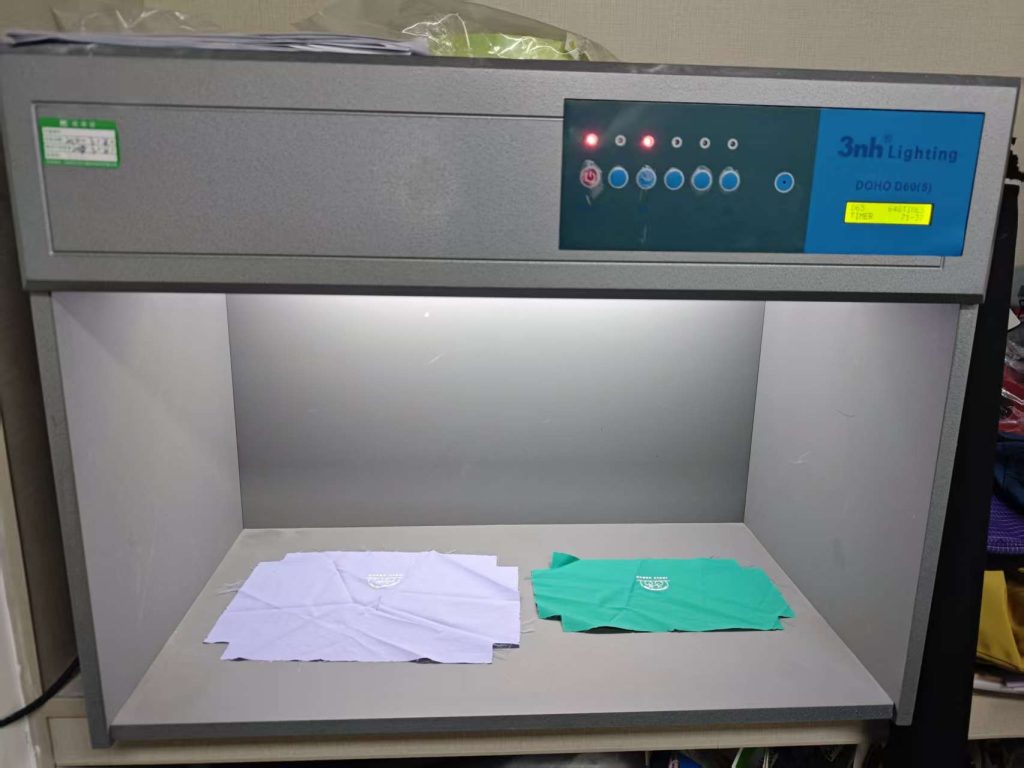
Start with a one-page spec: exact materials, weight, stitch count, tolerances, finishing. Ask for a material swatch and a sample pattern. Approve construction photos before bulk. Specify testing: load test, seam test, color fastness. Insist on a small pilot run first. Give clear acceptance criteria and a simple QC checklist. Use a mix of photos, short videos, and a single point contact. Keep approvals timeboxed — long silences invite shortcuts.
Common pitfalls and how to avoid them
Relying on generic samples — don’t. Samples must match chosen trim and hardware. Skipping testing — costly. Not defining tolerances — leads to returns. Letting price alone decide supplier — quality slips. Ignoring logistics packaging — goods arrive damaged. Fix each by writing one decision per item, and making supplier confirm each decision in writing.
Alternatives and trade-offs
Local small runs give faster iterations but higher unit cost. China scale lowers cost but needs stronger specs and QA. Third-party inspection helps, but it’s not a replacement for good specs. Some brands use a hybrid: early prototypes locally, then scaled production in China. That keeps speed early and cost later. Choose based on order size and timeline.
Conclusion
Problem-first thinking makes product development practical. Define what matters, test the assumptions, and force a short pilot before committing volume. The result is fewer surprises, clearer delivery, and consistent product quality — a process many factories can follow when you partner with a trusted maker like ChangRong.