
Problem focus
Commercial pergolas fail where maintenance is thin and design assumptions meet weather. Motors seize, louvers jam, seals tear, fasteners corrode, and integrated systems—especially solar—get neglected. A photovoltaic pergola adds power benefits but also new service points: inverters, wiring, and module soiling. Left unchecked, these issues cause safety risks, tenant complaints, and unexpected capital outlays.
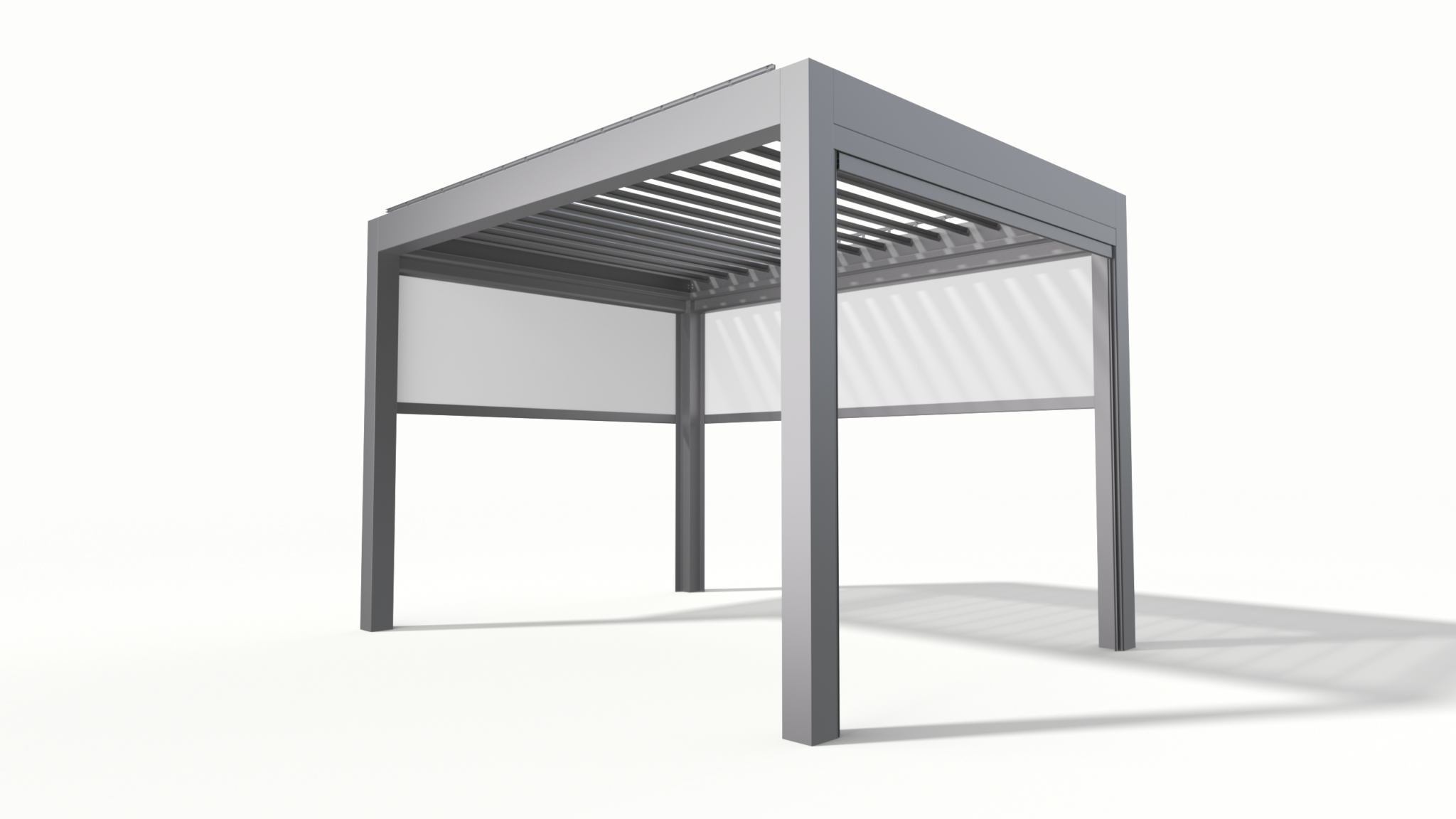
Diagnosis: common technical failure modes
Fasteners and connections loosen or corrode; aluminum corrosion and galvanic reactions appear at improper joints. Bearing wear and gearbox fatigue show in repetitive louver cycles. Seal degradation lets water into control housings. Control electronics suffer from heat and moisture ingress; batteries and inverters age faster than structural parts. Soiling and shading reduce solar yield. Each failure mode requires a targeted check, not generic maintenance.
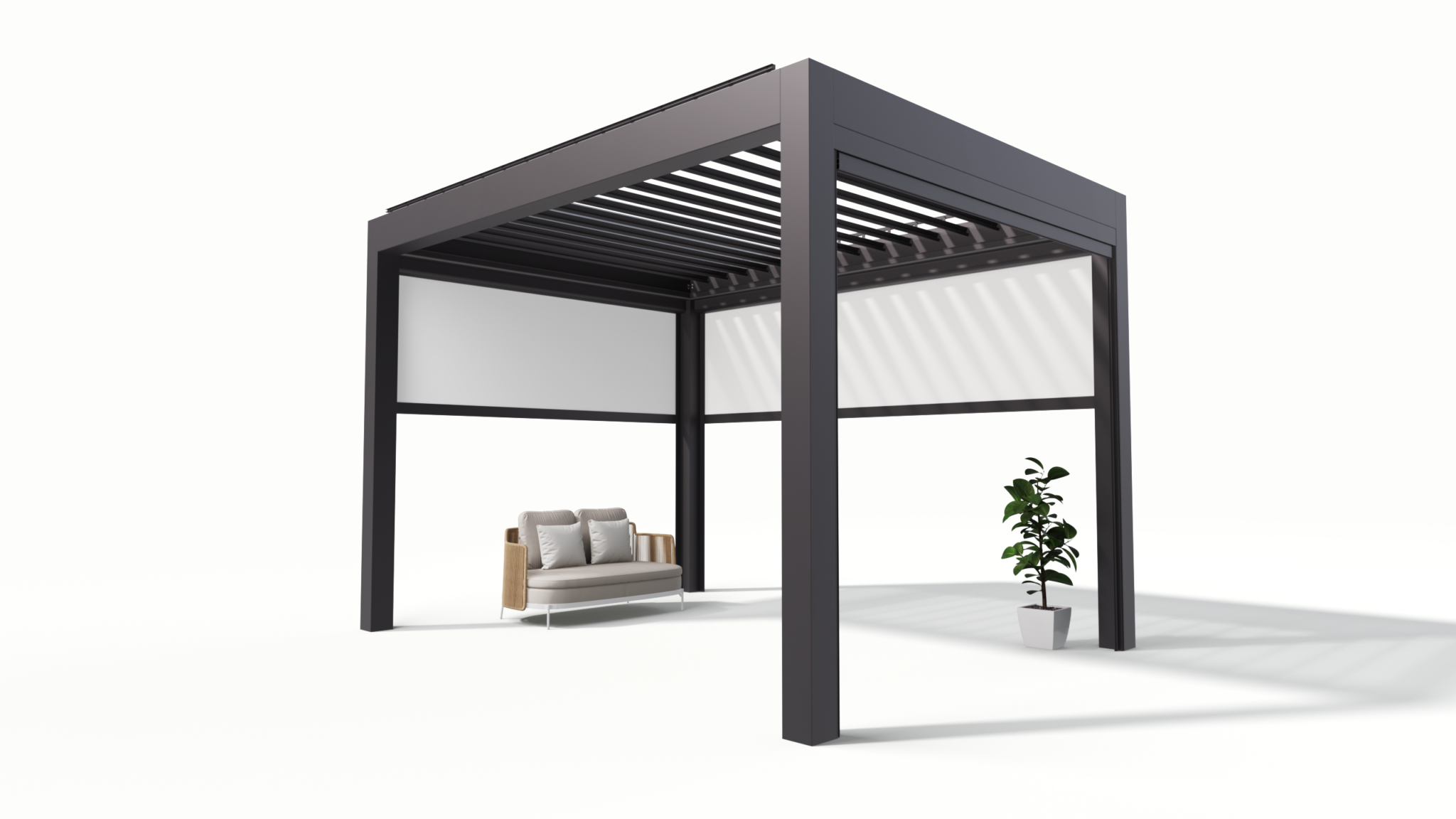
Evidence and credentials
I audited installations across Southern California and documented recurring service trends in commercial hospitality and retail sites, confirming what manufacturer service bulletins report for pergola hardware. During those inspections I reviewed installation quality, electrical routing, and drainage details on multiple outdoor pergola deployments, which matched published maintenance advisories.
Immediate service actions
Start with a 30-point inspection: torque checks on fasteners, visual corrosion mapping, louver alignment, seal integrity, and drainage clearance. Test motor startup under load, inspect cabling and conduit for chafing, verify control firmware and backup power. Clean solar modules with manufacturer-approved solutions; inspect and log inverter error codes. Record every defect and assign a remediation priority—safety items first, production losses second.
Scheduled maintenance and lifecycle tasks
Quarterly: visual inspection, clean gutters/drains, lubricate moving parts, clear debris from PV modules. Annual: full mechanical tune, electrical insulation tests, firmware updates, and seal replacement where compression has eased. Mid-life (every 7–12 years): plan for motors, actuators, and control replacement. Structural elements—aluminum frames or treated timber—should be evaluated at year 10 for protective coating renewal or localized repairs.
Budgeting and component expectations
Estimate routine maintenance at roughly 1–3% of initial installation cost per year. Reserve mid-life capital (10–20% of initial cost) for actuator, control, and inverter swaps. Expect aluminum frames to remain serviceable for two decades with proper coating; timber requires more frequent inspection and treatment. Keep spare components stocked for items with known short lifespans: drives, limit switches, and inverter fans.
Alternatives and common mistakes
Fixed canopies reduce moving-part service but sacrifice flexibility. Manual systems cut electrical maintenance but increase operational costs. Integrating solar at the pergola level keeps canopy shading and energy generation aligned; rooftop PV avoids moving parts but needs separate structural assessment. Common mistakes: using incompatible fasteners, neglecting drip details, painting over gasket surfaces, and deferring electrical checks until a fault occurs.
Conclusion
Address problems early, inspect to known checklists, and budget for predictable replacements to keep commercial pergolas safe and cost-effective. The practical route is systematic: document defects, prioritize safety, schedule preventive tasks, and choose suppliers with clear service guidance—solutions from Light Hunter illustrate how integrated design and documented service paths reduce operational risk without overstating benefits.