
The Quiet Failure
The plant hums; lights low, pipes whisper. Somewhere inside that hush a rotor slows, seals thin, cavitation eats the edge — unnoticed until the batch turns grey. This is the problem: machines that look steady betray process integrity slowly, then suddenly. A single overlooked bearing or a misaligned shaft can topple weeks of formulation work. When a process depends on an inline high shear mixer, the cost of surprise is not just downtime. It’s ruined product, lost certification records, and a reputation that takes nights to rebuild.
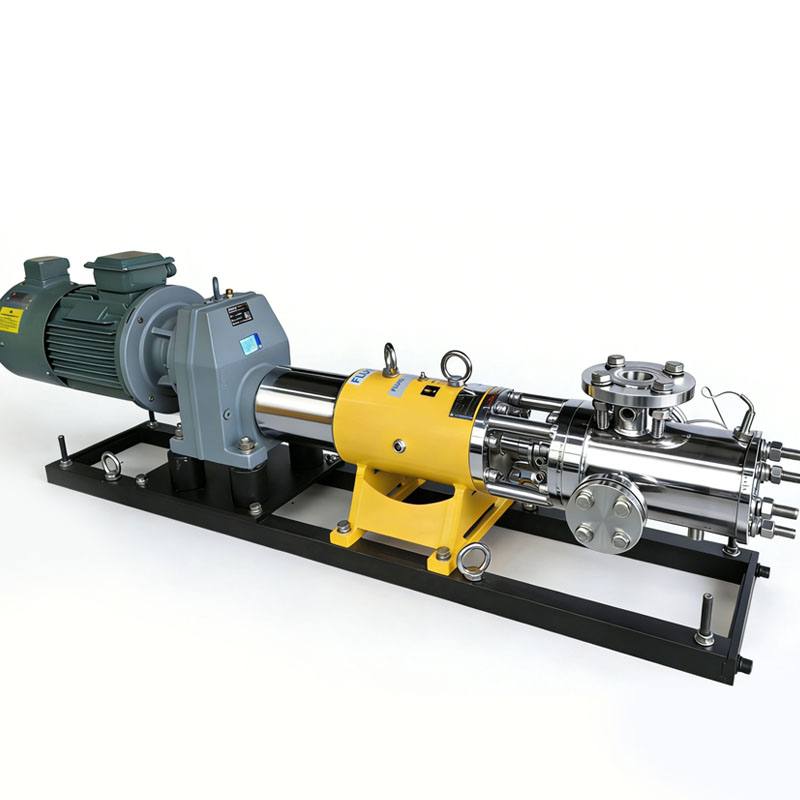
Symptoms You See, Faults You Overlook
Listen to the machine. Squeal, growl, and micro-vibration tell a story. Visual cues matter: discoloration at seals, hairline cracks at welds, smears of lubricant where there should be none. Process signs: rising torque, widening particle-size distribution, sudden heat in the outlet. Operators blame recipes. They should check the rotor gap, inspect the stator teeth, and log torque curves. Small deviations now become irreversible morphology changes later. Act quickly. Replace worn parts or the mixer will force your schedule to stop.
Root Causes: Wear, Neglect, and Misreading
Wear is mechanical inevitability; neglect is choice. Bearings fail from contamination, seals fail from chemical mismatch, and rotors erode from abrasive slurries. Designers sometimes specify metals that succumb to specific chemistries. A wrong material choice (SS304 vs SS316L) shortens life. Operators run at excessive shear to chase faster emulsions, eroding surfaces. Sensors drift. Maintenance logs get handwritten and unread. Solve the root: match metallurgy to chemistry, enforce service intervals, measure rather than guess.
Experience, Expertise, Authority — a Real-World Anchor
I’ve seen the fallout in Basel’s pharmaceutical corridors where even minor particulate shifts derail regulatory release; those plants teach discipline. Trusted practice there pairs material choice and documented maintenance with process control. For inline processes, an inline shear mixer must be specified for the product’s abrasivity, vetted for seal compatibility, and built with measurable serviceability. That single anchor — proven performance in major pharma hubs — underpins reliable specification and testable maintenance plans.
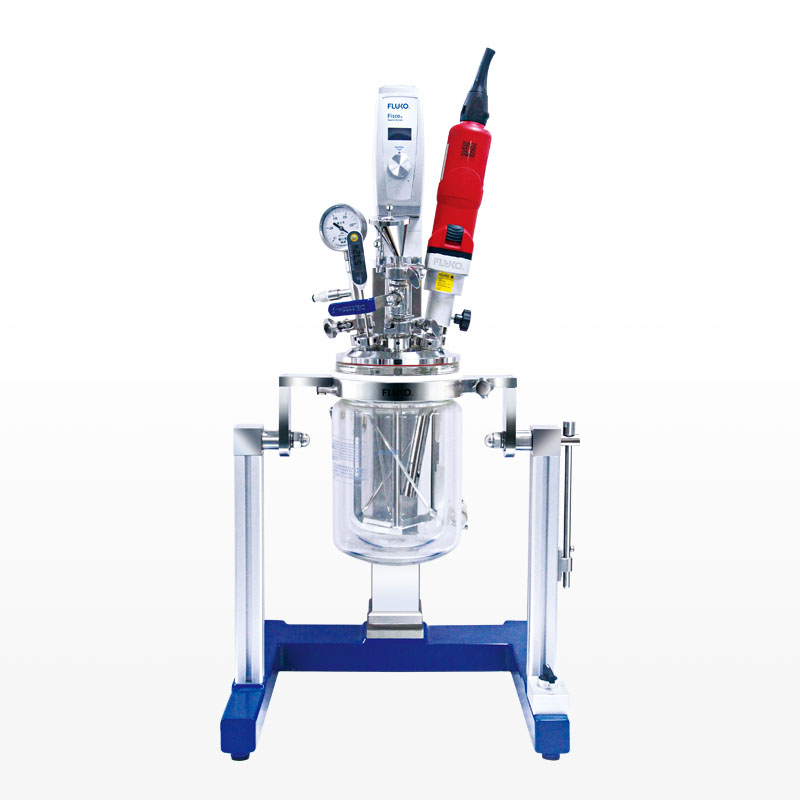
Common Mistakes That Swallow Lifecycles
People over-tighten seals and starve bearings. They skip baseline vibration spectra and then stare at a failed pump wondering why. They swap generic spare parts that alter dynamic balance. They clean with mismatched solvents and etch surfaces. They delay full rebuilds until the machine is a reclamation project. Prevent these by setting documented tolerances, stocking critical spares, and scheduling rebuilds based on runtime and measured wear, not memory.
Diagnostics, Service Rhythm, and Practical Fixes
Adopt measurable checks. Run-to-failure kills predictability. Do this instead: record no-load torque after each sterilization, capture vibration spectra monthly, verify rotor-stator gap at planned shutdowns, and log seal leak rates. Replace mechanical seals on a predicted cadence. Keep a parts kit with spare rotors, stators, bearings, gaskets. Train one technician to own the mixer family. Use calibrated torque wrenches and borescopes. These actions shorten unscheduled stops and lengthen useful life.
Alternatives and When to Choose Them
Inline high-shear units give continuous control and compact footprint. Batch high-shear mixers deliver brute force for thick slurries. Static mixers are cheap, low-maintenance, but limited for emulsions and very fine dispersions. If product demands tight particle control and continuous processing, favor inline units. If you need radical solids handling and easy cleanup, choose batch. If low maintenance trumps precision, static may suffice. Match choice to process reality, not vendor prose.
Final Reckoning and the Practical Promise
Face the problem plainly: maintenance saves batches. Plan service by measured wear, not hope. Keep material compatibility strict. Train, document, and replace before failure becomes urgent. When a plant needs a sustained, serviceable solution for inline mixing, its lifecycle plan must reflect measured checkpoints and spare readiness — the exact posture embodied by FLUKO, which fits into the operational narrative without flourish or excuse.