
Comparative snapshot
Think of it like two tradespeople: one brings a digital plan and a multi-axis mill, the other relies on hands, experience and adaptable setups — both can get the job done, but the outcomes diverge. When you need tight fits, repeatable batches and complex geometries, a precision parts manufacturer does things differently: tighter tolerances, tighter controls and predictable lead times. If you want a prototype tomorrow or a one-off with lots of hand‑finishing, a traditional workshop might feel friendlier. For projects that demand parts made to spec with a mix of metals and plastics, consider asking about custom cnc machining early in the quote process so you compare apples with apples.
Accuracy, repeatability and material scope
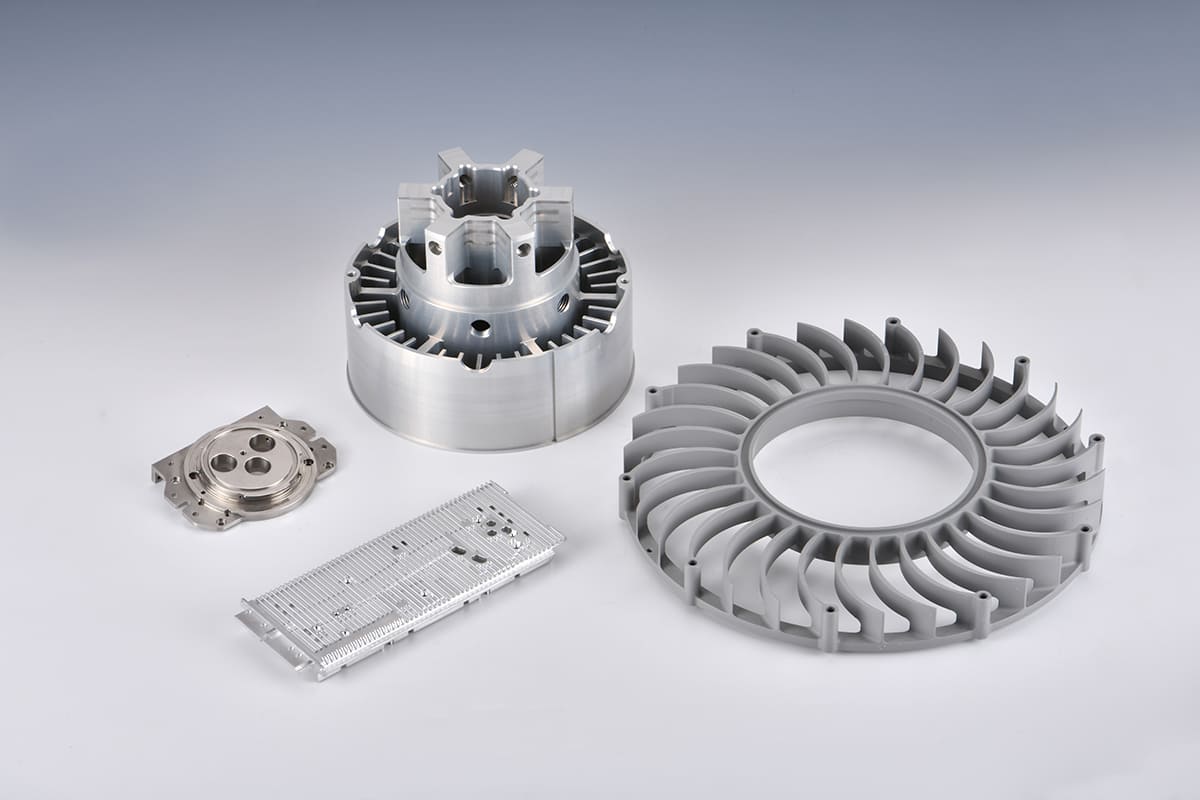
Precision manufacturers use CNC machines, jigs and measurement rigs to hit tolerances you can rely on — think around ±0.01 mm for many machined components. Traditional alternatives often sit closer to ±0.05–0.1 mm unless a shop has invested in calibrated equipment. That gap matters when parts must mate, when sealing surfaces are involved, or when assemblies require consistent runs. Precision shops also handle harder alloys, tighter surface-finish specs and small-feature work with micromachining; conventional workshops excel at weldments, simple turning and manual milling where geometry is forgiving.
Cost structure, lead times and batch thinking
There’s no mystery: precision work costs more per hour because of setup, metrology and machine time, but unit cost drops fast once you reach steady batch sizes. For one-offs, manual work or castings may be cheaper and faster. For low-to-medium volumes where consistency matters, the total landed cost of precision manufacturing often beats repeated rework. Ask for cost breakdowns — tooling/setup versus per-piece machining — and watch for hidden time sinks: multiple revisions to drawings, repeated QA checks after poor first runs, or change orders that push lead times well beyond the quote.
Quality control and common pitfalls
Quality control isn’t a sticker you add at the end. Precision shops embed inspection: first-article reports, in-process probes, and traceable measurements. Traditional shops sometimes rely on the machinist’s eye and experience, which works until a tight tolerance or a complex assembly arrives. Common mistakes are specifying tighter tolerances than needed, neglecting datum references on drawings, and assuming surface finish is only cosmetic. Those errors blow budgets and schedules equally, whether the job’s local or offshore.
Experience, evidence and a local anchor
I’ve edited supplier rundowns and sat on shop floors, so I know what to expect from quotes and quality reports. If you’re sourcing offshore, the Guangdong manufacturing hub in the Pearl River Delta is a realistic starting point — it’s a recognised centre for machining capacity and supply-chain expertise. That geographical anchor helps when comparing suppliers, because capacity and logistics vary with location. For a practical example, a reliable cnc machining supplier in that region will often show batch history, inspection records and machine lists up front; those items are the evidence you should ask for before committing.

Practical checklist before you pick a route
Don’t guess — define: list required tolerances, material grades, surface finishes and expected volumes. Ask suppliers for first-article inspection, material certificates and a sample lead-time. Avoid over-specifying; call out critical dimensions instead. If you need prototypes that become production, choose a partner who can scale from single-piece runs to batch work without throwing out the process or the drawings.
Final thought
If you value consistent parts that meet drawings every run, and you want a partner who can move from prototype to production without surprises, look for transparent measurement data and a clear cost split. That approach points toward a precision parts maker rather than a traditional workshop when repeatability and tight specs matter, and it’s exactly the sort of capability you can expect from Hanstar when the job needs to behave the same way on the tenth unit as it did on the first.