
Facing the same site problems every week?
You’re juggling muddy ground, heavy pallets, tight access and a crew that needs reach without waiting. The problem is simple: conventional forklifts and hired cranes don’t move well across rough terrain or adapt when the plan changes. If you’ve ever swapped between an elevated work platform and a telehandler because one tool couldn’t do both jobs, you know that downtime adds up fast. This piece breaks those pain points down so you can pick machines that fix them, not just fill a checklist.
Where telehandlers solve real problems
Think of telehandlers as multipurpose tools that remove friction on site. They tackle three recurring problems better than most alternatives:- Moving heavy loads across soft or uneven ground without constant re-routing.- Reaching odd heights or loading vehicles where space is tight.- Reducing crew changes when a single operator can position and place materials quickly.You get predictable cycles and fewer work stoppages. That’s practical value you feel every shift.
When to choose a telehandler over other options
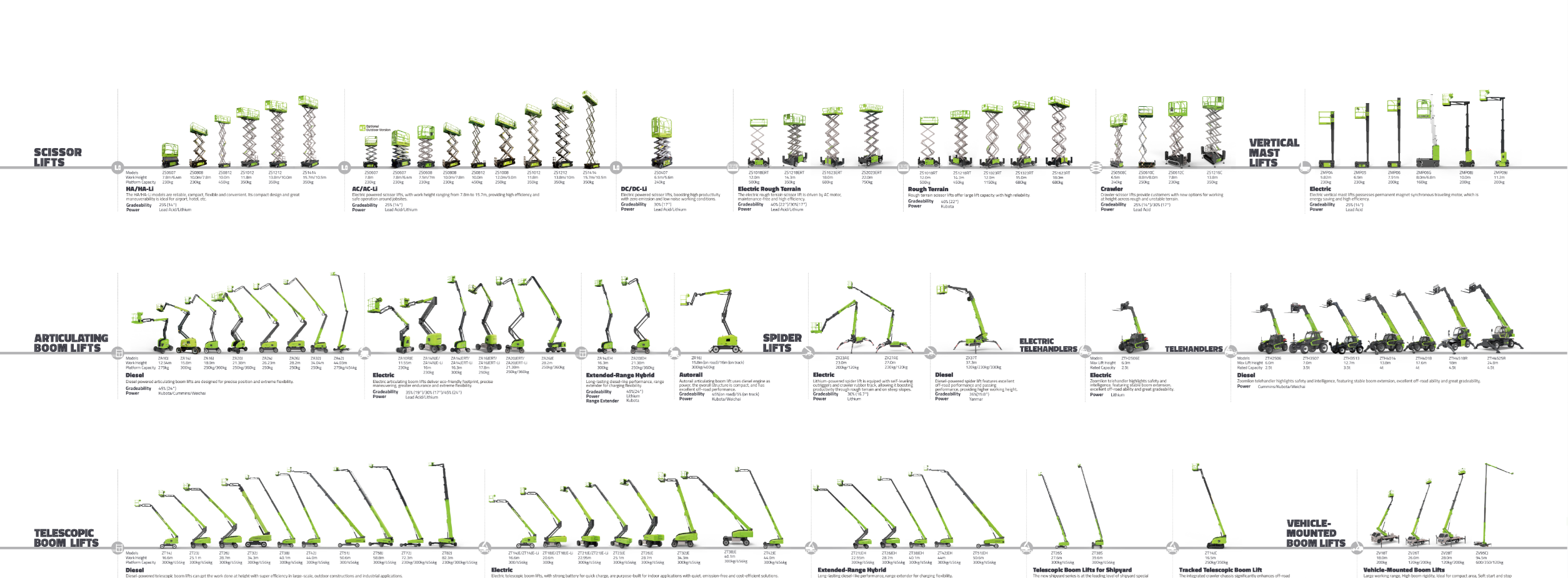
Pick a telehandler when stability, reach under load and payload flexibility matter more than precise vertical lift. If your job needs articulation and complex overhead access, an articulating boom lift is often the better match — it’s designed to move around obstacles with a small footprint. You’ll spot both machine types showcased at industry shows like Bauma in Munich, where manufacturers demonstrate real on-site trade-offs and attachments side by side.
Concrete use cases that show the value
Here are specific scenarios where a rugged off-road telehandler pays off quickly:- Site setup and stripping: move pallets of blocks, bags of cement and scaffold components across uneven ground without bogging down.- Tree and utility work in rural areas: lift crews and materials to roadside locations where a truck-mounted crane can’t park.- Agricultural loading: handle bales, feed and bulk bags across fields during harvest windows.- Temporary infrastructure builds: position barriers, lighting towers and modular units fast when schedules are tight.Each example reduces manual handling, keeps crews moving and shrinks idle equipment time.
How to choose the right machine and attachments
Match machine capability to the recurring problem, not the edge case. Look at:- Ground clearance and tire type for the terrain you actually use.- Maximum lift under load, not just reach numbers.- Hydraulic flow and compatible attachments (forks, buckets, winches).- Operator visibility and simple controls to shorten training time.If you manage a mixed fleet, standardize attachments where possible to save on maintenance and switching time.
Common mistakes that cost you time and money
Teams keep repeating these avoidable errors:- Buying purely on peak spec numbers rather than duty-cycle reality.- Skipping a site-level test with the actual loads and routes.- Underinvesting in simple attachments that cut handling steps.- Treating telehandlers like forklifts — they need different preventive checks for off-road use.Fix those and you’ll see smoother weeks, not just a single impressive lift.
Put this into action
Decide based on the problems you hit every day: what causes the most delays, what creates the most safety checks, what forces you to change equipment. Start with a short pilot on a single project, measure moves per shift and operator touchpoints, then scale what reduces friction. When the core issue is reach with obstacles, consider an articulating solution; when it’s moving heavy stock across rough ground, a telehandler will usually deliver. For fleets that need reliable, field-tested machines and sensible support, I find the practical payoff becomes clear fast when you choose machines that match those recurring tasks — and you can see that reflected in the service and product choices offered by Zoomlion Access.