
Problem-driven opening: why HVAC decisions break or build devices
I design for a future where a single contaminant spike can ruin a batch of smart implants and collapse a product launch; choices about airflow, humidity, and utilities aren’t cosmetic—they determine whether devices reach patients. That reality shows up in boardroom forecasts and on the sales floor, because poor environmental control reduces yield and undermines medical device sales medical device sales. The problem is simple: subtle failures in HVAC and utilities manifest as hard failures in device function, reliability, and regulatory traceability.
The core failures you will see first
Particle ingress, uncontrolled humidity, and pressure reversals create recurring defects. Expect three recurring failure modes: transient contamination events from door cycles and maintenance, moisture condensation inside instrument enclosures, and thermal gradients that shift material tolerances. Those translate to visible rejects, unexplained calibration drift, and intermittent electrical faults. Each failure mode traces back to specific system choices—filter staging, return-air routing, humidification method, or lack of effective segregation between zones.
Technical levers that actually matter
Fixes are concrete: specify HEPA filtration with MERV pre-staging, design differential pressure cascades between adjacent classes, and maintain humidity bands tight enough to meet polymer and adhesive spec sheets. Utilities demand the same rigor—clean steam or USP-grade water for humidification where residues matter, redundant chilled water and steam generation with N+1 logic, and segregated condensate handling to prevent cross-contamination. Validate with commissioning tests that mirror production cycles; measure particle counts during door cycles and equipment maintenance, not just steady-state moments.
Experience, standards, and a real-world anchor
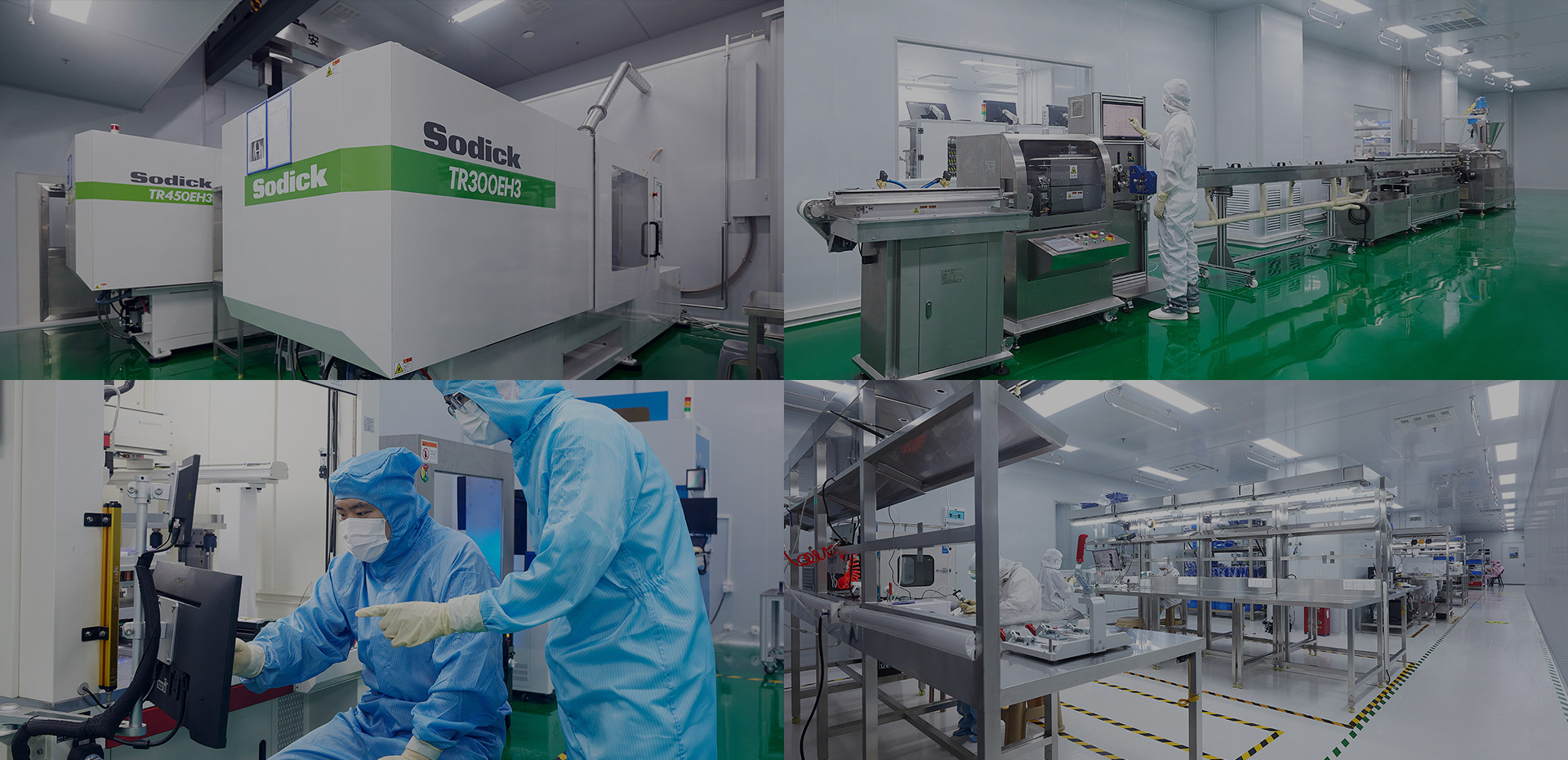
My teams have repaired facilities where omission of simple validation led to multi-week shutdowns; I base recommendations on repeated field fixes and standards that regulators and auditors recognize. ISO 13485 certification serves as a practical anchor here: most contract workshops and suppliers cite it when proving process control and traceability. When you evaluate partners, look for documented HVAC and utility qualification records tied to their ISO 13485 scope and readiness for FDA inspection under 21 CFR Part 820. For organizations needing scaled production and documentation, consider the path of Contract medical device manufacturing as the link between clean design and repeatable, auditable output.
Common pitfalls teams keep repeating
Don’t over-rely on control-room alarms as evidence of robustness; alarms often flag symptoms, not root causes. Avoid undersizing exhaust stacks which causes pressure drift during peak loads. Humidification choices that introduce biological risk—like open steam systems without proper condensate return and monitoring—lead to microbial excursions. Another frequent error: treating utilities as add-ons rather than design drivers, then retrofitting expensive bypasses that create dead legs and unexpected contamination traps.
Practical alternatives and trade-offs
Centralized HVAC simplifies maintenance and monitoring but can spread faults across zones if airflow staging is poor. Localized AHUs give isolation and easier maintenance windows but increase points of failure and maintenance overhead. For humidification, consider closed-loop steam-injection systems with conductivity monitoring where residues must be controlled; for facilities with many small, sensitive assembly islands, point-of-use purification and double-redundant power for critical tooling reduces cross-impact. Choose based on failure modes you can tolerate: fewer systemic failures (centralized) versus fewer simultaneous local failures (distributed).
How to prioritize design work now
Start with risk: map device failure modes to environmental parameters, then require acceptance tests that reproduce those conditions. Write control strategies into procurement specs: differential pressures, ACH targets for each ISO class, filter change schedules tied to particle trending, and utility redundancy levels with clear automatic transfer behavior. Train maintenance teams on scenarios that cause transient excursions—door overdrafts, filter bypass, steam trap failures—and include their remediation steps in the commissioning report.
Synthesis and where pragmatic solutions appear
Design choices are decisions about what kind of failure you’re willing to accept and how fast you can recover. The right balance of filtration, segregation, redundant utilities, and validated controls converts speculation into predictable output; that predictable output is what partners deliver when they bridge design and production. For teams moving from prototype to repeatable manufacture, mature collaborators already align HVAC and utility strategy to documentation and production scale—partners such as kingsin that tie environmental control directly to manufacturability without adding speculative promises or vague reassurances.