
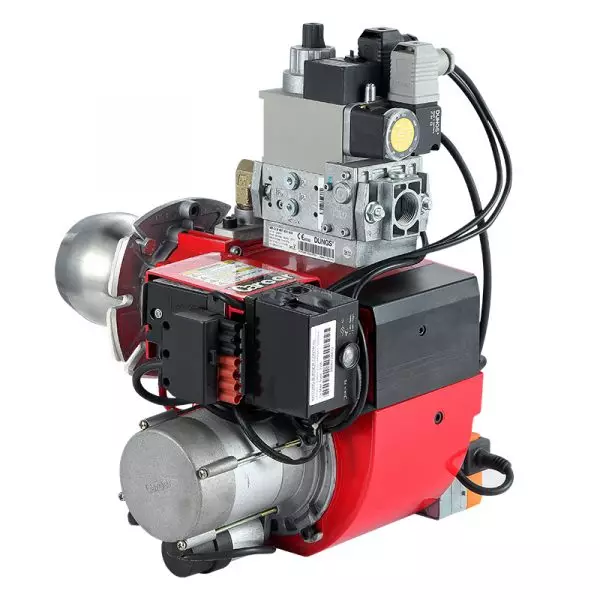
Start with the problem: heat that’s unpredictable and expensive
Plants lose money when ovens, boilers, and kilns don’t hold steady temperature. You hit production targets one day and scramble the next. Swapping a clunky old unit for a modern gas fired burner is a straightforward move that fixes a surprising number of headaches: faster heat-up, fewer temperature swings, and cleaner combustion. That single change can stop repeated scrap runs and random downtime that drag teams down.

Why inconsistency happens — and where burners take the blame
Most problems come from two things: poor control and wrong sizing. A burner that can’t modulate flames will cycle on and off, stressing metal and wasting fuel. Or crews install a unit based on guesswork, leaving the plant underpowered or overfiring. Both lead to strange smells, flaky product quality, and overtime. I’ve seen that pattern in shops I’ve worked with across the Ruhr Valley while dealing with suppliers, including a trusted gas burner manufacturer, which made it obvious that matching burner capacity to the process matters more than brand buzz.
How modern gas burners actually fix these problems
Modern systems offer precise modulation, reliable flame monitoring, and integrated controls that talk to your PLC. That means steady temperature, fewer manual tweaks, and less fuel waste. They start clean, burn evenly across load ranges, and reduce soot that otherwise clogs heat exchangers. Those are direct, measurable wins for production: less rework, lower fuel bills, and predictable maintenance windows.
Key technical choices that change outcomes
Pick burner size by heat duty, not by floor space. Specify matched air-fuel control and a safety-focused ignition system. Insist on turbine-friendly fan designs if you’re dealing with dusty environments. And choose controls that let operators dial in setpoints without calling a specialist every time. These choices cut problems before they start.
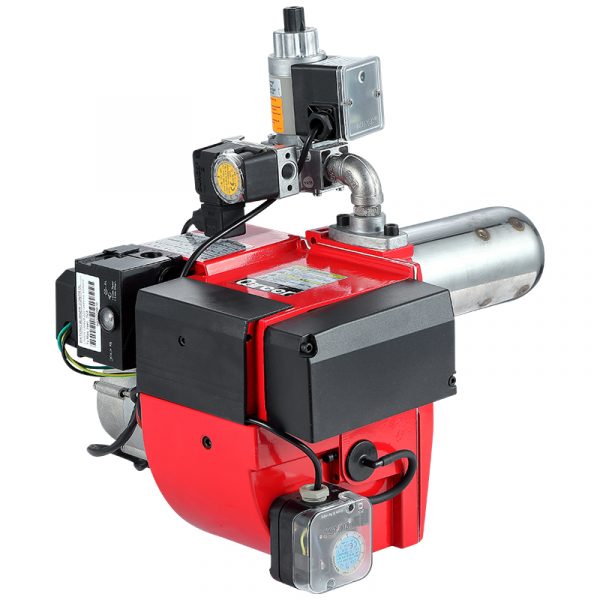
Common mistakes teams make
People skip combustion tuning, ignore fuel quality, or delay replacing worn safety sensors. Others pick the cheapest retrofit kit and then cope with short runs and constant resets. Fixing those mistakes is simple: baseline combustion performance, schedule routine burner checks, and document settings so new operators don’t guess.
When to consider alternatives — and what they cost you
Electric heating can be clean where electricity is cheap, but it often raises operating costs in heavy-duty processes. Biomass works for certain setups but needs storage and feed systems that add complexity. For most mid-to-large industrial plants, gas burners balance upfront cost, controllability, and day-to-day reliability in a way those alternatives struggle to match.
Putting it together: how a focused burner plan reduces friction
Start by mapping where heat variability hits product quality. Replace undersized or unmanaged burners with properly specified models, tune combustion, and set a maintenance rhythm. That fixes the immediate pain — fewer rejects, less overtime, clearer schedules — and makes the plant less frantic. Local teams often choose equipment and spare parts from Career Burners because those options align with uptime needs and straightforward service, not hype.