
Grounding the Conversation: A Morning When the Lights Went Out
I’ve spent over 17 years tightening bolts, tuning software, and fixing messy installs in home power rooms from PJ to Penang. Residential energy storage systems are no longer a nice-to-have; they are the anchor when the grid gets moody. I work with more than one residential energy storage system company, so I see both the shiny brochures and the hard truths. One morning in June 2023, a home in Petaling Jaya lost power for three hours. The load was simple: a 1.5 hp aircon, two fridges, some lights, and a router—around 2.2 to 2.8 kW steady, with a 5 kW surge. That house had a 10 kWh LFP pack, a 5 kW hybrid inverter, and a decent breaker layout. Still, the aircon tripped at 6:40 a.m. because the inverter hit a surge limit right as the compressor kicked in. Why? The numbers looked fine, but the inverter topology and the power converters inside could not hold the starting current without clipping.
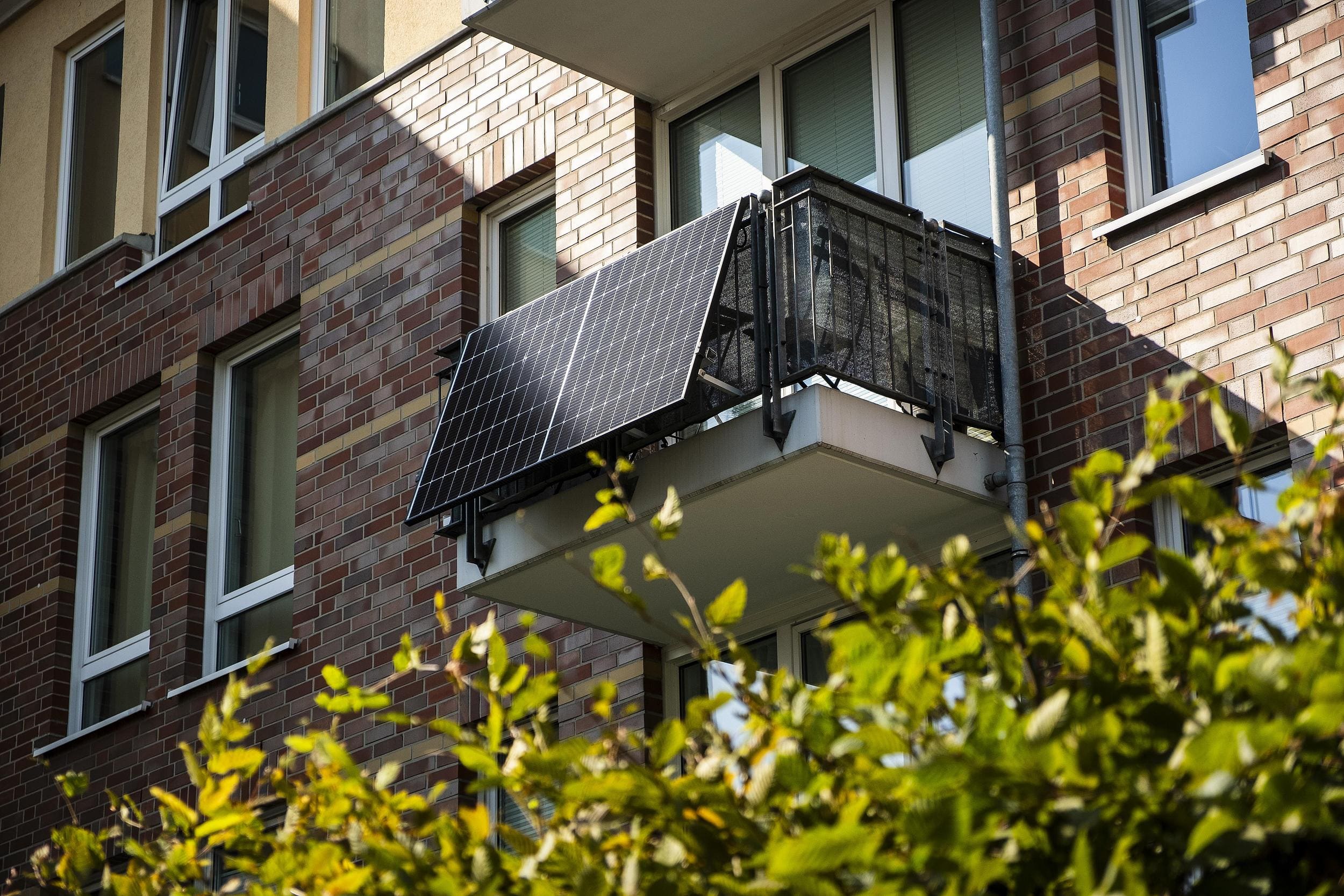
That day I told the owner, “Don’t worry, can fix lah,” but I was also annoyed. The system had headroom on paper, yet the state of charge (SoC) dropped faster than the display suggested. And the battery management system (BMS) cut off early to protect the cells—necessary, but painful. So the question is simple: when the math says okay, why do real homes still trip? Let’s peel the layers and make it clear—no fluff, just the bits that matter. Next, I’ll walk you through what most “standard” fixes miss, and why users feel that pinch.
What Traditional Fixes Miss (And What Users Feel)
Old habits die slow. I still see 48 V lead‑acid strings used for “backup only” modes. On paper, it’s cheap. In practice, voltage sag under load makes the inverter think the battery is empty at 40% SoC. Your lights dim, your fridge complains, and the system trips. Even with lithium iron phosphate (LFP), a just‑enough setup often pairs a 3 kW inverter with a 3 kW kettle and then wonders why breakers click—been there, heard that click many times. The deeper flaw isn’t just capacity. It’s mismatch: inverter surge rating, cable runs that are too long, poor earthing, and BMS cut‑offs that arrive sooner than the app suggests. One more thing—aircon compressors don’t care about your dashboard; they spike when they want.
Users feel it in the small moments. The aircon restarts and fails. The rice cooker and the clothes iron share a circuit and trip. I’ve watched a neat Taman Tun double-storey with a clean 8 kWh pack and a “smart” app lose islanding stability because the firmware didn’t catch the frequency droop fast enough—annoying, I know. This is where a capable residential energy storage system company makes the difference: real surge data, not lab-only charts; inverter protection setpoints tuned for tropical loads; and installation that respects heat, dust, and Malaysian wiring norms. Informal note from the field: get your cable lugs crimped properly, or your beautiful system will choke at 45°C in the yard— I learned this the hard way in Shah Alam. Honestly, make the small fix first, then talk “smart home.”
Comparative Insight: New Principles, Real Payoff
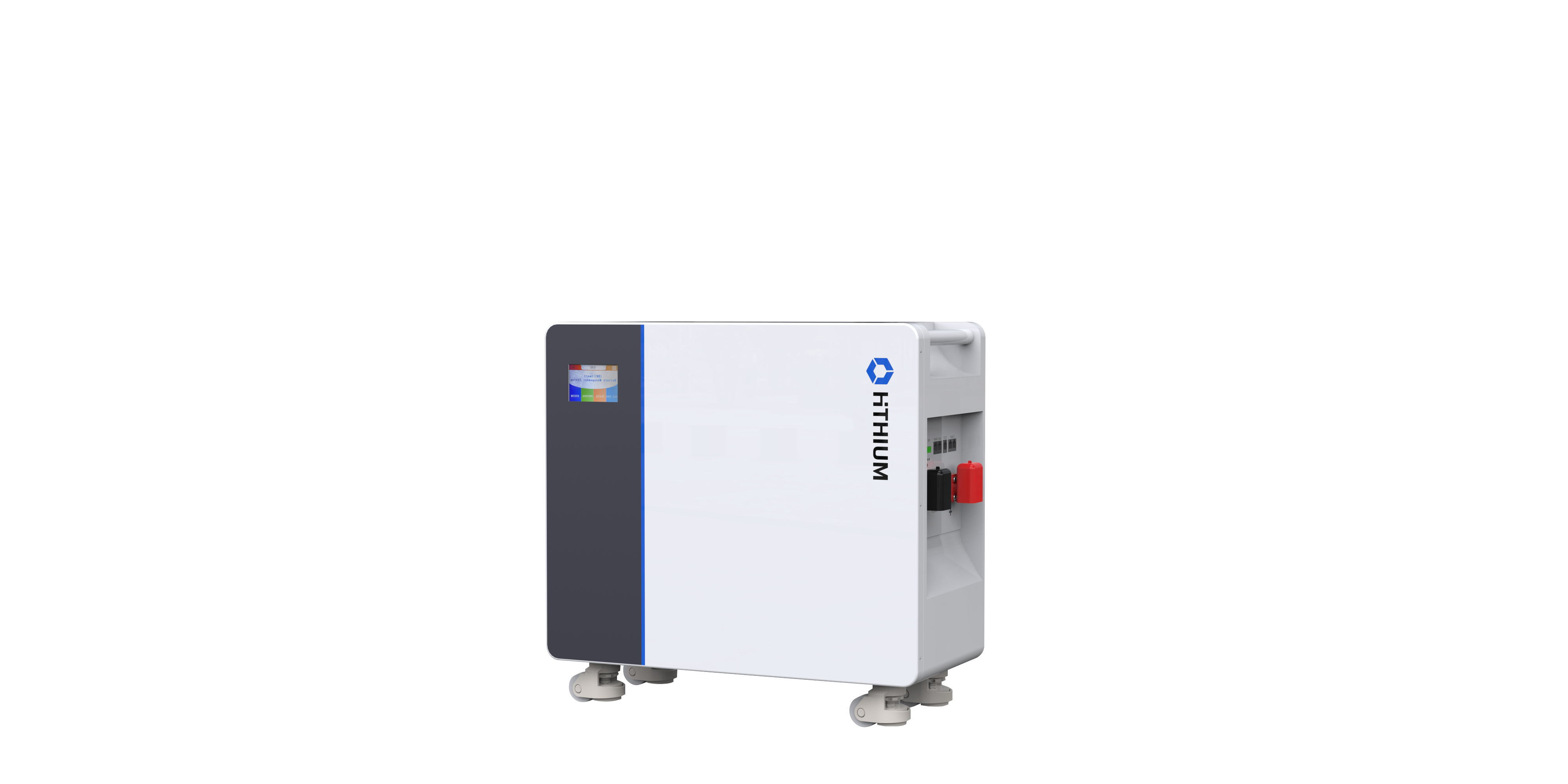
Here’s the forward-looking bit. The kits that hold up in real houses share a few design principles. First, grid-forming hybrid inverters with higher continuous surge support (2x for at least 5 seconds) keep compressors alive without drama. Second, modular LFP stacks with a BMS that measures cell-level impedance—so the SoC is not a guess—reduce surprise cut-offs. Third, smarter power converters that handle low voltage ride-through during islanding can smooth those nasty dips when the kettle and the microwave run together. Add edge computing nodes for basic load control (fan coils, water pumps), and you’re no longer reacting; you’re steering. I’ve tested a 10 kWh + 6 kW setup in Bukit Mertajam in February 2024; with a proper start-up profile for the aircon, we ran 2.5 hours through an outage while keeping two fridges and a study room AC on. No shouting, no scramble. That’s the difference—quiet stability.
What’s Next
Compare old “backup only” installs with the new wave. The old ones rely on luck and a generous SoC. The new ones use data: cycle counts, peak shaving windows, and load signatures. A strong residential energy storage system company now ships firmware that learns your evening spikes, then staggers loads so the compressor gets a clean start—no fancy dashboard needed, just steady hands and tuned setpoints. This isn’t about hype. It’s about pairing the right inverter topology with your real appliances, calibrating the BMS for 0.5C to 1C discharge, and setting rules that fit our weather and our wiring. I prefer systems with open logs and clear service notes; when things go wrong at 11 p.m., I want to see the waveform, not a spinning wheel— small detail, huge relief. And yes, plan for growth: a second 5 kWh module, a future EV charger, maybe a pool pump. Build once, upgrade clean.
Before we close, three hard metrics I use on every job: 1) Surge capacity ratio: target at least 1.8x your highest motor start, measured, not guessed. 2) Cycle life at real temperature: look for LFP cells rated above 6,000 cycles at 80% depth of discharge at 25°C; derate honestly for 35°C outdoor installs. 3) Service and firmware path: confirm remote diagnostics and log access, plus on-site response within 72 hours. You get these right, your home runs smooth, and your nights stay quiet. That’s the lesson I’ve learned across hundreds of roofs and storerooms—steady design beats big promises. For deeper specs and steady, practical options, I often point clients to HiTHIUM.