
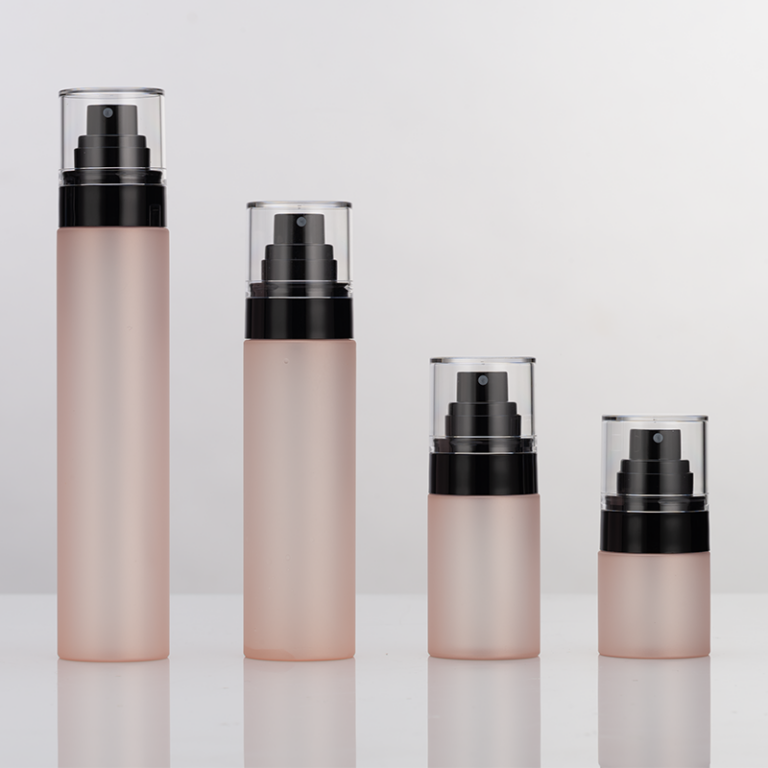
Setting the Stage: Why the Shelf Is a Battlefield
What if the quiet moment at the store shelf decides the fate of your year? A pet cosmetic bottle manufacturer sees the season turn and wonders which cap, color, or curve shifted the buyer’s hand. Picture a pet owner, scanning a row of shampoos under cool lights, guided by habit and a glance. Industry trackers often show that more than half of choices are made in that brief pause, while repeat orders echo the first pick (a small echo can last months). If the package does not fit the hand, seal well, and survive a drop, the brand loses ground. So the shelf is a stage where shape, label, and weight tell a clear story—fast.
Historical lessons remind us: design follows use, and use shapes the next mold. But data now moves that circle faster, and small flaws scale into lost loyalty. Do we know which property is in charge—grip, gloss, or closure torque—on each channel? The question matters, because the wrong test at the wrong time can misread the buyer’s signal. Let us compare what truly directs the choice, and why tiny details in PET production change the outcome. We shall then look ahead to what closes the gap between intent and result.
Hidden Pain Points in Cosmetic PET Bottles: The Technical Truth
Where do legacy fixes fall short?
When teams source cosmetic pet bottles, they often chase the obvious: color, cost, and quick lead time. Yet the pinch points sit deeper. Resin IV drift changes wall distribution in injection stretch blow molding (ISBM), which can shift the center of mass. A bottle may pass the drop test but fail in cap seal retention after a week of thermal cycling. Look, it’s simpler than you think. Many “fixes” try to patch symptoms—thicker walls or glossier masterbatch—while ignoring thread finish tolerances or torque testing limits. That is why a tidy line sample works on Monday and leaks in field use by Friday — funny how that works, right?
Shoppers sense these gaps in small ways. A cap that squeaks, a pump that rebounds late, a bottle that scuffs in transit. Legacy solutions miss how barrier properties and surface energy alter label adhesion over time. They also miss upstream variation. Hot-end cooling profiles, gate vestige control, and mold venting shape both feel and seal. If we do not track lot traceability at the cavity level, then a neat “pass” score hides defects. The lesson is plain. We must measure what drives use: torque decay, thread ovality, and dimensional stability, not only shelf shine. That shift turns feedback into clear process control.
Comparative Paths Forward: Principles and Proof
What’s Next
The next step compares not brands, but methods. New technology principles can narrow the gap between lab and life. Inline vision systems now read gate blush, neck ovality, and flash in real time. Digital twins of ISBM cycles test resin viscosity swings before steel is cut. With these tools, you can trial lightweighting without risking seal failure. Meanwhile, near-infrared sorting improves PCR PET purity and reduces acetaldehyde spikes, which protects fragrance and color retention. It is a cleaner loop, and it keeps consistency steady—small wins add up.
On the supply side, leading cosmetic pet bottle suppliers compare cavity-to-cavity data under statistical process control, not just pass/fail gates. They pair torque testing with closure compatibility maps, and they log temperature bands for each preform lot. The result is a truer picture of risk. In short, we line up today’s process against tomorrow’s need and ask: which path holds shape, seal, and shine under stress? The better path balances lightweight design with cap fit and label hold, then proves it through aging studies and transit simulation. Quiet rigor beats a loud launch. Every time.
From Insight to Action: Choosing Better With Clarity
We have seen how quick choices meet slow data on the shelf. We have also seen why old fixes hide core faults, and how modern controls reshape both feel and seal. Now, choose with care. Three evaluation metrics can guide the next buy. 1) Process fidelity: demand cavity-level SPC, torque decay curves, and mold maintenance logs, not only an ISO certificate. 2) Use-phase integrity: require drop, squeeze, and thermal cycling with closure torque windows, plus label adhesion on real line inks. 3) Sustainability with stability: verify PCR content with NIR scans and monitor acetaldehyde migration, so perfume and color cues stay true. Hold each against the same stress map—transit, shelf, and bath-time use—and the best option becomes clear. Steady method, steady result — the old rule still works. For those charting this course with a calm, technical hand, see NAVI Packaging.