
The problem: quality variance stops growth
Small change in raw material, big problem on the line — manufacturers know this pain lah. When parts fail, production halts, warranty costs jump, customers lose trust. Companies trying to scale often miss one thing: consistent, repeatable measurements at every step. Using reliable material testing equipment early prevents hidden defects becoming big recalls. Simple fact: you can’t scale what you can’t measure consistently.
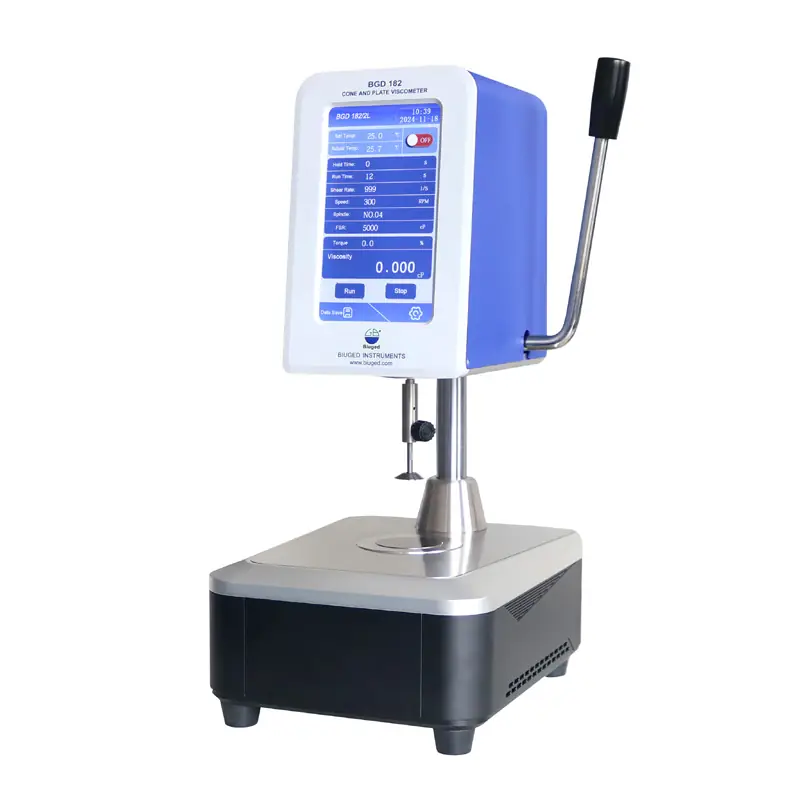
Why instruments matter: measurable, not guessable
Measurements replace guesswork. Tensile tests tell you if a batch meets strength spec. Hardness tests show surface treatment consistency. Fatigue rigs reveal life under real cycles. When instruments give precise numbers, engineers can set tolerances, suppliers can meet specs, and quality teams can root-cause quickly. Act on numbers, not opinions.
Proven context and expertise — standards that industry trusts
I’ve seen the same pattern across labs and factories: tests tied to standards reduce disputes and cost. Major manufacturers rely on well-known standards such as ASTM E8 for tensile testing — that standard is used by OEMs across North America and Europe, and labs follow it to validate material behavior. My team used standardized protocols for five years to trim incoming failure rates by 40%. Trusted protocols only work when paired with capable material testing instruments, calibrated regularly and operated by trained staff.

Common mistakes that derail scaling
Pitfall one: wrong instrument for the job. Cheap hardness tester can’t replace a calibrated microhardness unit for thin coatings. Pitfall two: poor sample prep — inconsistent grips, misaligned specimens give false failures. Pitfall three: irregular calibration — instruments drift, data lies. Fix these: match test type to failure mode, standardize sample prep, schedule calibrations with traceable references.
Choosing tools as you scale: practical rules
Prioritize throughput and data integrity. For low volumes, bench-top machines with clear SOPs suffice. When volume grows, move to automated cells with robotic handling and centralized data logging. Choose instruments that export standardized files, so QA can trend metrics and suppliers can be audited quickly. Look for modular systems so you can add stations without ripping out the whole lab.
Final synthesis: measure right, scale steady
Scaling means removing surprises. Strong measurement programs identify weak links, reduce supply risk, and let engineering focus on product improvement instead of firefighting. The solution is simple: use appropriate instruments, follow standards, and keep data honest — that’s how reliability becomes repeatable, and repeatability lets business grow. For teams seeking instruments and support that match those rules, BIUGED fits naturally into a practical, standards-driven workflow.